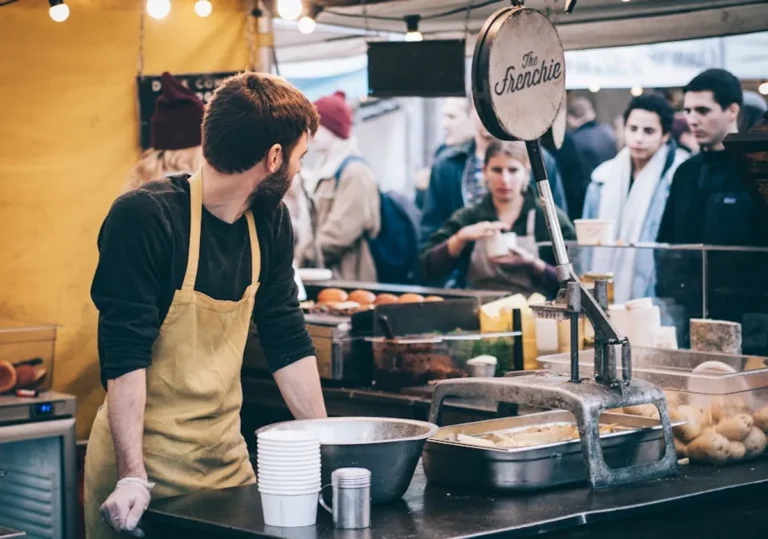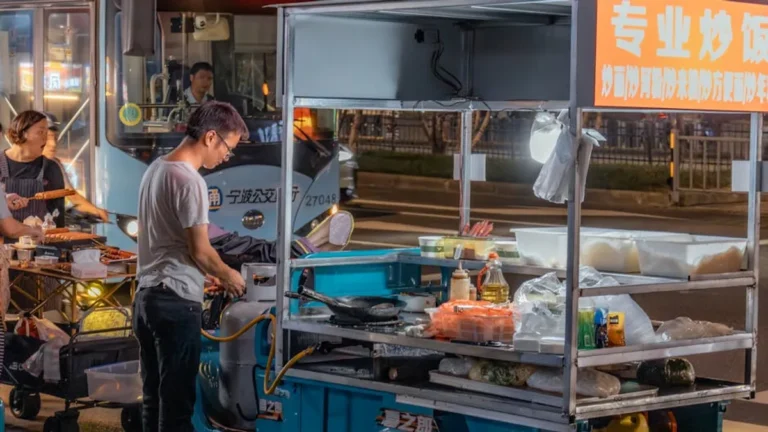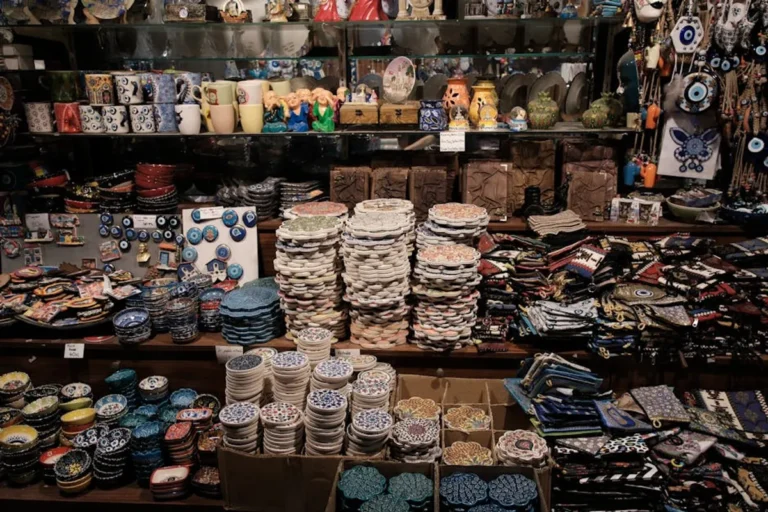

Creating a travel guide focused on local cafes, diners, and bakeries offers a distinct advantage for travelers seeking authentic experiences beyond typical tourist traps. This type of guide moves past generic recommendations, providing curated insights into the culinary heart of a destination. It serves an audience eager for genuine local flavor, supporting small businesses, and discovering unique spots that define a community's character. The decision to compile such a resource means committing to detailed research and a genuine appreciation for regional food culture, ultimately delivering a valuable tool for visitors. Creating a travel guide to local cafes, diners, and bakeries offers a distinct advantage for travelers seeking authentic experiences beyond typical tourist traps.
The Value Proposition of Hyperlocal Food Guides
A guide dedicated to cafes, diners, and bakeries distinguishes itself by focusing on establishments often overlooked by broader travel publications. These venues are typically independent, family-run, and deeply embedded in the local economy. For travelers, this translates into several key benefits:
- Authentic Flavor Profiles: Local spots often use regional ingredients and traditional recipes, offering tastes not found in chain establishments. This provides a direct connection to the area's culinary heritage.
- Community Immersion: Visiting these businesses offers a chance to interact with locals, observe daily life, and understand the cultural rhythm of a place. Diners, in particular, often serve as community hubs.
- Economic Impact: Directing travelers to local businesses ensures their spending supports the residents and entrepreneurs of the destination, fostering sustainable tourism.
- Unique Experiences: Each cafe, diner, or bakery possesses its own history, ambiance, and specialties. A well-crafted guide highlights these individual characteristics, transforming a meal into a memorable part of the travel experience.
Strategic Research and Curation for Your Guide
Developing a robust guide begins with meticulous research. This isn't just about finding places; it's about identifying establishments that genuinely contribute to the local culinary landscape and offer a compelling experience for visitors. Start by defining your geographic scope – a specific neighborhood, a city, or a broader region.
Effective Information Gathering
Begin with a multi-pronged approach to source potential entries. Online searches using specific keywords like "best local bakery [city]" or "hidden gem diner [neighborhood]" are a starting point. Supplement this with local intelligence: consult community forums, ask residents directly, and look for local food blogs or niche publications. Pay attention to establishments with consistent positive reviews that emphasize authenticity, unique offerings, or a strong community presence. Categorize your findings early: differentiate between a quick-service cafe, a sit-down diner, and a specialty bakery, as each serves a different traveler need.
Selection Criteria
Not every establishment warrants inclusion. Develop clear criteria for selection. Prioritize businesses that are independently owned, have a distinct local character, offer unique menu items, or possess a notable history. Consider factors like consistency in quality, atmosphere, and the overall experience provided. A guide gains credibility by being selective and focusing on quality over quantity.
Structuring Your Guide's Content
The utility of a travel guide hinges on its organization and the detail it provides. Each entry should offer a clear snapshot, enabling travelers to make informed decisions quickly.
Essential Entry Details
For every featured establishment, include fundamental information:
- Full Name and Address: Crucial for navigation.
- Contact Information: Phone number and website (if available).
- Operating Hours: Specify daily hours and note any seasonal variations.
- Price Range: Use a simple indicator (e.g., $, $$, $$$) to set expectations.
- Signature Items: Highlight specific dishes, pastries, or coffee drinks that are particularly popular or unique to the establishment.
- Atmosphere and Vibe: Describe the interior, seating options, and general ambiance (e.g., "cozy and rustic," "bustling retro diner," "bright and modern").
- Accessibility: Note if the venue is wheelchair-accessible or has other specific access considerations.
- Proximity to Landmarks: Mention nearby attractions or points of interest to help travelers integrate a visit into their itinerary.
Crafting Descriptive Narratives
Beyond factual data, the descriptions within your guide are what truly engage the reader and convey the essence of each spot. Move beyond generic adjectives to provide sensory and evocative language.
Engaging Storytelling
Instead of simply stating "This cafe has good coffee," elaborate on *why* it's good: "Known for its meticulously hand-poured single-origin brews, this cafe offers a rich, nuanced experience for serious coffee enthusiasts." Include snippets of history, anecdotes about the owners, or the origin of a signature dish. For a bakery, describe the aroma upon entering, the texture of the crust, or the specific technique used in their sourdough. For a diner, capture the bustling energy, the friendly banter, or the comforting familiarity of classic dishes. High-quality photography that accurately represents the food and ambiance is also critical for enticing readers.
Pro Tip: When evaluating a potential entry, consider the "local test." Would a long-time resident recommend this place to an out-of-town guest seeking an authentic experience? If the answer is consistently yes, it likely belongs in your guide. Avoid establishments that cater exclusively to tourists or lack genuine local patronage.
Dissemination and Ongoing Maintenance
Once compiled, your guide needs to reach its target audience. Consider both digital and print formats, depending on your distribution strategy. A digital PDF or dedicated web page allows for easy updates and wider reach. For print, explore partnerships with local visitor centers, hotels, or B&Bs who can distribute copies. Promote your guide through relevant travel communities, local social media groups, and collaborations with local influencers or content creators.
The culinary landscape is dynamic. Establish a system for regular updates to ensure accuracy. Businesses change hours, menus evolve, and new establishments emerge. Schedule quarterly or bi-annual reviews of all entries to confirm details, and actively seek feedback from users to identify new spots or report outdated information. A current guide maintains its credibility and utility.
Maximizing Your Local Culinary Exploration
A thoughtfully constructed travel guide to local cafes, diners, and bakeries offers more than just a list of places to eat; it provides a pathway to genuine cultural engagement. By prioritizing authenticity, supporting local businesses, and offering detailed, evocative descriptions, such a guide becomes an indispensable resource for travelers seeking to taste the true character of a destination. The commitment to deep research and regular updates ensures its lasting value, transforming casual visits into memorable culinary journeys. A thoughtfully constructed travel guide to local cafes, diners, and bakeries offers more than just a list of places to eat; it provides a pathway to genuine cultural engagement and helps you eat like a local.
Frequently Asked Questions
What is the primary benefit of using a local food guide over general restaurant reviews?
Local food guides prioritize authenticity and unique, often independent establishments, offering a curated selection that reflects the true culinary character of a place, unlike broad review sites which can be dominated by chain restaurants or tourist traps.
How can I ensure the information in my travel guide remains current?
Implement a regular review schedule, such as quarterly checks, to verify operating hours, menus, and contact details. Encourage user feedback and actively monitor local news for business changes or new openings.
Should a local food guide include price ranges?
Yes, including a simple price range indicator (e.g., $, $$, $$$) is highly beneficial. It helps travelers budget effectively and choose establishments that align with their spending preferences, enhancing the guide's practical utility.