Navigating new culinary landscapes is a highlight for many travellers, with street food often offering the most authentic and memorable local flavors. However, the spontaneity and informal settings of street food vendors also introduce unique safety considerations. Understanding these risks and implementing practical precautions is crucial for enjoying these experiences without compromising health. This guide provides actionable advice to help travellers make informed choices, ensuring their street food adventures remain positive and illness-free.
Understanding Common Street Food Risks
Street food, by its nature, often operates outside the regulated environments of traditional restaurants. This can lead to specific vulnerabilities that travellers should be aware of to mitigate potential health issues.
Contamination Sources
The primary risk with street food stems from various forms of contamination. Cross-contamination is frequent, occurring when raw ingredients come into contact with cooked food, or when utensils are not properly cleaned between uses. Unwashed hands of vendors, especially after handling money or raw produce, are another direct pathway for pathogens. Additionally, exposure to environmental factors like dust, insects, and proximity to waste can introduce harmful bacteria and viruses to food items.
Temperature Control Issues
Maintaining safe food temperatures is a critical challenge for many street food operations. Perishable items, particularly meats, dairy, and cooked grains, require consistent refrigeration below 5°C (41°F) or heating above 60°C (140°F) to inhibit bacterial growth. Street vendors often lack reliable refrigeration or heating equipment, leading to food sitting in the "danger zone" (between 5°C and 60°C) for extended periods. This allows bacteria like Salmonella, E. coli, and Staphylococcus aureus to multiply rapidly, increasing the risk of foodborne illness.
Water and Ice Concerns
The quality of water used in food preparation—for washing produce, cooking, or making ice—is a significant factor. In many regions, tap water may not be potable for travellers. Using contaminated water can introduce pathogens directly into food and beverages. Similarly, ice made from unsafe water poses a direct risk, as freezing does not kill most harmful bacteria or viruses. Even if the food itself is cooked safely, a drink with contaminated ice can lead to illness.
Pre-Trip Preparation for Safer Street Food Experiences
Proactive steps taken before departure can significantly enhance a traveller's ability to navigate street food safely and confidently.
Researching Local Food Hygiene Standards
Before arriving at a destination, invest time in understanding local food safety practices and common street food offerings. Consult official government travel advisories, reputable travel blogs, and expat forums for insights into specific regions. Some countries have visible hygiene ratings for vendors; knowing what to look for can guide choices. This research helps set realistic expectations and identifies particular foods or practices that might pose higher risks.
Packing Essential Safety Items
A small kit of personal hygiene and first-aid items can be invaluable. Pack a sufficient supply of alcohol-based hand sanitizer (at least 60% alcohol) for use when soap and water are unavailable. Consider bringing personal eating utensils if you are particularly concerned about shared or inadequately cleaned cutlery. Over-the-counter anti-diarrheal medication, oral rehydration salts, and any personal prescription medications for stomach upset are also prudent additions to a travel first-aid kit.
On-the-Ground Safety Protocols
Once at the destination, conscious observation and adherence to specific practices are key to minimizing risks.
Vendor Selection and Observation
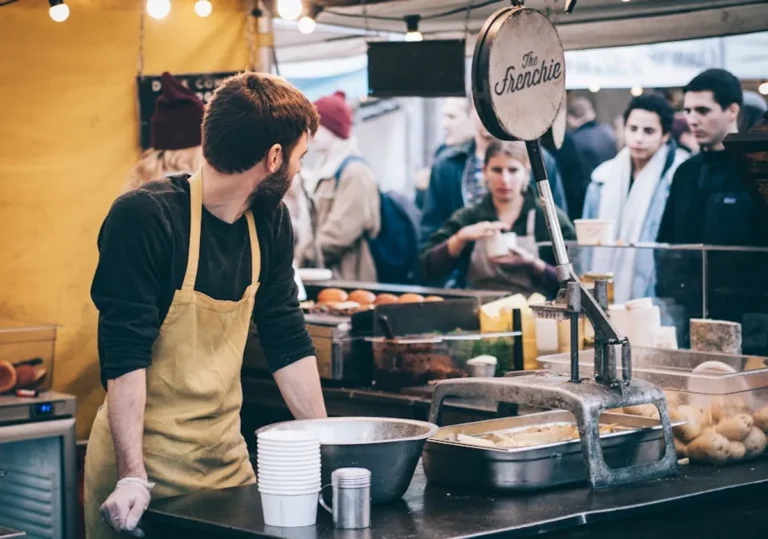
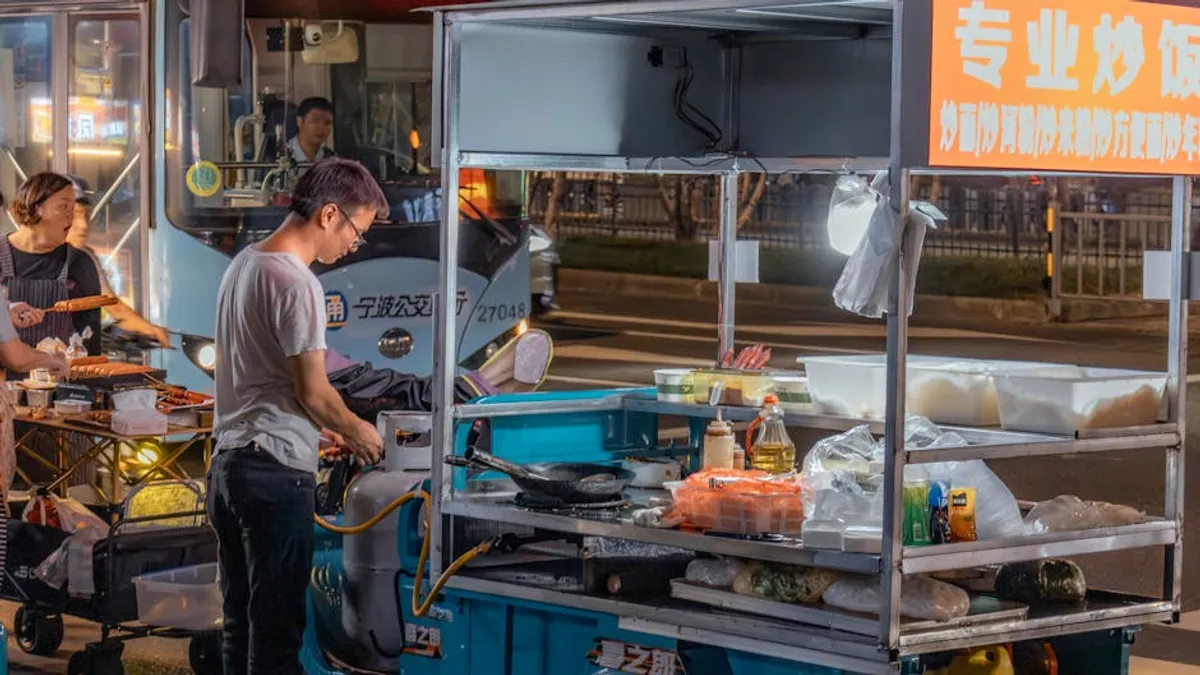
Prioritize vendors who appear busy, indicating high turnover and fresher ingredients. Observe the vendor's personal hygiene: do they wear clean clothes? Do they handle money and food with separate hands or use gloves? Assess the overall cleanliness of the stall, including surfaces, cooking equipment, and the presence of flies or pests. A clean, well-organized setup often correlates with better food handling practices. Look for visible cooking processes where food is prepared fresh in front of you, rather than items that have been sitting out.
Food Choice Best Practices
Stick to foods that are cooked thoroughly and served hot. Boiling, frying, and grilling generally kill most pathogens. Avoid raw or undercooked meats, seafood, and eggs. For fruits and vegetables, choose items you can peel yourself (e.g., bananas, oranges) or those that have been cooked. Salads or cut fruits that have been sitting out are higher risk due to potential washing with unsafe water or prolonged exposure. Avoid unpasteurized dairy products. When ordering beverages, request drinks without ice, or confirm the ice is made from purified water.
Personal Hygiene Reinforcement
Frequent hand washing with soap and water, especially before eating and after using the restroom, is the single most effective way to prevent the spread of germs. When soap and water are not accessible, use hand sanitizer. Avoid touching your face, especially your mouth, nose, and eyes, after handling money or objects that may be contaminated.
Pro Tip: When evaluating a street food vendor, pay close attention to how they handle money. Ideally, the person cooking or preparing food should not also be handling cash, or they should be wearing gloves that are changed frequently. If a vendor handles money and then immediately touches food without changing gloves or washing hands, it's a significant red flag for cross-contamination.
Navigating Dietary Restrictions and Allergies
Travellers with dietary restrictions or allergies face additional challenges with street food, where ingredient lists are rarely available. Research common local ingredients and phrases for your specific needs in the local language. Carry allergy cards translated into the local language clearly stating your restrictions (e.g., "No peanuts," "No gluten"). When ordering, politely communicate your needs and observe how the vendor responds. If there's any doubt about understanding or cross-contamination, it's safer to choose another option.
What to Do If You Get Sick
Despite precautions, foodborne illness can still occur. If symptoms like diarrhea, vomiting, fever, or abdominal cramps develop, prioritize hydration. Drink plenty of bottled water or oral rehydration solutions. Avoid solid food initially, then gradually introduce bland, easy-to-digest foods like plain rice or crackers. Consult a local doctor or your travel insurance emergency line if symptoms are severe, persist for more than 24-48 hours, or if you develop a high fever or bloody stools. Do not hesitate to seek medical attention; early intervention can prevent more serious complications.
Practical Street Food Safety Checklist
- Choose vendors with high customer turnover and visible cooking.
- Observe vendor hygiene: clean hands, separate money/food handling.
- Ensure food is cooked thoroughly and served steaming hot.
- Avoid raw or undercooked meats, seafood, and eggs.
- Select fruits you can peel yourself; avoid pre-cut options.
- Drink bottled or purified water; refuse ice unless confirmed safe.
- Wash hands or use hand sanitizer frequently.
- Carry a translated allergy card if applicable.
- Pack anti-diarrheal medication and oral rehydration salts.
Minimizing Risks While Maximizing Experience
Enjoying street food is an integral part of many travel experiences, offering unique cultural immersion and culinary delights. The goal is not to avoid street food entirely, but to approach it with an informed and cautious mindset. By understanding the common risks, preparing adequately, and implementing simple safety protocols on the ground, travellers can significantly reduce their chances of illness. This allows for a more confident exploration of local flavors, ensuring that the memories created are positive and vibrant, free from the disruption of preventable health issues.
Frequently Asked Questions
Is it always safer to eat at busy street food stalls?
Generally, yes. High customer turnover means food is prepared and consumed quickly, reducing the time perishable ingredients spend in the "danger zone" and ensuring fresher stock.
Can I trust bottled water and packaged snacks from street vendors?
Bottled water and commercially packaged snacks are generally safe, provided the seal on the water bottle is intact and the snack packaging shows no signs of tampering or damage. Check expiration dates where available.
What if I'm unsure about a vendor's hygiene but really want to try their food?
If you have significant doubts about hygiene, it's best to err on the side of caution and choose another vendor. No culinary experience is worth risking your health and travel plans.
Should I avoid street food entirely if I have a sensitive stomach?
Not necessarily. Focus on very low-risk options like whole, peelable fruits, or items that are visibly cooked to order at very high temperatures. Always carry your own hand sanitizer and any necessary medications.