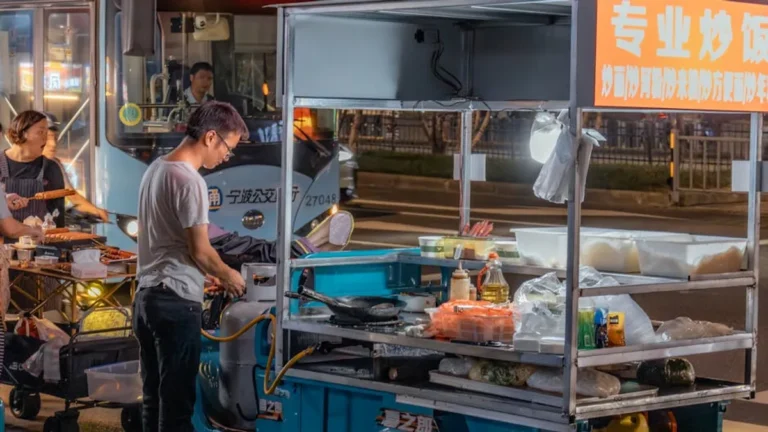
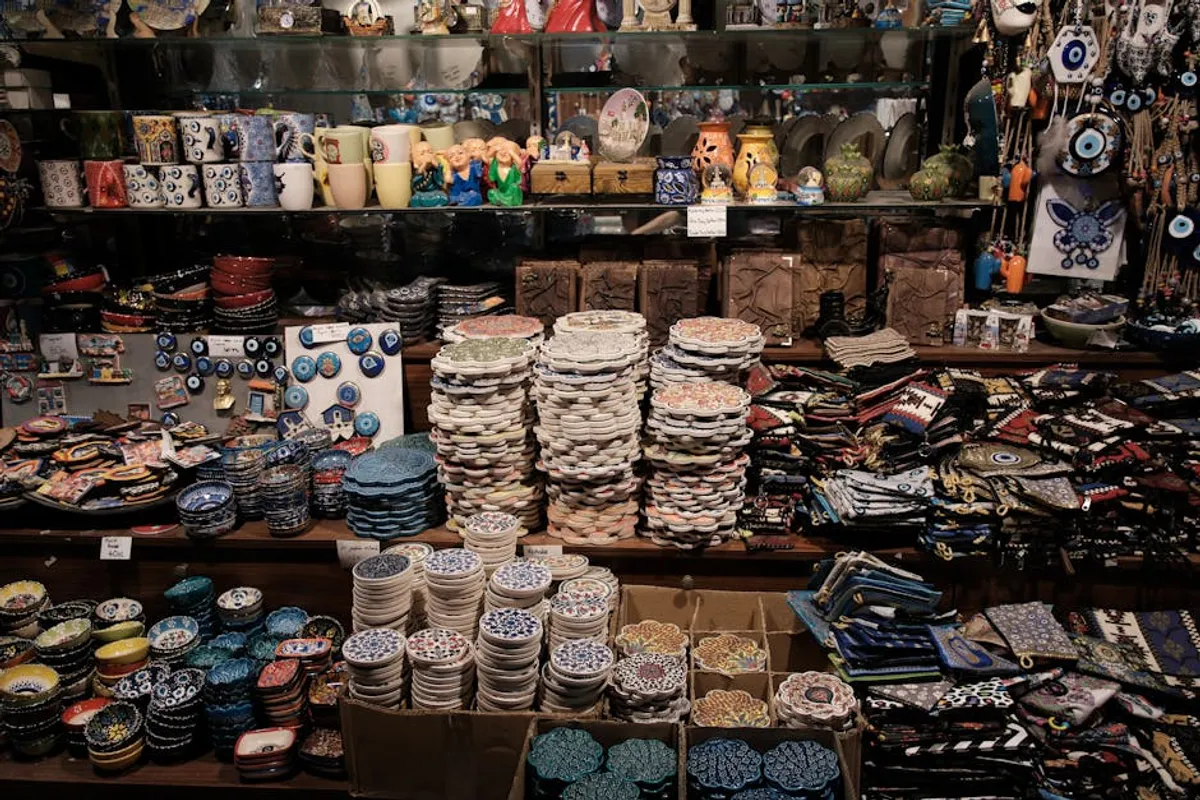
Selecting the ideal food souvenir requires balancing local authenticity with practical travel considerations. The goal is to bring home a tangible taste of a destination, something that evokes memories or shares a unique culinary experience, without encountering issues like spoilage, breakage, or customs restrictions. This guide focuses on categories of food items that consistently deliver on flavor, cultural significance, and travel feasibility, helping you make informed choices that translate into delightful post-trip enjoyment.
Key Considerations for Selecting Food Souvenirs
Before committing to a purchase, evaluate several factors to ensure your food souvenir journey is successful. Shelf stability is paramount; prioritize items that do not require refrigeration and have a long expiration date. Packaging integrity is also critical, as robust, sealed containers prevent leaks, spills, and damage during transit. Consider the weight and bulk of the item, especially if luggage space or weight limits are a concern. Researching customs regulations for your home country and any transit countries is non-negotiable, particularly for agricultural products, meat, dairy, and alcohol, as restrictions can lead to confiscation. Finally, assess the authenticity and sourcing of the product; look for items produced locally, ideally with protected designation of origin (PDO) or similar certifications, to ensure genuine regional character.
1. Artisanal Olive Oil
Artisanal olive oils, particularly extra virgin varieties from regions like Tuscany, Andalusia, or the Peloponnese, offer a direct sensory link to their origin. These oils are typically cold-pressed, retaining higher levels of polyphenols and distinct flavor profiles ranging from peppery and robust to fruity and mild. Purchasing directly from a producer or a specialty store ensures authenticity and often provides insights into the olive varietals and pressing techniques. Look for dark glass bottles or tins, which protect the oil from light degradation and are more durable for travel.
Best for: Home cooks, gourmands, and those seeking a versatile culinary staple with a strong regional identity.
Pros: Excellent shelf life, versatile in cooking, rich in antioxidants, often available in durable packaging, strong connection to regional agriculture.
Cons: Can be heavy, glass bottles are fragile, potential for leakage if not properly sealed, quality varies significantly between producers.
Verdict: A consistently rewarding souvenir, provided you select a high-quality product in secure packaging. Prioritize smaller, well-sealed tins for ease of transport.
2. Specialty Coffee Beans
Bringing home specialty coffee beans from origin countries such as Colombia, Ethiopia, or Vietnam allows for a direct appreciation of regional terroir and processing methods. Whole beans are preferable over ground coffee as they retain freshness longer and allow for grinding tailored to brewing preferences. Many specialty roasters at origin offer vacuum-sealed bags with one-way valves, preserving aroma and extending shelf life. Look for single-origin beans with specific tasting notes and roast dates.
Best for: Coffee enthusiasts, those interested in specific regional flavors, and anyone looking for an aromatic and consumable gift.
Pros: Lightweight, excellent aroma, good shelf life (especially whole beans), wide variety of flavor profiles, easy to share.
Cons: Quality can degrade quickly if not stored properly, some countries have import restrictions on unroasted beans, can be bulky if purchasing large quantities.
Verdict: An accessible and highly appreciated souvenir. Opt for freshly roasted, whole beans in airtight, valved packaging for optimal flavor retention.
3. Gourmet Chocolates
Gourmet chocolates from Belgium, Switzerland, France, or specific bean-to-bar producers globally offer a refined taste experience. These are distinct from mass-produced varieties, emphasizing high cocoa content, unique flavor infusions (e.g., lavender, sea salt, chili), and artisanal craftsmanship. Look for elegantly packaged bars, truffles, or pralines from reputable local chocolatiers. Consider tempered chocolate, which resists melting better than untempered varieties, though temperature control during travel remains a factor.
Best for: Dessert lovers, gift-giving, and experiencing a region's confectionery artistry.
Pros: Wide range of flavors and textures, often beautifully packaged, relatively lightweight, universally appealing.
Cons: Susceptible to melting in warm climates, can be fragile, higher price point for artisanal quality, limited shelf life for fresh truffles.
Verdict: A delightful treat, but requires careful temperature management during transit to prevent spoilage or aesthetic damage. Prioritize solid bars over delicate filled chocolates for travel.
4. Local Honey or Maple Syrup
Honey from specific floral sources (e.g., lavender, heather, orange blossom) or regional specialties like maple syrup from Canada or the US offers a distinct taste of a place's natural environment. These products are shelf-stable, natural sweeteners with unique flavor profiles influenced by local flora. Look for raw, unfiltered honey for maximum flavor and health benefits, or pure maple syrup with a grade indicating its flavor intensity. Packaging in sturdy glass or plastic jars is common.
Best for: Those who appreciate natural sweeteners, unique culinary ingredients, and products with a clear connection to local ecosystems.
Pros: Excellent shelf life, natural product, versatile in cooking and baking, often comes in robust packaging, distinctive regional flavors.
Cons: Glass jars can be heavy and fragile, potential for crystallization (though this doesn't affect quality), can be sticky if packaging fails.
Verdict: A reliable and flavorful souvenir. Choose well-sealed, sturdy containers and consider plastic for weight and breakage concerns.
5. Regional Spices and Spice Blends
Spices and custom spice blends from markets in Morocco, India, Mexico, or other culinary hotspots provide an authentic way to recreate regional dishes at home. These often feature fresher, more potent flavors than supermarket varieties. Look for whole spices where possible, as they retain their potency longer, or freshly ground blends packaged in airtight containers. Examples include za'atar from the Middle East, ras el hanout from North Africa, or specific chili powders from Latin America.
Best for: Adventurous cooks, those seeking to replicate travel culinary experiences, and anyone looking for potent, aromatic ingredients.
Pros: Lightweight, long shelf life (especially whole spices), highly aromatic, small footprint, allows for recreating authentic dishes.
Cons: Ground spices lose potency over time, some exotic spices might be unfamiliar to use, potential for small particles to escape packaging.
Verdict: An excellent, lightweight, and long-lasting souvenir. Prioritize airtight packaging and whole spices for maximum flavor retention.
6. Unique Jams, Preserves, or Chutneys
Jams, preserves, and chutneys made from unique local fruits, berries, or regional recipes offer a sweet or savory taste of a destination. Consider items like cloudberry jam from Scandinavia, fig preserves from the Mediterranean, or mango chutney from Southeast Asia. These products often highlight indigenous produce or traditional preparation methods. Glass jars are standard, so ensure they are securely sealed and protected for travel.
Best for: Breakfast enthusiasts, those seeking unique fruit flavors, and gifts that offer a taste of local produce.
Pros: Long shelf life (when sealed), wide variety of flavors, often uses local ingredients, relatively compact.
Cons: Glass jars are heavy and fragile, potential for leakage if seal is compromised, can be high in sugar.
Verdict: A delightful way to savor local fruit specialties. Opt for smaller, well-sealed jars and pack them carefully to prevent breakage.
7. Aged Cheeses
Hard, aged cheeses such as Parmigiano-Reggiano from Italy, aged Gouda from the Netherlands, or mature Cheddar from England can be excellent food souvenirs. Their low moisture content and robust structure make them more travel-friendly than soft, fresh cheeses. Look for vacuum-sealed portions from specialty cheese shops, as this extends their shelf life considerably and prevents odors from permeating luggage. Always check customs regulations, as some countries have strict rules on dairy imports.
Best for: Cheese connoisseurs, those who appreciate savory flavors, and a more substantial culinary souvenir.
Pros: Rich, complex flavors, good shelf stability when aged and vacuum-sealed, relatively durable, strong regional identity.
Cons: Can be heavy, requires vacuum-sealing for optimal travel, strict import restrictions in some countries, potential for strong odors.
Verdict: A sophisticated choice, but demands careful selection of aged, vacuum-sealed varieties and thorough customs research to avoid issues.
8. Cured Meats (Shelf-Stable Varieties)
Shelf-stable cured meats, such as vacuum-sealed Spanish chorizo, Italian salami, or French saucisson sec, offer a savory and authentic taste of European culinary traditions. These products undergo a curing process that removes moisture, making them safe for travel without refrigeration for extended periods. Always ensure they are commercially packaged and vacuum-sealed. Like cheese, these are often subject to strict import regulations, so verification with customs is essential.
Best for: Charcuterie lovers, those seeking savory, ready-to-eat snacks, and a robust culinary experience.
Pros: Long shelf life when vacuum-sealed, rich and complex flavors, ready to eat, strong cultural connection.
Cons: Can be heavy, very strict import restrictions in many countries (especially for pork products), potential for strong odors if packaging is compromised.
Verdict: A highly desirable souvenir for many, but critically dependent on robust, commercial vacuum-sealing and diligent adherence to international customs laws.
9. Exotic Teas
Specialty teas from regions like Darjeeling (India), Matcha (Japan), or Oolong (China) provide a nuanced beverage experience and a connection to ancient traditions. These teas are often available in loose-leaf form, which preserves flavor and aroma better than tea bags. Look for teas packaged in airtight tins or foil-lined pouches to protect against moisture and light. The variety of processing methods and flavor profiles ensures a unique discovery for any tea enthusiast.
Best for: Tea aficionados, those seeking calming or invigorating beverages, and a lightweight, aromatic souvenir.
Pros: Lightweight, long shelf life, wide range of flavors and types, often elegantly packaged, easy to transport.
Cons: Quality can degrade if not stored properly, some fine teas can be expensive, requires proper brewing equipment for full enjoyment.
Verdict: An excellent, low-risk, and highly appreciated souvenir. Prioritize loose-leaf varieties in airtight, opaque containers for best results.
10. Regional Wines or Spirits
Wine from renowned vineyards in France, Italy, or California, or spirits like Scotch whisky, Mexican tequila, or Japanese sake, can serve as sophisticated liquid souvenirs. These beverages encapsulate the agricultural and distillation heritage of a region. Purchase bottles that are well-sealed and consider specialty travel bags designed to protect glass bottles from breakage. Be acutely aware of duty-free allowances and import limits for alcohol, which vary significantly by country and can result in substantial taxes or confiscation.
Best for: Connoisseurs of alcoholic beverages, those celebrating a special trip, and gift-giving for adults.
Pros: Strong regional identity, often high-quality, can be aged further, wide variety of options.
Cons: Heavy and fragile, strict customs limits and duties, potential for breakage or leakage, not suitable for all travelers.
Verdict: A premium souvenir, but requires careful packing, awareness of weight limits, and strict adherence to alcohol import regulations to avoid issues.
11. Specialty Dried Fruits and Nuts
Dried fruits (e.g., dates from the Middle East, apricots from Turkey, mangoes from Southeast Asia) and unique nuts (e.g., pistachios from Sicily, macadamias from Hawaii) offer healthy, shelf-stable, and flavorful souvenirs. These items often showcase local agricultural bounty and traditional preservation methods. Look for commercially packaged, sealed bags to ensure freshness and prevent contamination. They are generally lightweight and easy to transport.
Best for: Health-conscious travelers, snack enthusiasts, and those seeking natural, sweet, or savory treats.
Pros: Lightweight, long shelf life, nutritious, wide variety of options, easy to transport and consume.
Cons: Can be subject to agricultural import restrictions in some countries, potential for cross-contamination if not sealed, can be high in sugar (dried fruits).
Verdict: A practical and healthy souvenir, generally easy to transport. Always check for commercial sealing and be mindful of agricultural import rules.
12. Unique Sauces and Condiments
Specialty sauces and condiments, such as authentic Italian pesto, North African harissa, high-quality balsamic glaze from Modena, or regional hot sauces, can elevate home cooking with international flavors. These items capture the essence of a cuisine in a concentrated form. Look for products in sturdy glass or plastic bottles with secure seals. Consider smaller sizes to manage weight and potential breakage.
Best for: Enthusiastic cooks, those seeking to add international flair to their meals, and gifts for foodies.
Pros: Concentrated flavor, long shelf life (when sealed), versatile in cooking, often comes in robust packaging.
Cons: Glass bottles are heavy and fragile, potential for leakage if seal is compromised, can be bulky if purchasing many items.
Verdict: A fantastic way to infuse home cooking with travel memories. Prioritize secure, leak-proof packaging and consider smaller formats for ease of transport.
13. Local Sweets and Confections
Local sweets and confections, such as Turkish delight (lokum), Italian torrone (nougat), German marzipan, or regional candies, offer a delightful taste of a destination's sugary traditions. These items are often shelf-stable and come in attractive packaging, making them ideal for sharing or personal indulgence. Look for commercially packaged items with clear ingredient lists and expiration dates. Their unique textures and flavors provide a distinct memory of the local culture.
Best for: Those with a sweet tooth, gift-giving, and experiencing traditional confectionery craftsmanship.
Pros: Often shelf-stable, wide variety of unique flavors and textures, typically lightweight, appealing packaging.
Cons: Can be high in sugar, some delicate items are fragile, quality varies widely, potential for melting in hot climates (e.g., chocolate-covered items).
Verdict: A charming and often inexpensive souvenir. Choose items with durable packaging and consider the climate during transit for heat-sensitive confections.
Making the Right Choice: Factors for Food Souvenir Selection
To finalize your food souvenir selection, synthesize the practical and experiential elements. Beyond shelf stability and customs compliance, consider the recipient's preferences if it's a gift; a coffee connoisseur will appreciate specialty beans more than a jar of jam. Evaluate the narrative potential of the item – does it have a story about its origin, production, or cultural significance? This adds value beyond taste. Finally, factor in the opportunity cost: is this a truly unique item you cannot easily find elsewhere, or is it something that can be sourced locally with minimal effort? Prioritizing uniqueness and authenticity enhances the souvenir's value as a memory and a culinary experience.
Frequently Asked Questions About Food Souvenirs
Q: How do I check customs regulations for food items?
A: Before your trip, consult the official website of your home country's customs and border protection agency. Look for sections on "prohibited and restricted items" or "bringing food into the country." Specific rules apply to meat, dairy, fresh produce, and alcohol. Researching safe food handling practices can also help when bringing items back home.
Q: What is the best way to pack fragile food souvenirs like glass bottles?
A: Wrap glass items individually in multiple layers of clothing, bubble wrap, or specialized bottle protectors. Place them in the center of your checked luggage, surrounded by soft items, to cushion against impacts. Ensure bottle caps are tightly sealed and consider placing them in a sealed plastic bag to contain any potential leaks.
Q: Can I bring fresh fruits or vegetables as souvenirs?
A: Generally, no. Most countries have strict agricultural import regulations to prevent the introduction of pests and diseases. Fresh produce is almost universally prohibited or requires specific permits. Always check official guidelines before attempting to bring fresh items.
Q: How can I ensure the authenticity of a food souvenir?
A: Purchase from reputable sources like specialty food shops, local markets directly from producers, or established gourmet stores. Look for certifications such as Protected Designation of Origin (PDO) or Protected Geographical Indication (PGI), which guarantee the product's origin and traditional production methods. Engage with sellers to learn about the product's history and sourcing.
Q: What if my food souvenir spoils during travel?
A: To minimize spoilage risk, prioritize shelf-stable items. For items with limited shelf life or those sensitive to temperature, consider insulated bags with ice packs for shorter journeys, but avoid these for long-haul flights. Always consume perishable items quickly upon arrival or discard them if there's any doubt about their freshness or safety.