
Isla Holbox, a car-free island north of Mexico's Yucatán Peninsula, offers a distinct escape for travelers prioritizing eco-tourism, wildlife observation, and relaxed Caribbean charm over bustling resort experiences. This destination suits those seeking direct engagement with nature, local culture, and aquatic activities, making it a compelling choice for specific market segments. Understanding the island's unique offerings helps in planning an itinerary that aligns with its distinct appeal, focusing on sustainable exploration and authentic encounters.
Essential Wildlife Encounters and Nature Immersion
Holbox's primary draw lies in its rich biodiversity and commitment to conservation. Engaging with the island's natural inhabitants provides the most memorable experiences, often requiring specific timing for optimal viewing.
Swimming with Whale Sharks
Best for: Seasonal marine wildlife enthusiasts and snorkelers.
From June through September, Isla Holbox becomes a prime location for swimming alongside whale sharks, the largest fish in the ocean. These gentle giants congregate near the island to feed on plankton. Organized tours depart daily during this season, providing necessary equipment and guides who ensure respectful interaction distances. Participants should book well in advance, especially for peak season dates, to secure a spot on reputable, eco-conscious tours that prioritize animal welfare and adhere to strict regulations.
Bioluminescence Tours
Best for: Nighttime nature photographers and unique sensory experiences.
After sunset, specific areas of Holbox's coastline, particularly Punta Cocos, illuminate with natural bioluminescence. Microorganisms in the water emit light when agitated, creating a glowing effect as you move through the shallows or observe from the shore. Tours typically involve kayaking or walking to these darker beaches, offering a guided experience away from artificial light pollution. The visibility of bioluminescence is highest during new moon phases when ambient light is minimal, making planning around the lunar cycle crucial for the best display.
Flamingo Watching and Birding
Best for: Birdwatchers and nature photographers seeking serene observation.
The shallow lagoons and mangrove estuaries around Holbox are critical habitats for a diverse array of birdlife, most notably the American flamingo. During certain times of the year, particularly from April to October, thousands of flamingos gather in these areas, their vibrant pink plumage creating striking visual displays. Kayak or paddleboard tours offer quiet access to these feeding grounds, minimizing disturbance to the birds. Guides can point out other species, including pelicans, herons, and egrets, enhancing the birding experience.
Island Exploration and Beach Relaxation
Beyond its wildlife, Holbox offers opportunities for tranquil beach days and exploration of its unique landscape.
Punta Cocos and Punta Mosquito
Best for: Secluded beach experiences, sunset views, and shallow water walks.
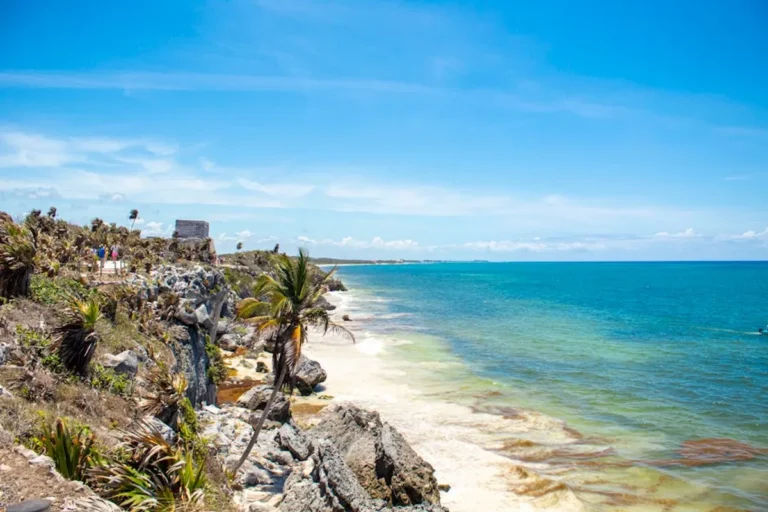
These two points on opposite ends of the island provide distinct experiences. Punta Cocos, located southwest of Holbox town, is known for its calm, shallow waters and is a prime spot for sunset viewing and bioluminescence. Punta Mosquito, accessible by a long walk through shallow sandbanks or by boat, offers pristine, undeveloped beaches and excellent opportunities for birdwatching, particularly flamingos. The walk to Punta Mosquito should only be attempted at low tide, as rising water can make the return journey challenging. Both areas are car-free and require walking, cycling, or golf cart taxi access.
Kayaking and Paddleboarding Through Mangroves
Best for: Active exploration and close-up views of the ecosystem.
The intricate network of mangroves surrounding Holbox is a vital ecosystem and a peaceful environment for exploration. Renting a kayak or paddleboard allows for independent navigation through these channels, offering a different perspective on the island's natural beauty and an opportunity to spot smaller wildlife like crocodiles (from a safe distance), iguanas, and various bird species. Guided tours are also available, providing ecological insights and ensuring safe passage through the labyrinthine waterways.
Pro Tip: When planning any water-based activity in Holbox, especially those involving wildlife, always choose operators certified in sustainable tourism. Inquire about their practices regarding waste management, group sizes, and adherence to wildlife interaction guidelines. This helps preserve the delicate ecosystem that makes Holbox such a unique destination.
Cultural Immersion and Local Flavors
Holbox town itself provides a vibrant, laid-back atmosphere with local charm.
Exploring Holbox Town
Best for: Experiencing local life, dining, and souvenir shopping.
The island's main town is characterized by unpaved sandy streets, colorful murals, and a relaxed pace. Golf carts serve as the primary mode of transport. Visitors can explore local artisan shops, browse street art, and enjoy the casual atmosphere of the central square. The town offers a variety of dining options, from street food stalls serving fresh ceviche and tacos to more upscale restaurants specializing in seafood.
Culinary Experiences
Best for: Seafood lovers and those seeking authentic Mexican flavors.
Holbox's culinary scene revolves around fresh seafood, with lobster pizza being a local specialty. Numerous restaurants offer daily catches, prepared in traditional Mexican styles or with international influences. Exploring the smaller, family-run eateries can provide a more authentic taste of the island's flavors. Cooking classes are also available for those interested in learning to prepare regional dishes.
- Essential Holbox Packing List:
- Biodegradable sunscreen and insect repellent
- Reusable water bottle
- Wide-brimmed hat and sunglasses
- Lightweight, quick-drying clothing
- Water shoes or sandals
- Snorkel gear (optional, often provided on tours)
- Cash (pesos) for smaller vendors and tips
- Portable power bank for electronics
- First-aid kit with basic medications
Planning Your Holbox Journey
Holbox is accessible by ferry from Chiquilá, a small port town roughly two hours from Cancún. The island's car-free policy means golf carts, bicycles, and walking are the primary modes of transportation once you arrive. Accommodations range from boutique hotels to rustic bungalows, catering to different budget and comfort levels. Booking transportation and lodging in advance, especially during peak travel seasons, is advisable to ensure availability and smoother logistics.
Frequently Asked Questions
What is the best time of year to visit Isla Holbox?
The dry season, from November to May, offers pleasant weather with less humidity and rain. For whale shark swimming, the season runs from June to September, which coincides with the wetter, hotter months.
Are there ATMs on Isla Holbox?
Yes, there are a few ATMs, but they can sometimes run out of cash or be out of service. It's recommended to bring sufficient cash (Mexican Pesos) from the mainland or a larger city to cover expenses, especially for smaller vendors and emergencies.
Can I drive my car to Isla Holbox?
No, Isla Holbox is a car-free island. Visitors must leave their vehicles in secure parking lots in Chiquilá and take the ferry to the island. Transportation on Holbox is primarily by golf cart taxi, bicycle, or on foot.
Is Isla Holbox safe for tourists?
Isla Holbox is generally considered a very safe destination for tourists. However, standard travel precautions apply, such as being aware of your surroundings, securing valuables, and avoiding walking alone in unlit areas at night.