Tulum, Mexico, offers a distinct blend of ancient Mayan heritage, Caribbean coastline, and natural ecological wonders. For travelers evaluating a visit, understanding the specific activities available is key to optimizing an itinerary. This guide focuses on actionable points of interest, detailing their unique value propositions for different traveler profiles, from history enthusiasts to nature seekers and those prioritizing relaxation or culinary exploration.
Delving into Ancient History: The Tulum Ruins
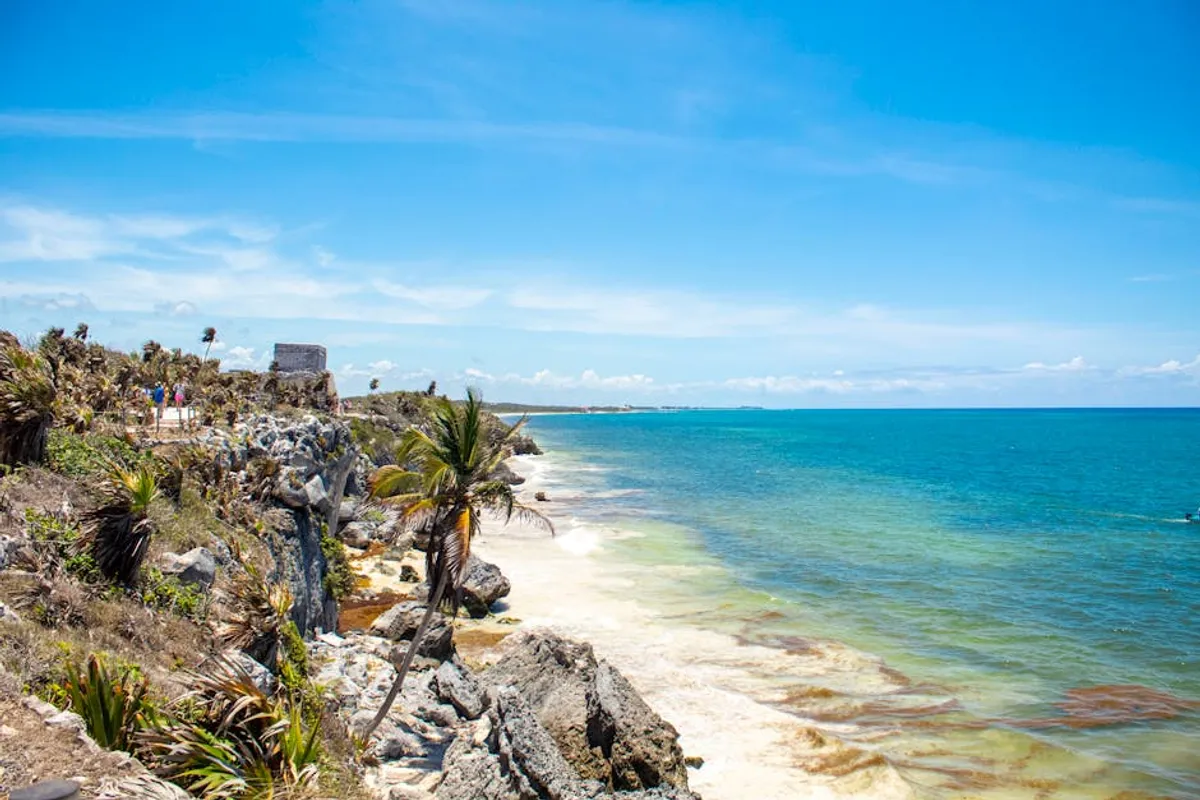
The Tulum Archaeological Zone stands as the region's most iconic historical site, uniquely positioned atop a cliff overlooking the Caribbean Sea. Unlike larger Mayan cities like Chichen Itza, Tulum was a fortified port city, making its architecture and strategic location particularly compelling. Visitors can explore structures such as El Castillo, the Temple of the Frescoes, and the Temple of the Descending God, gaining insight into Mayan astronomy and maritime trade. The site is compact enough for a thorough visit within 2-3 hours.
Best for: History buffs, photographers, those seeking accessible ancient sites with scenic backdrops.
Cobá Archaeological Zone
Located approximately an hour inland from Tulum, Cobá offers a contrasting Mayan experience. This sprawling site features the tallest pyramid on the Yucatán Peninsula, Nohoch Mul, which visitors were historically permitted to climb for panoramic jungle views (check current regulations as access can change). Cobá's less excavated nature means much of the site is still enveloped by dense jungle, providing a more immersive, adventurous feel. Bicycles are available for rent at the entrance, recommended for navigating the extensive pathways between structures.
Best for: Adventurous travelers, those interested in larger, less-restored archaeological sites, active exploration.
Natural Wonders: Cenotes and Lagoons
The Yucatán Peninsula is characterized by its extensive network of cenotes – natural sinkholes formed by collapsed limestone bedrock, revealing crystal-clear freshwater pools. Tulum's vicinity boasts numerous accessible cenotes, each offering a distinct experience.
- Gran Cenote: Known for its clear waters, stalactite formations, and open-air sections ideal for swimming and snorkeling. Turtles are frequently observed here.
- Dos Ojos Cenote: A popular choice for cave diving and snorkeling, featuring two interconnected caverns with impressive underwater visibility. Guided tours are available for divers.
- Cenote Calavera: Often called the "Temple of Doom," this cenote offers a more rustic experience with three primary holes to jump or descend into. It's favored by divers for its unique light effects and geological formations.
Further inland, Laguna de Kaan Luum provides a unique natural spectacle. This large lagoon features a deep, circular cenote in its center, marked by a distinct change in water color from turquoise to deep blue. The shallow perimeter is ideal for swimming and paddleboarding, while access to the central cenote is restricted to divers with permits.
Best for: Swimmers, snorkelers, divers, nature photographers, families seeking unique aquatic experiences.
Pro Tip: When visiting cenotes, always use biodegradable sunscreen and insect repellent. Chemical-based products can harm the delicate ecosystems. Many cenotes enforce this rule, and some may require you to rinse off before entering the water.
Coastal Relaxation and Recreation
Tulum's coastline is defined by its white sand beaches and turquoise Caribbean waters. The beach zone stretches for several kilometers, offering a mix of public access points and private beach clubs.
- Playa Paraíso: Often cited as one of Mexico's most beautiful beaches, offering ample space for relaxation, swimming, and sunbathing. Public access is readily available.
- Beach Clubs: Numerous establishments along the beach road offer amenities like lounge chairs, food and beverage service, and often live music or DJ sets. Examples include Papaya Playa Project and Ziggy Beach Club. Minimum spend requirements are common.
For ecological exploration, the Sian Ka'an Biosphere Reserve, a UNESCO World Heritage site, is located just south of Tulum. This vast protected area encompasses tropical forests, mangroves, and marine ecosystems. Guided tours offer opportunities for birdwatching, kayaking through ancient Mayan canals, and observing diverse wildlife, including manatees and crocodiles.
Best for: Beach lovers, eco-tourists, those seeking relaxation or upscale beach experiences.
Culinary Journey: From Street Food to Fine Dining
Tulum's culinary scene has evolved to offer a diverse range of options, from authentic Yucatecan street food to high-end international dining. The town center (Tulum Pueblo) is the hub for local eateries, offering tacos, cochinita pibil, and marquesitas at accessible prices. Along the beach road, restaurants lean towards international fusion, fresh seafood, and plant-based menus, often in aesthetically designed, open-air settings.
Best for: Food enthusiasts, those seeking both local flavors and sophisticated dining experiences.
Wellness and Artistic Pursuits
Tulum has established itself as a global hub for wellness, particularly yoga and spiritual retreats. Numerous studios and centers offer daily classes, workshops, and multi-day retreats focusing on various yoga styles, meditation, and holistic healing. The town also features a burgeoning art scene, with galleries and boutiques showcasing local and international artists. Exploring the main streets of Tulum Pueblo reveals artisan shops selling textiles, ceramics, and jewelry.
Best for: Wellness travelers, art collectors, those seeking spiritual or creative enrichment.
Crafting Your Tulum Itinerary
Optimizing a Tulum visit requires balancing its diverse offerings. Prioritize activities based on individual interests:
- Allocate dedicated time for archaeological sites in the cooler morning hours to avoid crowds and heat.
- Integrate cenote visits as a refreshing midday activity.
- Reserve afternoons for beach relaxation or exploring the Sian Ka'an Biosphere Reserve.
- Evenings are best for culinary exploration and experiencing Tulum's nightlife or wellness offerings.
Consider transportation options carefully; renting a car offers flexibility, while taxis and colectivos (shared vans) are common for shorter distances. Bicycles are popular for navigating the beach road and parts of Tulum Pueblo.
Frequently Asked Questions
Is Tulum an expensive destination?
Tulum can range from moderately priced to very expensive, depending on your choices. Accommodation, dining, and activities along the beach road tend to be significantly pricier than options found in Tulum Pueblo. Budget travelers can find affordable hostels and local eateries in town, while luxury resorts and high-end restaurants cater to a premium market.
How many days are ideal for a Tulum trip?
A typical visit to Tulum ranges from 3 to 5 days to adequately experience its key attractions, including the ruins, a few cenotes, beach time, and culinary exploration. Longer stays allow for deeper dives into wellness activities, day trips to Cobá or Sian Ka'an, or simply more relaxation.
What is the best way to get around Tulum?
Within Tulum Pueblo, walking or cycling is convenient. For travel between the town and the beach zone, taxis are readily available but can be expensive. Renting a bicycle is a popular and eco-friendly option for the beach road. For longer excursions to cenotes or archaeological sites outside the immediate area, renting a car or using colectivos is recommended.
Is Tulum safe for tourists?
Tulum is generally safe for tourists, though standard travel precautions apply. Petty crime, such as theft, can occur, particularly in crowded areas or at night. It's advisable to be aware of your surroundings, avoid walking alone in poorly lit areas after dark, and keep valuables secure. Local authorities maintain a visible presence in tourist areas.