Travel offers more than just new sights; it presents a direct pathway into a culture through its cuisine. Eating like a local transcends simply avoiding tourist traps; it involves a deliberate approach to discovery, engagement, and understanding the culinary landscape of a destination. This guide outlines actionable strategies for travelers aiming to move beyond generic menus and instead savor the authentic flavors that define a region, ensuring a richer, more immersive experience.
Pre-Trip Culinary Intelligence Gathering
Effective local eating begins before departure. While spontaneous discovery has its place, targeted research significantly increases the likelihood of authentic encounters. This phase focuses on leveraging digital resources and local insights to build a preliminary gastronomic map.
Leveraging Digital Resources for Local Insights
Start by exploring less commercialized online spaces. Instead of relying solely on broad travel review sites, seek out niche food blogs written by residents, local forums, or community-driven social media groups. These platforms often highlight establishments known for their authenticity, traditional dishes, and local patronage, which are frequently overlooked by mainstream guides.
- Local Food Blogs: Search for "[city name] food blog" or "[region] traditional dishes" to find voices deeply embedded in the local scene. These often provide context, history, and specific recommendations for dishes and venues.
- Social Media Groups: Platforms like Facebook or Reddit host groups dedicated to local food scenes. Engaging with these communities can yield direct recommendations, often with details about specific dishes or times to visit.
- Mapping Tools: Use Google Maps or similar services to identify areas dense with smaller, non-chain eateries. Look for higher concentrations of reviews in the local language, which often indicates local appeal.
Understanding Local Food Vocabulary and Etiquette
Familiarizing yourself with key food terms and basic dining etiquette can enhance your experience and demonstrate respect. Learn the names of staple ingredients, popular dishes, and common phrases for ordering, asking for recommendations, or expressing dietary needs. A simple "thank you" in the local language, coupled with an attempt to pronounce dish names correctly, can open doors to warmer interactions.
On-the-Ground Discovery and Engagement
Once at your destination, transition from digital research to active observation and direct interaction. The most authentic culinary experiences often reveal themselves through immersion in daily local life.
Observe Local Patterns and Preferences
Pay attention to where locals eat, especially during peak meal times. Long queues, bustling markets, or establishments with predominantly local clientele are strong indicators of quality and authenticity. Avoid restaurants with aggressive street hawkers, multi-language menus featuring generic international cuisine, or prominent "tourist menu" signs, as these often cater to a different demographic.
Engage with Locals for Recommendations
Service staff, taxi drivers, hotel receptionists, or shopkeepers can be invaluable sources of information. Ask them where *they* eat, not just where they recommend for tourists. Frame your questions specifically: "Where do you go for the best [local dish]?" or "Which market stall has the freshest [local ingredient]?" This direct approach often uncovers hidden gems.
Pro Tip: When seeking recommendations, specify your budget and desired experience. For instance, "I'm looking for a casual, inexpensive place for traditional breakfast" will yield more targeted suggestions than a generic "Where should I eat?" Be open to suggestions that might not fit typical tourist expectations.
Navigating Markets and Street Food
Local markets and street food stalls are often the heart of a region's culinary identity, offering fresh, seasonal ingredients and immediate access to traditional preparations.
Selecting Safe and Authentic Street Food
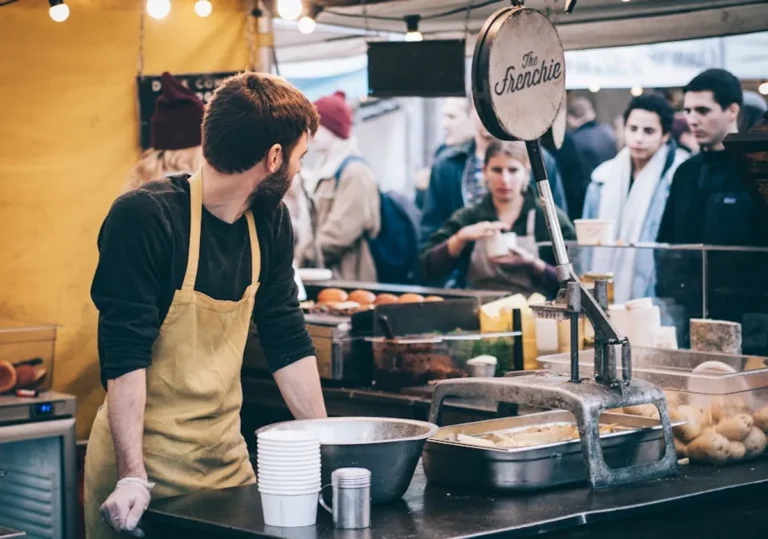
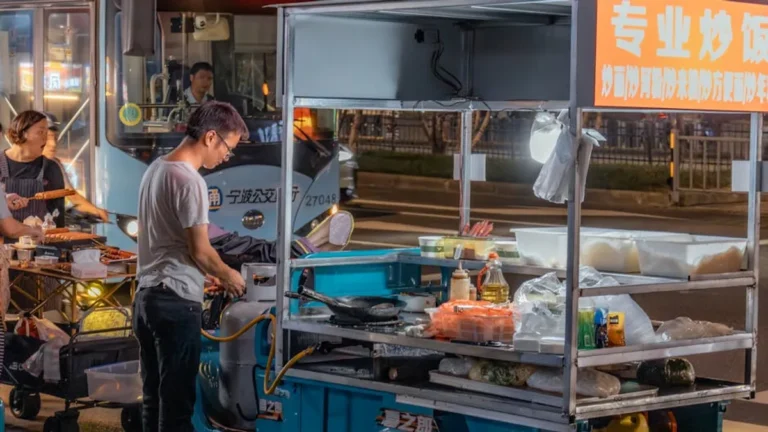
Prioritize stalls with high turnover, indicating fresh ingredients and popular dishes. Observe hygiene practices: look for vendors who handle food with gloves, use clean utensils, and cook food to order. A busy stall with a visible cooking process is generally a safer bet than one with pre-prepared food sitting out for extended periods. Start with smaller portions to sample a variety of dishes and gauge your tolerance.
Exploring Local Markets
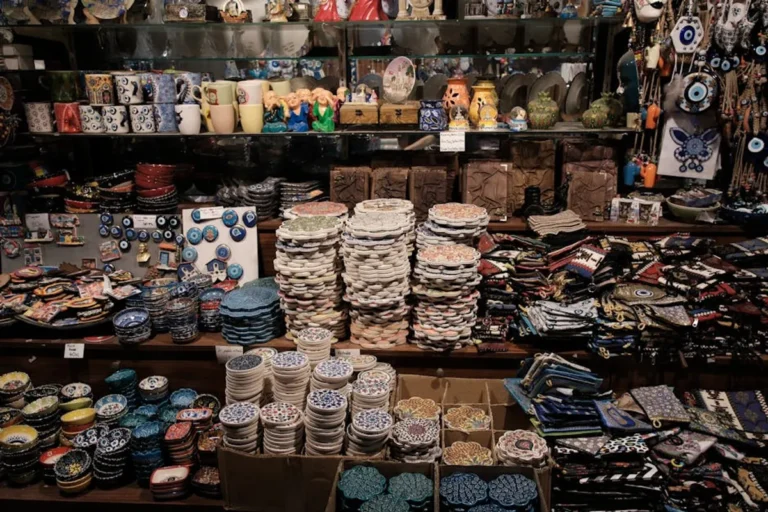
Beyond prepared food, markets provide insight into the raw ingredients that form the basis of local cuisine. Wander through produce, meat, and spice sections. This offers a visual and aromatic education on regional staples and seasonal availability. Don't hesitate to ask vendors about unfamiliar items; many are eager to share knowledge about their products.
Embracing Culinary Immersion
True local eating extends beyond simply consuming food; it involves participating in the culinary culture.
Participate in Cooking Classes or Food Tours
A hands-on cooking class offers direct instruction in preparing traditional dishes, providing a deeper understanding of ingredients, techniques, and cultural significance. Similarly, specialized food tours, especially those led by local guides, can introduce you to hidden eateries, market vendors, and culinary traditions you might otherwise miss.
Dine at Local Homes or Small Family Establishments
Seek out opportunities for home-cooked meals, whether through organized programs, local invitations, or small, family-run restaurants that feel like dining in someone's home. These experiences often provide the most authentic flavors and personal insights into local life and hospitality.
Integrating Local Flavors into Your Journey
Eating like a local transforms a trip from a series of attractions into a continuous cultural exploration. It requires curiosity, respect, and a willingness to step outside comfort zones. Each meal becomes an opportunity for discovery, connection, and a deeper appreciation of the destination.
Frequently Asked Questions
How can I find authentic local restaurants if I don't speak the language?
Look for visual cues: busy establishments with local patrons, handwritten menus (often a good sign), and food displays that clearly show what's being served. Use translation apps for specific dish names or to ask basic questions. Pointing to dishes other diners are enjoying is also effective.
Is street food always safe to eat?
Not always, but many street food vendors maintain high standards. Prioritize stalls with a constant flow of customers, visible cooking processes, and vendors who appear to handle food hygienically. Avoid anything that looks like it's been sitting out uncovered for a long time or isn't cooked to order.
What if I have dietary restrictions?
Research common phrases for your restrictions (e.g., "no meat," "no dairy," "gluten-free") in the local language before your trip. Carry a small card with these phrases written out. Larger restaurants may be more accommodating, but smaller local eateries might have limited options or understanding.
Should I tip in local restaurants?
Tipping customs vary significantly by country. Research the local norms for tipping in restaurants and cafes. In some cultures, a service charge is already included, while in others, a small gratuity is expected or appreciated for good service.