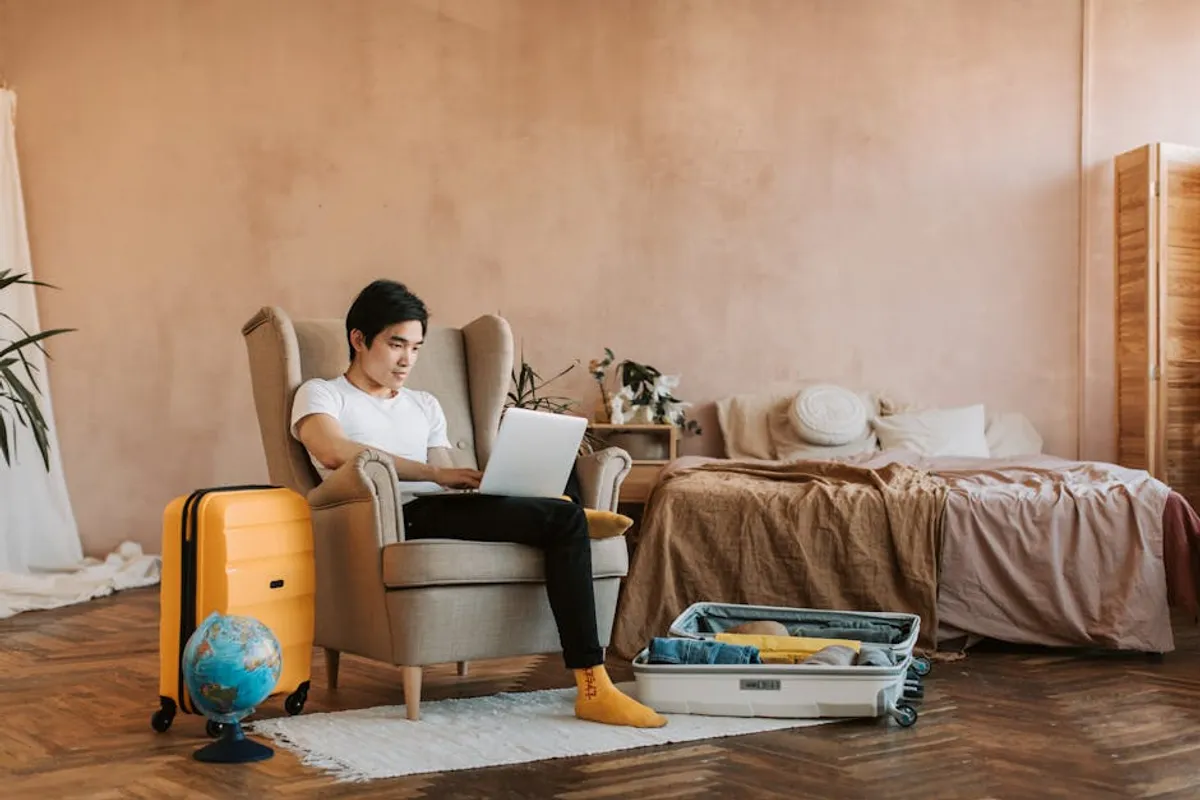
Traveling as a food or lifestyle blogger extends beyond packing personal essentials; it demands a specialized kit tailored for content creation on the go. Unlike a standard vacation, every trip is a production, requiring specific camera equipment, styling props, and connectivity solutions to capture high-quality visuals and maintain a consistent publishing schedule. The challenge lies in balancing comprehensive gear with portability and ensuring everything arrives safely and functions reliably in diverse environments. This guide outlines the critical components for a successful packing strategy, enabling bloggers to focus on creating compelling content rather than troubleshooting missing or damaged equipment. This specialized kit tailored for content creation will help you capture stunning visuals and share your experiences effectively.
Essential Camera Gear for Content Capture
The foundation of any food or lifestyle blog is visual appeal. Prioritizing robust, versatile camera equipment ensures high-resolution imagery and video, crucial for engaging audiences and maintaining professional standards.
Primary Camera Body and Lenses
Selecting a primary camera body depends on your content focus. Mirrorless cameras offer a balance of portability and image quality, often preferred for their lighter weight and advanced video features. DSLRs provide durability and a wide range of lens options, suitable for those prioritizing still photography in varied conditions. For lenses, a versatile zoom (e.g., 24-70mm f/2.8) covers a broad range of shots, from wide-angle landscapes to tighter portraits. For food bloggers, a macro lens (e.g., 100mm f/2.8) is indispensable for capturing intricate details, while a fast prime lens (e.g., 50mm f/1.8) excels in low light and produces creamy bokeh for subject isolation. Consider weather-sealed options if travel often involves unpredictable climates.
Tripods and Stabilizers
Stability is paramount for sharp images and smooth video. A compact, lightweight travel tripod provides a steady base for food flat lays, self-portraits, or time-lapses. Models with adjustable legs and a reversible center column offer flexibility for low-angle shots. For video, a gimbal or handheld stabilizer significantly reduces shake, producing professional-grade footage, especially when walking or panning. Gorillapods or flexible mini-tripods are useful for mounting cameras in unconventional spots or for quick, impromptu shots.
Lighting Solutions
Reliance on available light is often impractical for consistent content. A portable LED panel offers adjustable brightness and color temperature, critical for illuminating food dishes or faces in challenging lighting conditions. Small diffusers or reflectors can soften harsh light or bounce light into shadows, enhancing visual quality without adding significant bulk. Rechargeable batteries for these units are essential.
Audio Recording
For vlogs, interviews, or voiceovers, clear audio elevates content quality. A lavalier microphone (lapel mic) connects directly to your camera or phone, capturing crisp dialogue. For ambient sound or broader audio capture, a compact shotgun microphone mounted on your camera hot shoe improves directional sound pickup and reduces background noise. Always pack extra batteries for audio equipment.
Power and Storage
Content creation consumes power and storage rapidly. Pack at least three spare camera batteries and a dual charger. Multiple high-speed SD cards (e.g., 64GB or 128GB U3/V30) ensure you don't run out of space during a shoot. A portable power bank capable of charging phones, tablets, and even some smaller cameras is crucial. For data backup, a rugged external SSD (Solid State Drive) offers fast transfer speeds and durability against travel bumps.
Food-Specific Packing Considerations
Food bloggers face unique challenges, requiring items to style and present culinary creations appealingly, often in unfamiliar settings.
Culinary Props and Styling Tools
Small, lightweight props elevate food photography. Consider packing a selection of small, neutral-colored plates, a few pieces of elegant cutlery, and linen napkins. Rollable vinyl backdrops that mimic wood, marble, or concrete provide versatile surfaces without the weight of actual materials. A small spray bottle for misting food, tweezers for precise placement, and a clean, lint-free cloth are invaluable for styling.
Ingredient Transport
While sourcing local ingredients is part of the experience, specific spices, oils, or unique non-perishable items might be essential for a planned recipe. Use small, leak-proof travel containers for liquids and airtight tins for spices. Always check airline regulations for liquids and food items, especially when crossing international borders.
Cleaning Supplies
Food shoots can be messy. Pack a small kit with wet wipes, a few microfiber towels, and a travel-sized stain remover for quick clean-ups of spills on props or clothing.
Lifestyle Blogging Essentials
Lifestyle bloggers often feature themselves and their surroundings, necessitating items for personal presentation and environmental enhancement.
Wardrobe and Styling
Plan specific outfits for planned shoots, ensuring they complement the location and theme. Pack versatile accessories like scarves, jewelry, and hats that can transform an outfit. A travel-sized steamer or wrinkle-release spray keeps clothing looking fresh and professional for on-camera appearances.
Personal Care for On-Camera Presence
Travel-sized makeup, hair products, and skincare essentials are critical for maintaining a polished appearance. Consider products with SPF for outdoor shoots and those that perform well in varying climates. A compact mirror and small brush are useful for quick touch-ups.
Props for Ambiance
Small, lightweight props can enhance the narrative of lifestyle content. A stylish journal, a favorite book, or a unique piece of jewelry can add personality and context to photos and videos. Choose items that are easily packable and reflective of your brand aesthetic.
Tech and Connectivity for On-the-Go Workflow
Maintaining an active online presence requires reliable technology and constant connectivity, regardless of location.
Laptop and Editing Software
A lightweight, powerful laptop is essential for photo and video editing, writing, and administrative tasks. Ensure all necessary software (e.g., Adobe Lightroom, Premiere Pro) is installed, updated, and licensed for offline use if internet access is intermittent. Consider cloud-based alternatives for tasks that require less processing power.
Portable Wi-Fi Hotspot
Public Wi-Fi can be unreliable or insecure. A portable Wi-Fi hotspot with a local SIM card or an international data plan provides consistent, secure internet access for uploads, emails, and research. This is invaluable for meeting publishing deadlines.
Adapters and Converters
Universal travel adapters with multiple USB ports are non-negotiable for international travel. Research the plug types and voltage requirements of your destination to ensure all electronics can be charged safely and efficiently.
Data Backup Solutions
Beyond external SSDs, utilize cloud storage services (e.g., Google Drive, Dropbox, Adobe Creative Cloud) for real-time backup of critical files. This mitigates the risk of data loss due to theft, damage, or accidental deletion, especially for content that cannot be re-shot.
Organizational Strategies and Safety
Protecting valuable gear and maintaining order throughout a trip streamlines the content creation process.
Packing Cubes and Organizers
Utilize packing cubes for clothing and separate pouches or cases for smaller tech accessories, cables, and styling props. This keeps items organized, easy to find, and prevents damage from shifting during transit.
Secure Bags and Cases
Invest in a high-quality camera backpack with padded, customizable compartments for gear. Choose bags that are water-resistant and feature anti-theft measures like lockable zippers. A durable, hardshell case might be necessary for checked fragile items, but always aim to carry on essential camera bodies and lenses.
Insurance and Documentation
Pro Tip: Before any trip, verify your gear insurance coverage for theft or damage, especially when traveling internationally. Keep digital and physical copies of your passport, visas, travel insurance, and gear serial numbers separate from the originals. This expedites replacement or claims processes if issues arise.
Optimizing Your Travel Kit for Content Creation
A well-curated travel kit is a dynamic asset. Regularly assess your gear after each trip, noting what was used frequently, what was unnecessary weight, and what was missing. Prioritize multi-functional items and consider renting specialized equipment for specific projects to avoid purchasing and transporting rarely used gear. Test all electronics and charge all batteries before departure to prevent on-location surprises. Creating a master packing list and checking it off systematically ensures no critical item is overlooked, allowing you to focus on the creative aspects of your journey.
Frequently Asked Questions
What is the most critical item for a food blogger to pack?
Beyond the camera, a versatile macro lens is paramount for capturing the intricate details and textures that make food photography compelling.
How can I protect my camera gear during transit?
Use a dedicated, padded camera backpack with customizable compartments for carry-on items. For checked luggage, consider a hardshell case with dense foam inserts, and always insure your valuable equipment.
What are essential connectivity tools for travel blogging?
A portable Wi-Fi hotspot with a local SIM or international data plan, along with universal travel adapters, are crucial for staying connected and powering devices globally.
Should I bring all my styling props, or buy them locally?
Pack small, lightweight, and versatile props that are essential to your brand aesthetic. For larger or location-specific items, consider sourcing them locally to reduce luggage weight and immerse yourself in the destination's culture.