For food and lifestyle blogs, visual content serves as the primary engagement driver, directly influencing audience retention, shareability, and ultimately, monetization. Stock photography offers a generic placeholder, but authentic travel photography provides unique narratives that resonate deeply with readers seeking genuine experiences. Capturing the essence of a destination through its cuisine and culture demands specific photographic considerations, moving beyond basic snapshots to create commercially valuable imagery that builds brand identity and authority.
Mastering Light and Composition for Impact
Effective travel photography for these niches hinges on understanding and manipulating light, alongside strategic composition. These elements transform a simple record into a compelling visual story.
Harnessing Natural Light
Natural light is paramount for authenticity and avoiding harsh, artificial shadows. Prioritize shooting during the "golden hour" – the period shortly after sunrise and before sunset. This light source offers warm, soft tones that are ideal for food close-ups, highlighting textures and colors, and creating atmospheric lifestyle shots. The "blue hour," occurring just after sunset or before sunrise, provides a cool, moody backdrop, particularly effective for urban scenes, restaurant interiors, or architectural details, adding a layer of sophistication to your visuals. When natural light is scarce, such as indoors or in overcast conditions, seek out window light. Position your subject near a window, using the diffused light to evenly illuminate food or lifestyle scenes without harsh contrasts. Avoid direct, overhead midday sun, which often creates unflattering shadows and blown-out highlights.
Strategic Framing and Storytelling
Employ the rule of thirds by placing your primary subject off-center, intersecting with the grid lines, to create dynamic interest rather than static, centered compositions. For food photography, utilize negative space to draw attention to the dish itself, or incorporate leading lines—such as a winding path, a restaurant table, or a row of market stalls—to guide the viewer's eye through a travel scene. Each photograph should convey a mini-narrative: the bustling market, the quiet cafe, the local artisan at work. Consider the foreground, middle ground, and background to add depth and context, allowing the viewer to feel more immersed in the location and experience. This approach moves beyond mere documentation, transforming images into engaging content.
Essential Gear for the Traveling Visual Storyteller
Selecting the right equipment balances image quality with portability, a critical factor for travel bloggers. The goal is to capture high-quality visuals without being encumbered by excessive weight.
Camera Bodies: Mirrorless camera systems often provide a lighter footprint and more compact design compared to traditional DSLRs, while offering comparable, if not superior, image quality and advanced features like in-body image stabilization. This weight reduction is crucial for long travel days and maintaining agility.
Lenses: A versatile zoom lens, such as a 24-70mm equivalent, covers a broad range of focal lengths, suitable for wide landscapes, street photography, and tighter portraits. For dedicated food photography, a fast prime lens (e.g., 50mm f/1.8 or f/1.4) excels in low-light restaurant settings and produces creamy background blur (bokeh), isolating the dish. A macro lens can also be invaluable for capturing intricate food details.
Key Accessories:
- Lightweight Travel Tripod: Essential for stable low-light shots, long exposures, and self-portraits, ensuring sharpness and consistent framing.
- Collapsible Reflector/Diffuser: Controls harsh sunlight, softens shadows on food, and adds fill light to subjects without needing artificial sources.
- Multiple Charged Batteries: Travel often means limited access to power outlets; spare batteries prevent missed shots.
- High-Capacity SD Cards: Allows for continuous shooting without interruption and provides ample storage for RAW files.
- Protective Gear: A weather-sealed camera bag and lens cloths are vital for protecting equipment from dust, moisture, and impact.
Elevating Food Photography Abroad
Capturing food while traveling involves more than just a well-lit plate; it's about showcasing the culinary journey and cultural context.
Beyond the individual dish, capture the entire experience. Photograph the hands preparing street food, the vibrant colors of market stalls, or the chef in their element. Use a shallow depth of field to isolate the dish, making it the focal point, while still hinting at the authentic surroundings in the blurred background. Look for unique angles, such as a top-down "flat lay" for a table spread, or an eye-level shot that places the viewer directly at the table. Incorporate local elements like textiles, pottery, or drinks to add cultural richness and visual interest. The goal is to make the viewer feel like they are sharing the meal, not just observing it.
Crafting Compelling Lifestyle Travel Narratives
Lifestyle photography during travel focuses on human interaction, atmosphere, and the immersive experience of a place.
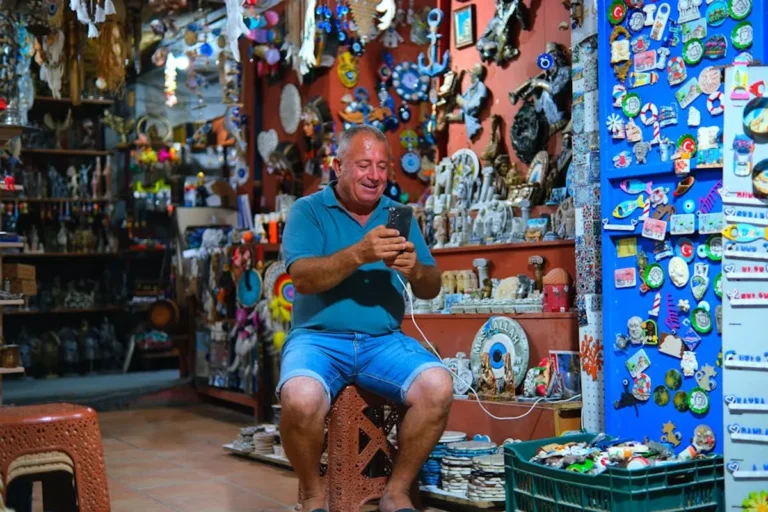
Prioritize candid moments over posed shots. Observe and capture genuine interactions with locals, dynamic activities like hiking or cooking classes, or the quiet contemplation of a scenic view. These spontaneous images resonate because they feel real and attainable to the audience, fostering a deeper connection. Emphasize the "sense of place" by including iconic landmarks, unique architecture, or natural landscapes that immediately identify the destination. Incorporate movement to add energy to your photos, such as people walking through a bustling street or engaging in a local craft. Finally, infuse a personal touch by incorporating your own experience into the frame, whether it's your hands holding a local delicacy or your silhouette admiring a vista. This personal connection helps build brand authenticity for your blog.
Pro Tip: Always seek permission before photographing people, especially in sensitive cultural contexts. A simple gesture or asking "May I?" in the local language shows respect and often yields more authentic, willing subjects. Avoid intrusive flash photography in intimate settings like religious sites or small restaurants.
Post-Capture Workflow for Commercial Readiness
The work doesn't end when the shutter clicks. An efficient post-capture workflow ensures your images are optimized for blog publication and consistent branding.
Efficient culling saves significant time; immediately delete blurry, poorly composed, or redundant shots to streamline your editing process. Editing should enhance, not distort, the original image. Focus on color correction, exposure adjustments, and cropping to improve composition and impact. Aim for consistent color grading and exposure across your travel series to maintain a cohesive blog aesthetic, which reinforces brand identity and makes your content instantly recognizable. Implement a robust backup system immediately upon returning to your accommodation each day, utilizing cloud services and external drives to prevent data loss, which is invaluable when traveling.
Developing a Distinct Visual Voice
Your blog's visual identity is as important as its written content. Cultivating a unique photographic style differentiates your content in a crowded online space.
Practice relentlessly. Analyze what draws you to certain images—be it specific lighting, color palettes, or compositional choices—and try to replicate those elements, then adapt them to your unique perspective. Experiment with different angles, perspectives, and post-processing techniques until you discover a style that feels authentic to your brand. Your visual voice should be as recognizable as your written voice, cementing your blog's identity and making your content instantly identifiable and memorable to your audience. This consistency builds trust and encourages repeat visits.
Frequently Asked Questions About Travel Photography for Blogs
What's the single most impactful tip for improving travel photos?
Mastering natural light is crucial. Prioritize shooting during golden hour for warm, soft tones and seek out window light indoors. Good light can elevate even a simple composition.
How do I manage gear weight while traveling without sacrificing quality?
Opt for a mirrorless camera system due to its lighter weight and compact size. Choose versatile lenses like a 24-70mm zoom and a fast 50mm prime to cover most scenarios without carrying excessive equipment.
Is a smartphone sufficient for blog-quality travel photos?
Modern smartphones offer excellent image quality for many blog applications, especially with good lighting and composition. For professional-grade results, low-light performance, and creative control (e.g., shallow depth of field), a dedicated camera remains superior.
How can I ensure my travel photos stand out in a crowded niche?
Focus on storytelling and authenticity. Capture candid moments, incorporate local culture, and develop a consistent editing style that reflects your unique brand voice. This creates a distinct visual identity that stock photos cannot replicate.