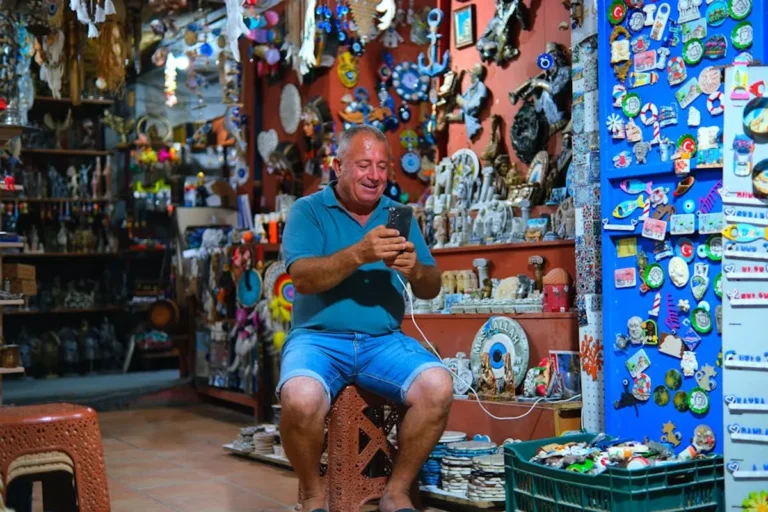

The travel landscape in 2026 will be defined by a discerning traveler, prioritizing experience, impact, and personalization over traditional mass tourism. For lifestyle bloggers, this shift presents a clear mandate: adapt content strategies to align with evolving search intent and commercial opportunities. Success will hinge on forecasting these trends, understanding their underlying motivations, and crafting content that directly addresses the needs of a more conscious, connected, and value-driven audience. Ignoring these shifts risks diminishing organic visibility and revenue streams as traveler preferences diverge from conventional models.
The Rise of Conscious Exploration
Travelers are increasingly seeking experiences that offer more than just a change of scenery; they demand purpose and positive impact. This sentiment will solidify by 2026, influencing destination choices, accommodation preferences, and activity selection.
Sustainable and Regenerative Journeys
The concept of "sustainable travel" will evolve beyond minimizing harm to actively contributing positively to destinations. This includes supporting local economies directly, engaging in conservation efforts, and choosing accommodations with verifiable eco-credentials. Lifestyle bloggers should focus on showcasing verified eco-lodges, community-led tours, and destinations committed to regenerative tourism practices. Content opportunities exist in detailed guides on how to vet ethical operators, reviews of low-carbon travel options, and narratives highlighting the positive impact of responsible choices. Affiliate partnerships with certified sustainable brands or platforms that aggregate such options will become highly relevant.
Immersive Cultural Engagement
The desire for authentic, deep cultural immersion will drive interest in slow travel and community-based tourism. Travelers want to understand local traditions, participate in daily life, and form genuine connections, moving away from superficial sightseeing. Bloggers can capitalize on this by creating itineraries that emphasize extended stays in single locations, showcasing local artisan workshops, traditional cooking classes, or homestay experiences. Long-form content detailing specific cultural etiquette, language tips, and interviews with local residents will resonate. This also opens avenues for sponsored content with cultural preservation organizations or small, local tour operators.
Pro Tip: Authenticity is paramount. When covering immersive cultural experiences, ensure your content reflects genuine engagement and respect for local customs. Superficial portrayals or "voluntourism" that lacks real impact can damage credibility and alienate a conscious audience. Focus on verifiable contributions and respectful interaction.
Personalized Paths and Niche Adventures
Generic travel itineraries are losing ground to highly tailored experiences. By 2026, travelers will expect content and services that cater directly to their specific interests, health needs, and personal growth objectives.
Hyper-Niche Travel Segments
Specialized travel will proliferate, moving beyond broad categories like "adventure" or "beach." Expect growth in areas such as ancestral tourism (traveling to heritage sites), accessible travel (catering to specific physical needs), culinary journeys focused on specific regional cuisines, and hobby-driven trips (e.g., birdwatching, astrophotography, historical reenactment). Lifestyle bloggers should identify underserved niches within their audience demographics and build authority there. This involves deep research into specific destinations or service providers within that niche, creating comprehensive guides, and fostering community around these specialized interests. Monetization comes from highly targeted affiliate recommendations for specialized gear, unique tour operators, or niche accommodation providers.
Best for: Bloggers with established audience demographics or strong personal interests that align with a niche travel segment.
Data-Driven Customization
While AI-driven travel planning tools will become more sophisticated, travelers will still seek human curation and validation. Bloggers can position themselves as trusted curators, offering personalized itinerary templates, reviewing AI-generated plans for practical flaws, or providing expert commentary on emerging destinations identified by data trends. Content could include "how-to" guides for leveraging AI tools effectively, alongside human-curated alternatives or enhancements. The commercial angle lies in offering premium personalized planning services or creating exclusive, downloadable itinerary packages that combine technological efficiency with human insight.
Blurring Lines: Work, Life, and Wanderlust
The traditional distinction between travel and daily life continues to erode, creating new categories of long-term and purpose-driven travel that lifestyle bloggers must address.
Digital Nomad Hubs and Long-Stay Travel
The "work-from-anywhere" movement will solidify, leading to increased demand for information on digital nomad visas, co-working spaces, and communities in various cities. Bloggers should focus on comprehensive city guides tailored for long-term stays, covering aspects like internet infrastructure, cost of living breakdowns, local networking opportunities, and cultural integration tips. Content can also review specific co-living spaces or long-term rental platforms. Affiliate opportunities extend to travel insurance for long-term stays, productivity tools for remote work, and local service providers (e.g., language schools, fitness centers).
- Detailed visa requirements and application processes for popular digital nomad destinations.
- Comparative cost-of-living analyses for different cities, including accommodation, food, and transport.
- Reviews of co-working spaces, emphasizing amenities, community, and pricing structures.
- Guides on maintaining work-life balance and mental well-being while traveling long-term.
- Networking opportunities and expat communities in various international locations.
Skill-Based and Transformative Retreats
Travel is increasingly viewed as an opportunity for personal growth, skill acquisition, or transformation. This includes wellness retreats, mindfulness camps, creative workshops (e.g., photography, writing), and adventure challenges. Lifestyle bloggers can review these experiences, share personal transformation stories, or create guides on finding and choosing the right retreat. Commercial value is generated through affiliate partnerships with retreat organizers, wellness brands, or educational travel platforms. Content should emphasize the tangible benefits and outcomes of such trips, providing practical advice for preparation and follow-up.
Actionable Content Strategy for 2026
To capitalize on these trends, lifestyle bloggers should audit existing content for relevance and identify gaps. Prioritize in-depth, authoritative pieces over superficial roundups. Focus on long-tail keywords related to specific niche interests, ethical considerations, and practical aspects of long-term or transformative travel. Integrate diverse content formats, including detailed guides, personal narratives, and expert interviews, to provide comprehensive value. Building community around these emerging travel philosophies will also foster loyalty and direct traffic.
Frequently Asked Questions
How can lifestyle bloggers identify emerging travel trends beyond 2026? Monitor travel industry reports, analyze search query data for early signals, and engage directly with your audience through surveys and social media to understand their evolving travel aspirations and pain points.
What is the most effective way to monetize content around these future travel trends? Focus on high-value affiliate partnerships with verified ethical brands, niche tour operators, and specialized accommodation providers. Consider offering premium, curated digital products like detailed itineraries or planning guides for specific trend categories.
Should I overhaul my entire blog to focus on these trends? Rather than a complete overhaul, integrate these trends strategically. Start by creating dedicated content pillars for the most relevant trends, then gradually expand and interlink with existing content where appropriate, ensuring your brand voice remains consistent.
How important is video content for covering future travel trends? Video will be crucial for demonstrating authenticity and immersion, particularly for sustainable, cultural, and transformative travel experiences. Short-form video for quick tips and long-form for detailed guides or vlogs will both be essential for capturing audience attention and conveying the essence of these trends.