
Navigating new culinary landscapes while traveling presents a distinct challenge: how to bypass the ubiquitous tourist-centric establishments and uncover the genuine local dining experiences. The goal is not merely to eat, but to immerse oneself in the authentic flavors and cultural nuances that define a destination's gastronomic identity. This requires a strategic approach, blending digital reconnaissance with astute observation and direct engagement, ensuring every meal contributes to a richer, more memorable journey.
Leveraging Digital Tools Beyond Obvious Choices
Hyper-Local Search Engine Queries
Relying solely on broad searches often yields results skewed towards heavily advertised or high-volume tourist venues. To drill down to authentic local spots, construct highly specific, intent-driven queries. Focus on long-tail keywords that combine cuisine types, specific neighborhoods, and phrases indicating local preference. For instance, instead of "best Italian restaurant Rome," try "traditional Roman trattoria Testaccio locals," or "where do Romans eat cacio e pepe Trastevere." Incorporate terms like "neighborhood gem," "hidden local spot," "non-touristy," or "authentic [local dish name]" alongside geographic modifiers.
Once initial results appear, scrutinize the snippets. Look for mentions of family-run establishments, specific traditional dishes, or reviews that emphasize a local clientele. Pay attention to the age of reviews; recent feedback from local guides or residents often provides the most current and reliable insights.
Niche Review Platforms and Food Blogs
While mainstream review sites like TripAdvisor or Yelp can offer a baseline, their aggregated data often prioritizes popularity, which doesn't always equate to authenticity. For deeper insights, pivot to platforms with a stronger local user base or specialized focus. Google Maps, when used strategically, allows for filtering by "local favorites" or exploring specific neighborhoods via Street View to gauge the surrounding environment. Beyond these, seek out:
- Local Food Blogs: Many cities have dedicated food writers or bloggers who chronicle the local culinary scene with a focus on authenticity and emerging trends. A quick search for "[city name] food blog" or "[city name] culinary guide" can uncover valuable resources.
- Instagram and TikTok: These visual platforms are rich with user-generated content. Search using geotags for specific neighborhoods or hyper-local hashtags such as #localfood[city], #eat[city]likealocal, or #hiddenjem[city]. Look for posts from accounts that consistently feature diverse, less-known eateries and engage with local commenters.
- Specialized Food Forums: Websites like Chowhound (though less active now, archives can be useful) or local subreddits (e.g., r/[cityname]food) often host discussions where residents share genuine recommendations and debate local favorites.
Pro Tip: When evaluating online reviews, pay close attention to the language used. Generic praise or identical phrases across multiple reviews can indicate promotional content. Prioritize reviews that describe specific dishes, atmosphere, and the type of clientele, particularly those from users who appear to be local or frequent visitors.
Social Media Deep Dives
Leveraging social media effectively goes beyond simple hashtag searches. Consider joining local Facebook groups – particularly those for expatriates or long-term residents in your destination. These communities often share highly specific, unvarnished recommendations for everything from daily groceries to celebratory dining. Pose direct questions within these groups, asking for "your favorite place for [specific local dish] that isn't in tourist guides." The responses can yield highly curated lists of authentic establishments.
Offline Strategies for Authentic Discoveries
Ask Locals Directly
The most direct route to authentic dining often involves engaging with the people who live and work in your destination. However, the *way* you ask and *who* you ask matters significantly. Avoid asking hotel concierges or tour guides, whose recommendations may be influenced by commissions or tourist-friendly options. Instead, approach:
- Shopkeepers: Particularly those in non-touristy areas, like small grocery stores, bakeries, or artisan shops.
- Baristas: At independent coffee shops where locals frequent.
- Taxi or Ride-Share Drivers: Especially those who appear older and have lived in the city for a long time.
- Servers or Bartenders: In local bars or cafes (not restaurants you're considering, to avoid bias).
Frame your question specifically: "Where do *you* go for a good, traditional [local dish]?" or "Is there a place around here where locals eat that's not too fancy?" This personalizes the request and encourages a more genuine response.
Observe Local Habits and Indicators
Develop an eye for the subtle cues that distinguish an authentic local eatery from a tourist trap. Look for:
- Crowds of Locals: A restaurant packed with local diners, especially during peak meal times, is a strong indicator of quality and authenticity.
- Menus in Local Language: While a small English translation might be available, a menu predominantly in the local language, particularly with handwritten additions or daily specials, often signals a focus on local clientele.
- Off-the-Beaten-Path Locations: Restaurants tucked away on side streets, in residential areas, or slightly outside the main tourist zones are often more authentic.
- Minimal External Marketing: Places that rely on word-of-mouth and repeat local business often have understated exteriors, lacking aggressive touts or flashy, multi-language picture menus.
Explore Local Markets and Food Stalls
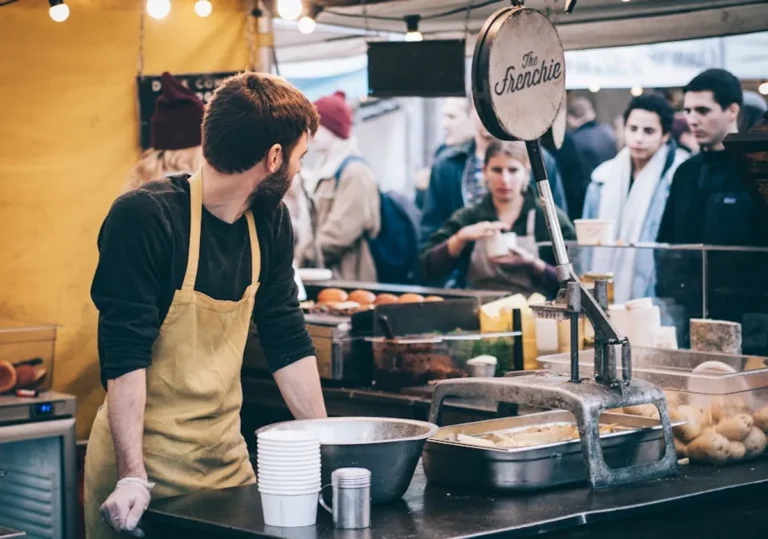
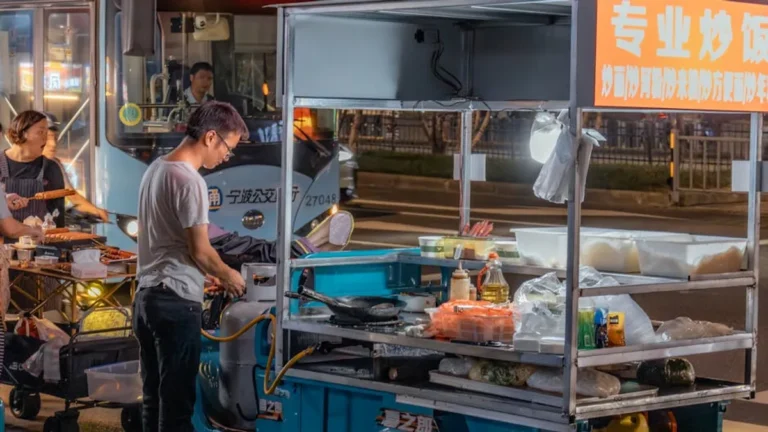
Food markets are cultural epicenters and prime locations for experiencing authentic local cuisine. Many markets feature food stalls or small eateries serving traditional dishes, often prepared fresh with ingredients sourced directly from the market vendors. These can be excellent for lunch, snacks, or a casual dinner, offering a vibrant atmosphere and direct interaction with local food culture. Observe which stalls have the longest lines of locals, as this usually points to the best quality.
Verifying Authenticity and Quality
Menu Language and Pricing
Authentic local restaurants typically feature menus primarily in the local language. While some may offer a translated version, the original should be prominently displayed. Examine the pricing; it should align with local economic standards, not inflated rates designed for tourists. A restaurant offering a vast, multi-cuisine menu is often a red flag, as specializing in a few local dishes usually indicates a focus on quality and tradition.
Ambiance and Clientele
The atmosphere should reflect the local culture, not a generic "international" or overtly themed tourist aesthetic. Look around: if the majority of diners are locals engaged in conversation, it's a good sign. The decor might be simple, even rustic, but it should feel genuine and lived-in, rather than meticulously designed for a foreign gaze.
Specific Dish Focus
The most authentic establishments often excel at a limited number of regional specialties. Instead of a comprehensive menu covering every conceivable dish, they focus on perfecting a few key items. If you're looking for a specific local dish, prioritize restaurants known for that particular item, rather than those offering a broad, uninspired selection.
Strategic Dining for Deeper Immersion
Finding authentic local restaurants while traveling is a skill developed through a combination of diligent research and practical, on-the-ground observation. Begin with targeted digital searches, leveraging niche platforms and social media for initial leads. Then, transition to offline strategies: engage with locals, observe their dining habits, and explore vibrant food markets. By cross-referencing information and trusting your instincts, you'll consistently uncover culinary gems that offer a true taste of your destination, enriching your travel experience far beyond the plate.
Frequently Asked Questions
How can I avoid tourist traps effectively?
Actively seek out restaurants located away from major tourist attractions, use hyper-local search queries, and prioritize establishments with menus predominantly in the local language and a visible local clientele.
Is it rude to ask locals for recommendations?
No, it's generally appreciated. Approach individuals who are not directly involved in the tourism industry (e.g., shopkeepers, baristas) and frame your question respectfully, indicating your interest in experiencing local culture.
What if I don't speak the local language?
Many authentic local eateries will have at least one staff member who speaks some English, or you can use translation apps. Pointing to menu items or photos often works, and the effort to engage in the local language, even minimally, is usually well-received.
Are street food vendors safe?
Generally, yes, if you observe basic hygiene indicators. Look for stalls with high turnover, fresh ingredients being prepared in front of you, and clean cooking surfaces. If locals are lining up, it's usually a good sign of safety and quality.