
Travellers often seek more than just sightseeing; they crave an authentic immersion into local culture, and food serves as a primary conduit for this experience. Yet, navigating a new city's culinary landscape can lead to predictable, tourist-centric restaurants that offer diluted versions of local cuisine. The real culinary treasures, the "hidden food spots," exist beyond the main squares and hotel districts. These are the establishments where locals dine daily, offering genuine flavors, traditional preparation methods, and a true sense of place, often at a more accessible price point. Discovering these spots transforms a meal from a necessity into a memorable cultural encounter.
Beyond the Tourist Trail: Unearthing Local Flavors
The allure of hidden food spots lies in their ability to deliver an unvarnished taste of a destination. Unlike establishments catering to international palates, these local favorites prioritize tradition and community. They often feature ingredients sourced from nearby markets, recipes passed down through generations, and an atmosphere that reflects the daily life of the area. Opting for a small, family-run eatery over a chain restaurant in a prime tourist location means experiencing dishes prepared with an intimate understanding of local culinary heritage, free from inflated prices and generic menus.
These establishments serve as cultural touchstones, providing insights into local customs, dining rituals, and social interactions. The simplicity of their decor, the buzz of local conversation, and the focused menu often signal a commitment to quality and authenticity over superficial appeal. Identifying these spots requires a shift in approach from typical travel planning, moving away from aggregated review sites dominated by visitor feedback and towards more granular, local intelligence.
Strategic Approaches to Finding Local Eateries
Uncovering truly hidden food gems involves a blend of direct inquiry, keen observation, and targeted digital exploration. Relying solely on popular tourist guides or global review platforms often leads to places already discovered by the masses. Instead, cultivate methods that tap into genuine local knowledge and patterns.
- Engage with local residents beyond tourist services: Ask hotel concierges, but also taxi drivers, small shop owners, or even local university students for their personal recommendations. Frame the question as, "Where do *you* eat when you want authentic [local dish]?" rather than "Where is a good restaurant?"
- Observe local dining patterns and peak hours: Notice where queues form, especially during lunch or dinner times. A long line of locals, particularly at a humble establishment, is a strong indicator of quality and popularity. Observe what locals are eating and how they order.
- Utilize niche online communities and local foodie blogs: Search for local-specific food forums, Instagram accounts of local food bloggers, or Facebook groups dedicated to the city's culinary scene. These platforms often highlight new or lesser-known spots before they gain widespread attention.
- Learn key food-related phrases in the local language: Even basic terms for "delicious," "menu," "recommendation," or specific ingredients can bridge communication gaps and demonstrate respect, often leading to more genuine interactions and better service.
Leveraging Local Recommendations Effectively
When seeking advice from locals, specificity yields better results. Instead of asking for "a good restaurant," inquire about a specific type of dish, a particular neighborhood, or a certain dining experience. For example, "Where can I find the best [local noodle dish] that isn't too expensive?" This directs the local to think about their personal favorites rather than tourist-friendly options. Pay attention to their enthusiasm and any non-verbal cues. A recommendation given with a genuine smile and detailed directions often leads to a truly rewarding discovery.
Navigating Street Food and Market Stalls
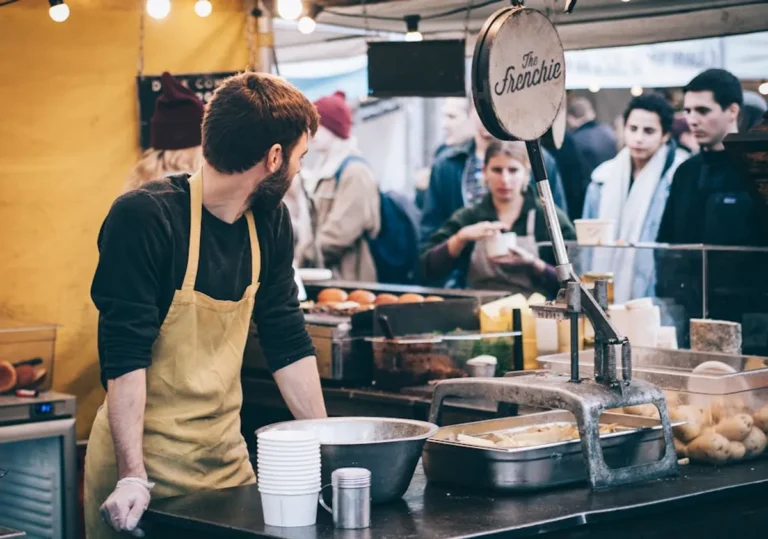
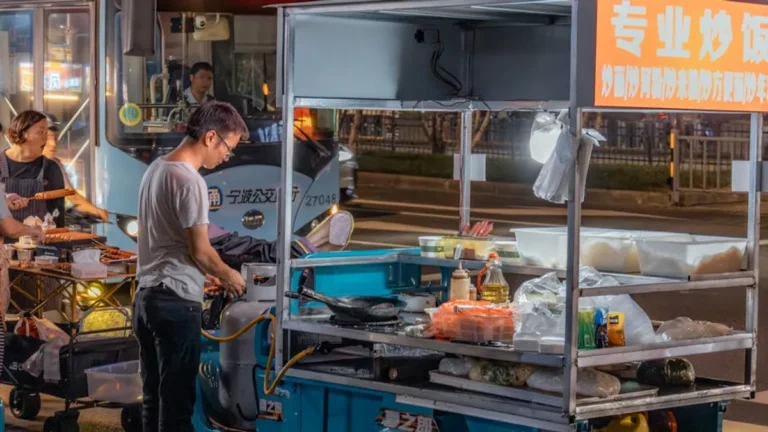
Street food vendors and market stalls represent the epitome of hidden culinary experiences in many cultures. These are often the most direct and affordable ways to taste authentic local flavors, prepared fresh and served with minimal fuss. From bustling Asian hawker centers to vibrant Latin American markets, these informal dining environments are integral to daily life and offer a dynamic, sensory-rich experience.
The key to successful street food exploration lies in discernment. Look for stalls that specialize in a few dishes, indicating mastery. Observe the turnover of ingredients; fresh produce and meats being constantly replenished are positive signs. The cooking process should be visible and hygienic, with cooks wearing gloves and using clean utensils. High foot traffic and a steady stream of local customers are reliable indicators of both popularity and consistent quality.
Identifying Quality Street Food Vendors
Visual cues are paramount. Seek out vendors with clean preparation surfaces, fresh-looking ingredients, and a strong aroma of cooking, not stale food. Pay attention to how food is stored and handled. Popular stalls often have visible signs of their success, such as awards, newspaper clippings, or simply a consistent line of patrons. Don't be deterred by a lack of English signage; this often signifies a spot catering primarily to locals, enhancing its authenticity.
Pro Tip: Prioritize vendors with visible cooking stations and high customer turnover. Freshly cooked food, served hot, significantly reduces risk while ensuring peak flavor. Avoid pre-cooked items that have been sitting out for extended periods, especially in warm climates.
The Charm of Neighborhood Cafes and Small Bistros
Beyond the vibrant chaos of street food, many cities harbor quiet, unassuming cafes and bistros nestled in residential areas. These establishments often serve as community hubs, offering home-style cooking, traditional baked goods, and local beverages. They typically lack the flashy marketing of larger restaurants, relying instead on word-of-mouth and loyal local patronage.
These spots are ideal for experiencing a slower pace of local life. Menus might be handwritten, and service might be more relaxed, reflecting a focus on comfort and tradition. They are excellent places to discover regional specialties not commonly found in more commercialized dining areas. Spending time in such a cafe allows for observation of daily routines, providing a deeper connection to the local culture beyond typical tourist interactions.
Maximizing Your Culinary Discoveries
Finding hidden food spots is less about a checklist and more about cultivating an adventurous mindset and an observant eye. Embrace the unexpected, be willing to step a few blocks off the main thoroughfares, and engage with locals respectfully. These culinary explorations often lead not only to exceptional meals but also to unique cultural insights and memorable interactions. The reward for this effort is a richer, more authentic travel experience, where food becomes a genuine gateway to understanding a new place and its people.
Frequently Asked Questions
How can I ensure food safety at hidden spots?
Prioritize places with high customer turnover, visible cooking processes, and clean serving areas. Observe locals; if they are eating there regularly, it's generally a good sign. Opt for freshly cooked, hot food over items that have been sitting out. To ensure food safety at hidden spots, prioritize places with high customer turnover and visible cooking processes.
Is it always cheaper to eat at local, hidden spots?
Often, yes. Hidden local spots typically have lower overheads and cater to a local price point, making them significantly more affordable than tourist-oriented restaurants while offering superior authenticity and flavor.
What if I don't speak the local language?
Don't let a language barrier deter you. Many local eateries are accustomed to non-native speakers. Pointing to dishes, using simple phrases, or having a translation app ready can facilitate ordering. A genuine smile and respectful demeanor go a long way.
How do I avoid tourist traps when looking for hidden gems?
Steer clear of restaurants with multi-language menus featuring generic photos, aggressive touts outside, or locations directly adjacent to major tourist attractions. Instead, venture a few blocks into residential areas and look for establishments filled with locals.