For first-time travelers, the local food market presents both an unparalleled opportunity for cultural immersion and a potential source of overwhelm. Beyond mere grocery shopping, these vibrant hubs offer a direct line to a region's culinary soul, its daily rhythms, and its people. However, navigating an unfamiliar market environment – with its unique customs, language barriers, and product specificities – can deter even adventurous eaters. This guide breaks down the essential steps and considerations, ensuring your first foray into a foreign food market is confident, safe, and deeply rewarding.
Before You Arrive: Essential Preparations
Research Local Market Culture
Successful market exploration begins before you leave your accommodation. Identify the specific type of market you're visiting: a daily produce market, a weekly farmers' market, or a specialized street food bazaar. Each has its own rhythm and etiquette. Research typical opening and closing times, as prime hours often dictate both selection and crowds. Look for information on local specialties – identifying a few "must-try" items in advance can provide focus amidst the sensory overload. Crucially, investigate common payment methods; some traditional markets operate exclusively in cash, often preferring smaller denominations.
Budgeting and Payment Considerations
Allocate a realistic budget for your market visit. While prices are generally lower than supermarkets, it's easy to overspend when everything looks appealing. Always carry local currency, preferably in small bills and coins. Flashing large denominations can mark you as a tourist and potentially lead to inflated prices or difficulty receiving exact change. Consider a small, secure pouch for your money rather than a large wallet, which can be cumbersome and less discreet in crowded spaces.
Packing Your Market Kit
A few practical items can significantly enhance your market experience.
- Reusable Bags: Many vendors do not provide bags, or offer flimsy plastic ones. Sturdy, reusable tote bags are essential for carrying your purchases.
- Hand Sanitizer: You'll be touching produce, sampling food, and handling money. Hand sanitizer is crucial for maintaining hygiene.
- Small Bills/Coins: As noted, this streamlines transactions and avoids issues with change.
- Translation App or Phrasebook: Even a few basic phrases ("How much?", "Thank you," "Delicious") can open doors to friendly interactions.
- Comfortable Shoes: You'll likely be walking and standing for extended periods.
- Water Bottle: Markets can be warm and bustling; staying hydrated is important.
Inside the Market: Navigating with Confidence
Observe First, Engage Second
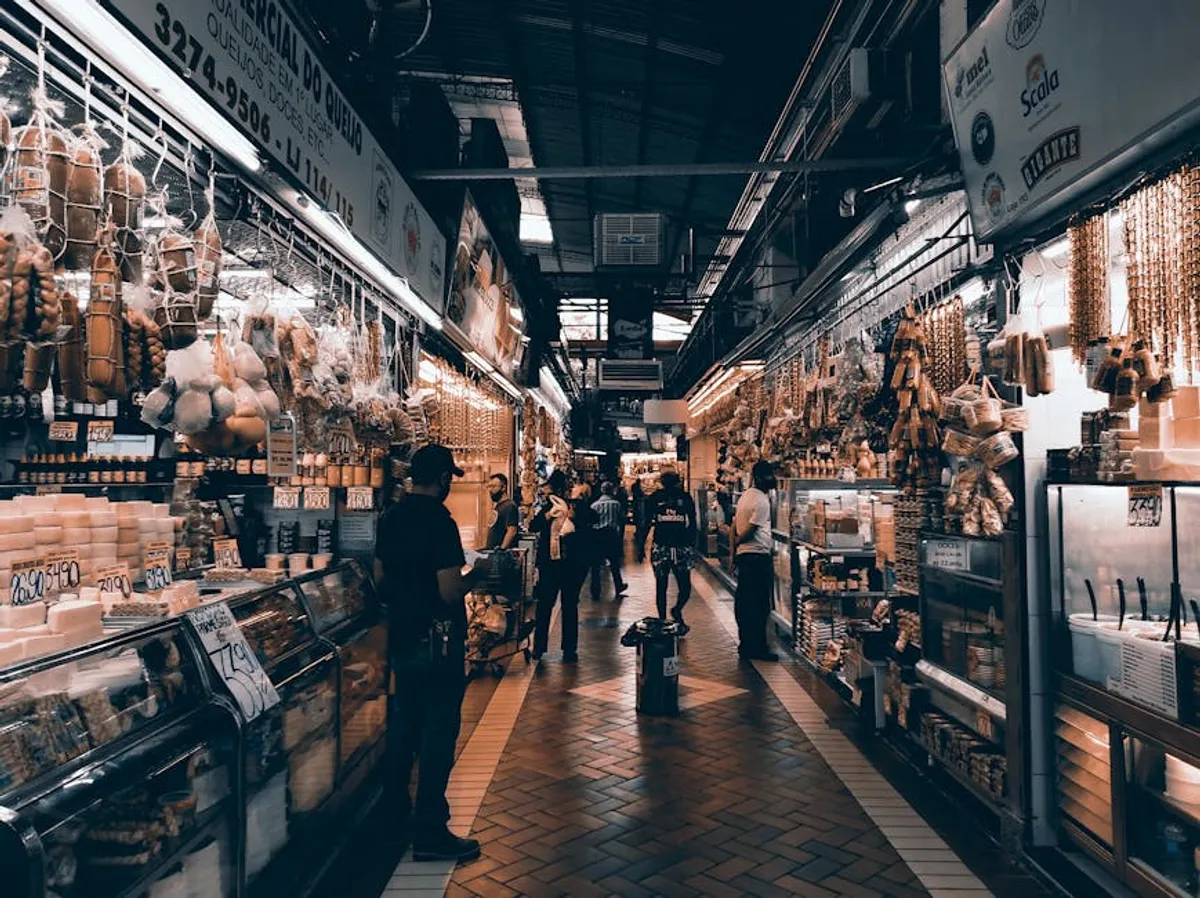
Upon entering a new market, resist the urge to dive straight into purchases. Spend 10-15 minutes simply walking through, observing the flow, how locals interact with vendors, and how transactions occur. Note which stalls are busiest, as these often indicate quality or popular items. This initial reconnaissance helps you acclimate to the environment, understand pricing patterns, and identify vendors who appear friendly and approachable.
Mastering Communication and Sampling
Even without a shared language, communication is possible. Pointing clearly to items, using a calculator for prices, and offering a polite smile are universally understood. In many markets, sampling is encouraged, especially for fruits, cheeses, or prepared foods. Always ask politely (e.g., "Can I try?") before taking a sample. If a vendor offers a sample, accept it graciously. This interaction builds rapport and allows you to taste before committing to a purchase.
Understanding Local Etiquette
Market etiquette varies globally. In some cultures, touching produce without the vendor's permission is considered rude; observe if locals handle items or wait for the vendor to select. Maintain personal space where possible, but be prepared for close quarters in bustling markets. If you're taking photos, always ask for permission, especially when photographing people or their stalls. A quick gesture and a smile are usually sufficient.
Making Your Selections: From Vendor to Bag
Assessing Freshness and Quality
Look for visual cues of freshness: vibrant colors, firm textures, and a natural aroma. For produce, avoid items with bruising, mold, or excessive wilting. For meats and seafood, look for bright, clear eyes (on fish), firm flesh, and a clean, fresh smell, not an overpowering "fishy" odor. Don't hesitate to ask vendors about the origin or seasonality of their products; they often take pride in their offerings and can offer valuable insights.
The Art of the Purchase (and Haggling)
In many traditional markets, particularly outside of Western Europe or North America, haggling is a customary part of the transaction. It's not about aggressive bargaining but a polite negotiation. Start by offering a price slightly lower than the asking price, but never insultingly so. Aim for a price that feels fair to both parties. If haggling is not common (e.g., in most European farmers' markets), simply pay the stated price. Observe locals to gauge whether negotiation is expected or even tolerated.
Safe Handling and Transport
Pro Tip: Prioritize food safety, especially with perishable items. If purchasing raw meat, seafood, or dairy, plan to consume or refrigerate it within a few hours. Carry a small insulated bag with an ice pack if your journey back to refrigeration is lengthy or if the climate is warm. Separate raw and cooked items in your bags to prevent cross-contamination.
Maximizing Your Market Experience
Your market visit extends beyond the transaction. Engage with vendors; a simple "hello" or "thank you" in the local language can lead to recommendations or even a small gift. Don't be afraid to try new things – that unusual fruit or unfamiliar street snack might become a new favorite. Consider how your market purchases can contribute to a simple, delicious meal back at your accommodation, perhaps a picnic in a local park with fresh bread, cheese, and fruit. These experiences often become the most memorable parts of a trip, offering authentic flavors and genuine connections that pre-packaged tours rarely provide.
Frequently Asked Questions
Is it safe to eat street food from a market?
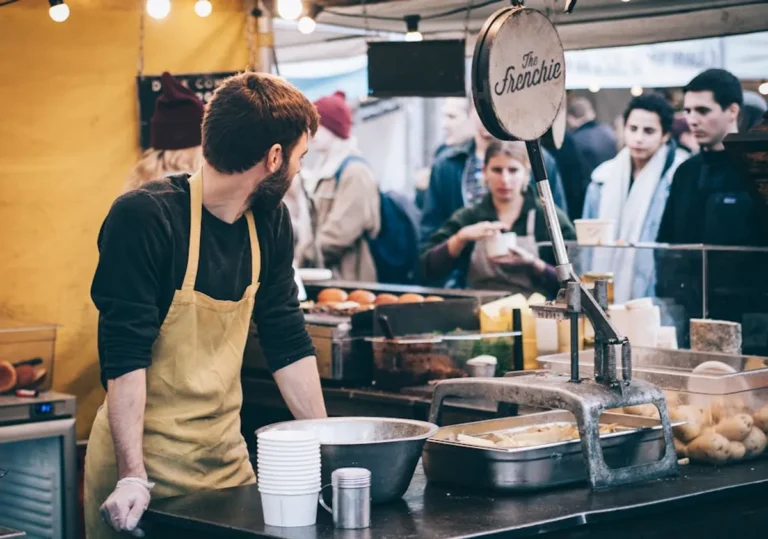
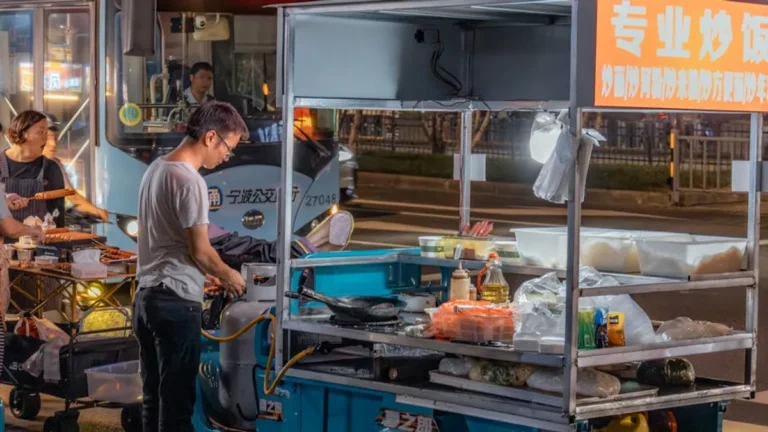
Generally, yes, but exercise caution. Look for vendors with long queues of locals, indicating popularity and freshness. Observe their hygiene practices: clean surfaces, gloved hands, and food cooked to order. Avoid food that appears to have been sitting out for extended periods in warm conditions.
What if I don't speak the local language?
Don't let language barriers deter you. Hand gestures, pointing, a smile, and a translation app on your phone are effective tools. Many vendors in tourist-frequented markets will also know basic English or common prices.
What's the best time to visit a food market?
Arriving early, shortly after opening, often provides the best selection and fewer crowds. However, some markets become more lively in the late morning or early afternoon, especially those with prepared food stalls. Evening markets offer a different, often more festive, atmosphere.
Should I haggle for prices at every stall?
No. Haggling is common in traditional, open-air markets, particularly in Asia, Africa, and parts of Latin America. In more modern or organized farmers' markets in Western countries, prices are usually fixed. Observe how locals shop; if you see them negotiating, it's likely acceptable.