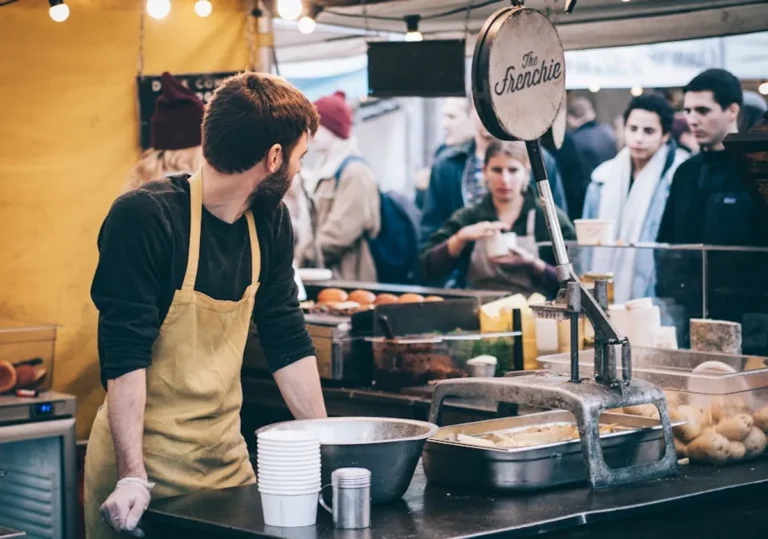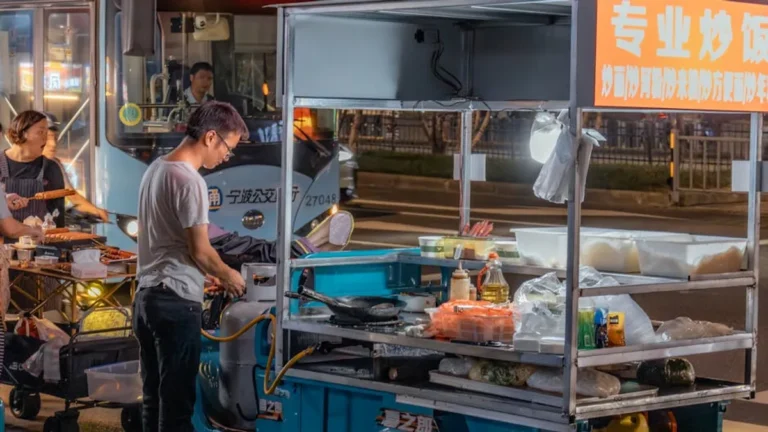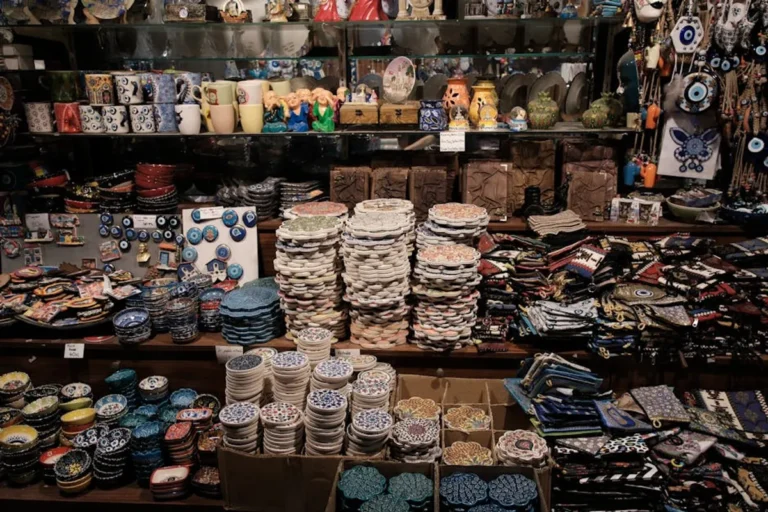
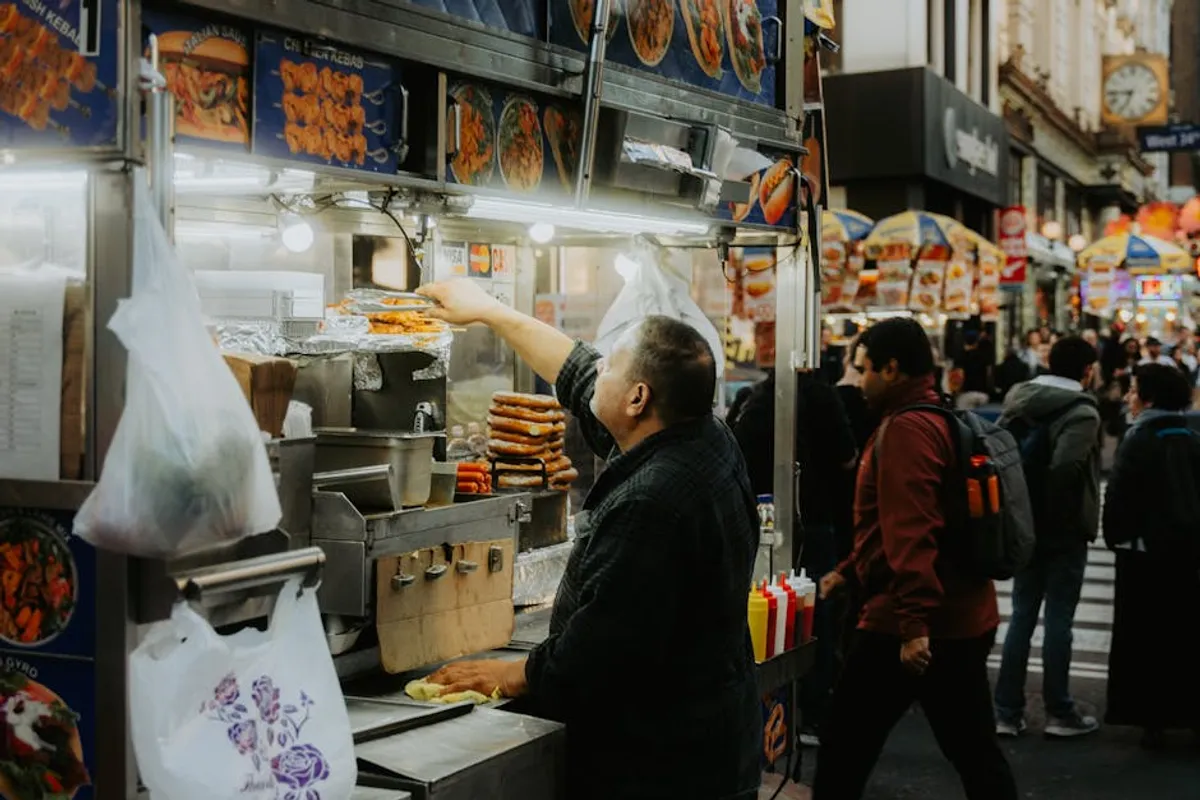
For the discerning traveler, the pursuit of exceptional street food represents more than just a meal; it is an immersion into local culture, a direct engagement with culinary traditions, and often, the most authentic expression of a city’s gastronomic identity. Selecting the right destination for a street food-focused journey requires evaluating several factors beyond mere availability. It involves assessing the diversity of offerings, the integration of food into daily life, the accessibility of vendors, and the overall value proposition for an experience that is both memorable and genuinely local. This guide identifies premier street food cities, providing a structured assessment to assist hungry travelers in allocating their limited time and resources effectively for maximum culinary return.
Factors Defining a Premier Street Food City
Identifying a top-tier street food destination goes beyond simply having food carts. A truly exceptional city for street eats exhibits several key characteristics that elevate the experience from a quick bite to a cultural journey. Consider these elements when planning your next culinary adventure:
- Diversity and Specialization: The best cities offer a wide array of dishes, from regional specialties to fusion creations, alongside a deep mastery of specific culinary forms. This indicates a rich food history and a vibrant, evolving scene.
- Accessibility and Integration: Street food should be readily available throughout the city, integrated into daily life rather than confined to tourist traps. Ease of access, whether by foot or public transport, enhances the experience.
- Value Proposition: Exceptional street food typically offers high quality at an accessible price point, providing significant culinary value compared to sit-down restaurants. This allows for broader exploration without substantial financial commitment.
- Hygiene and Trust: While street food is inherently informal, cities with robust local patronage often develop unwritten codes of hygiene. Look for busy stalls with visible cooking processes and fresh ingredients, which are strong indicators of quality and safety.
- Cultural Immersion: The act of eating street food is often a social event, reflecting local customs and community interactions. A city where street food is a cornerstone of daily life provides a richer, more authentic cultural experience.
- Innovation and Tradition: The ideal street food scene balances time-honored recipes with creative adaptations and new culinary trends, ensuring both classic flavors and novel experiences are available.
1. Bangkok, Thailand
Bangkok's street food scene is a global benchmark, characterized by its sheer scale, diversity, and relentless energy. From the bustling alleys of Chinatown (Yaowarat) to the night markets of Sukhumvit and the boat noodle stalls along canals, food is an omnipresent force. Vendors specialize in specific dishes, perfecting them over generations, ensuring high quality and authenticity. The city offers everything from spicy curries and grilled skewers to intricate desserts and refreshing drinks, available from dawn until late night.
Best for: Travelers seeking unparalleled variety, late-night dining options, and an immersive culinary adventure where food is central to the urban landscape.
Pros:
- Extraordinary range of dishes, catering to all palates.
- Exceptional value for money, allowing extensive sampling.
- Ubiquitous availability, with food stalls on almost every corner.
- High level of specialization among vendors, leading to perfected dishes.
Cons:
- Traffic and crowds can be overwhelming, particularly in popular areas.
- Hygiene standards vary; careful selection of stalls is advisable.
- Language barrier can be present, though pointing and gesturing usually suffice.
Verdict: Bangkok remains a top-tier destination for street food, offering an unmatched sensory experience. Its dynamic, affordable, and deeply ingrained food culture makes it an essential visit for any serious culinary traveler.
2. Mexico City, Mexico
Mexico City offers a vibrant and deeply flavorful street food landscape, celebrated for its tacos, tamales, quesadillas, and esquites. The city's street food is a direct reflection of its rich culinary heritage, with distinct regional influences and a strong emphasis on fresh, local ingredients. Markets like Mercado de San Juan and stalls in neighborhoods like Roma Norte and Condesa provide a continuous flow of expertly prepared dishes, often accompanied by a variety of salsas and fresh aguas frescas.
Best for: Enthusiasts of bold, complex flavors, corn-based dishes, and a street food culture that is both traditional and innovative.
Pros:
- Incredible depth of flavor and variety in traditional Mexican cuisine.
- Affordable prices, enabling extensive exploration of local specialties.
- Strong cultural integration; eating street food is a daily ritual for locals.
- Many stalls operate with high standards of freshness due to rapid turnover.
Cons:
- Some areas may have hygiene concerns, requiring discernment.
- Spicy food is prevalent, which may not suit all palates without modification.
- Navigating busy markets can be challenging for first-time visitors.
Verdict: Mexico City provides an authentic and delicious street food experience, deeply rooted in its history and vibrant culture. It's a destination where every bite tells a story of tradition and culinary passion.
3. Singapore
Singapore's hawker centers are a unique, government-regulated model for street food, offering a clean, organized, and incredibly diverse culinary experience. These centers bring together hundreds of individual stalls, each specializing in a particular dish, from Hainanese chicken rice and laksa to satay and chili crab. The emphasis on hygiene and quality control ensures a comfortable and safe dining environment, making it an ideal entry point for those new to street food.
Best for: Travelers prioritizing hygiene and organization without sacrificing diversity or authenticity; those seeking a curated, multi-ethnic culinary journey.
Pros:
- Exceptional hygiene standards across all hawker centers.
- Vast array of cuisines (Malay, Chinese, Indian, Peranakan) in one location.
- Affordable prices for high-quality, often Michelin-recognized, dishes.
- Air-conditioned comfort in many modern hawker centers.
Cons:
- Can feel less "gritty" or spontaneous than traditional street food scenes.
- Popular stalls often have long queues, especially during peak hours.
- Some dishes, particularly seafood, can be pricier than other street food cities.
Verdict: Singapore's hawker centers redefine street food, offering a meticulously managed yet culturally rich dining experience. It's a testament to how urban planning can enhance, rather than diminish, traditional food culture.
4. Marrakech, Morocco
The street food scene in Marrakech centers around the iconic Djemaa el-Fna square, which transforms nightly into a sprawling open-air restaurant. Here, dozens of food stalls set up, serving traditional Moroccan fare like tagines, harira soup, grilled meats, snail soup, and a variety of freshly squeezed juices. The atmosphere is as much a part of the experience as the food, with musicians, storytellers, and acrobats adding to the vibrant chaos.
Best for: Adventurous eaters seeking a highly atmospheric and communal dining experience, with a focus on North African flavors and spices.
Pros:
- Unforgettable sensory experience in Djemaa el-Fna.
- Authentic Moroccan dishes prepared fresh nightly.
- Affordable prices for a full meal and entertainment.
- Opportunity for direct interaction with local culture and vendors.
Cons:
- Hygiene can be a concern, requiring careful selection of stalls.
- Crowds and aggressive vendors can be overwhelming for some.
- Limited dietary options for vegetarians or those with allergies.
Verdict: Marrakech offers a theatrical and deeply cultural street food experience. While requiring a degree of adventurousness, the rewards are rich, authentic flavors amidst an unparalleled historical backdrop.
5. Ho Chi Minh City, Vietnam
Ho Chi Minh City (Saigon) is a paradise for street food lovers, renowned for its fresh ingredients, aromatic herbs, and complex flavor profiles. Iconic dishes like phở, bánh mì, bún chả, and gỏi cuốn are perfected by countless vendors throughout the city. The street food culture is deeply interwoven with daily life, with meals often enjoyed on low plastic stools on sidewalks, fostering a communal and informal dining atmosphere.
Best for: Travelers who appreciate fresh, herbaceous, and balanced flavors, and those who enjoy dining al fresco in a bustling urban environment.
Pros:
- Exceptional freshness of ingredients, particularly herbs and vegetables.
- Diverse range of dishes, from hearty soups to delicate spring rolls.
- Incredibly affordable, allowing for extensive culinary exploration.
- Authentic cultural experience, with food being a central part of daily life.
Cons:
- Traffic noise and pollution can impact the dining experience.
- Hygiene standards vary; choose busy stalls with high turnover.
- Limited English spoken by many vendors, though ordering is often visual.
Verdict: Ho Chi Minh City delivers a vibrant, affordable, and incredibly delicious street food journey. Its dynamic culinary scene is a core reason to visit, offering endless opportunities for discovery.
6. Seoul, South Korea
Seoul's street food scene is dynamic and diverse, reflecting Korea's evolving culinary landscape while retaining strong traditional roots. From the bustling Myeongdong street food alley to the Gwangjang Market, visitors can sample tteokbokki (spicy rice cakes), odeng (fish cakes), gyeranppang (egg bread), and various fried treats. The focus is often on comforting, hearty snacks and meals, perfect for colder weather or late-night cravings.
Best for: Travelers seeking comforting, savory, and often spicy snacks, with a strong emphasis on unique Korean flavors and communal dining.
Pros:
- Distinctive and flavorful Korean specialties.
- Generally high hygiene standards, especially in designated areas.
- Excellent for late-night eating, with many stalls open well past midnight.
- Often very interactive, with vendors preparing food directly in front of customers.
Cons:
- Can be less diverse in terms of international cuisine compared to other cities.
- Some dishes can be very spicy, which may not appeal to all palates.
- Pricing can be slightly higher than in Southeast Asian street food hubs.
Verdict: Seoul offers a compelling street food experience, characterized by its unique flavors, comforting dishes, and efficient setup. It’s an ideal destination for those looking to explore Korean culinary identity through its accessible street offerings.
7. Mumbai, India
Mumbai's street food is a kaleidoscope of flavors, reflecting the city's diverse population and culinary traditions. Iconic dishes like vada pav (potato fritter sandwich), pav bhaji (spicy vegetable mash with bread), dabeli, and various chaats (savory snacks) are staples. The street food scene is an integral part of Mumbai's fast-paced life, offering quick, flavorful, and incredibly affordable meals at every turn. Markets like Juhu Beach and Mohammed Ali Road are particularly famous.
Best for: Adventurous eaters eager to explore complex Indian spice profiles, vegetarian-friendly options, and a truly bustling urban food environment.
Pros:
- Unparalleled diversity of regional Indian snacks and meals.
- Extremely budget-friendly, allowing for extensive sampling.
- Many vegetarian options, making it accessible for diverse diets.
- Deeply integrated into local life, offering a genuine cultural insight.
Cons:
- Hygiene can be a significant concern for international travelers; caution is advised.
- Spicy food is prevalent, which might be challenging for some.
- Crowds and noise are constant, reflecting the city's energy.
Verdict: Mumbai's street food is an intense, flavorful, and unforgettable experience that demands a degree of adventurousness. For those willing to navigate its challenges, it offers a profound connection to Indian culinary heritage.
8. Palermo, Italy
Palermo, Sicily, offers a raw and authentic street food experience rooted in centuries of tradition. Its historical markets like Ballarò, Vucciria, and Capo are vibrant hubs where vendors serve local specialties such as arancine (fried rice balls), panelle (chickpea fritters), sfincione (thick-crust pizza), and the more adventurous pane ca' meusa (spleen sandwich). The focus is on robust, simple flavors and fresh, local ingredients.
Best for: Travelers seeking a traditional, rustic European street food experience with strong historical ties and bold, savory flavors.
Pros:
- Deeply traditional and authentic Sicilian flavors.
- Unique dishes not commonly found elsewhere in Italy.
- Highly atmospheric markets offering a glimpse into local life.
- Affordable way to experience Sicilian cuisine.
Cons:
- Less variety compared to Asian street food hubs.
- Some dishes are quite specific and may not appeal to all.
- Markets can be very crowded and chaotic.
Verdict: Palermo's street food is a testament to Sicilian culinary heritage, offering a distinctive and flavorful journey. It's ideal for those who appreciate history and robust, unpretentious cooking.
9. New Orleans, USA
New Orleans' street food scene is a flavorful reflection of its unique Creole and Cajun heritage. While not as ubiquitous as in some Asian cities, the city offers iconic portable dishes like beignets, po'boys (sub sandwiches), jambalaya, gumbo, and pralines from various casual eateries, food trucks, and market stalls. The French Quarter and Garden District are key areas for finding these delights, often accompanied by live music.
Best for: Travelers interested in a distinct American regional cuisine with strong French, African, and Spanish influences, and a focus on rich, comforting flavors.
Pros:
- Unique and deeply flavorful Creole and Cajun dishes.
- Iconic foods that are integral to the city's identity.
- Vibrant atmosphere often accompanied by live music.
- Generally high hygiene standards in established vendors.
Cons:
- Can be pricier than street food in other global destinations.
- Less "street-side" and more often found in casual walk-up windows or food trucks.
- Limited options for very light or health-conscious eaters.
Verdict: New Orleans offers a distinctive and delicious street food experience, providing a flavorful immersion into its unique cultural tapestry. It's a must-visit for those seeking rich, soulful American regional cuisine.
10. Istanbul, Turkey
Istanbul's street food scene is a delicious journey through Turkish culinary traditions, blending influences from the Middle East, Central Asia, and the Mediterranean. From the ubiquitous simit (sesame bread rings) and döner kebap to balık ekmek (fish sandwich) by the Bosphorus, lahmacun (Turkish pizza), and various börek pastries, the city offers a continuous feast. Street vendors are an integral part of Istanbul's daily rhythm, providing quick and satisfying meals at every turn.
Best for: Travelers who enjoy savory pastries, grilled meats, and fresh seafood, with a preference for a rich historical backdrop and a blend of Eastern and Western flavors.
Pros:
- Wide variety of flavorful and hearty Turkish specialties.
- Excellent value for money, especially for satisfying meals.
- Many iconic dishes are available across the city.
- Eating street food is a deeply ingrained local custom.
Cons:
- Crowds in popular areas can make navigation challenging.
- Some areas may have varying hygiene standards.
- Limited vegetarian options beyond bread-based items and some pastries.
Verdict: Istanbul's street food offers a robust and flavorful exploration of Turkish cuisine, deeply embedded in the city's historical and cultural fabric. It’s an essential experience for any visitor.
11. Taipei, Taiwan
Taipei is a global leader in night market culture, where street food reigns supreme. These bustling markets, such as Shilin, Raohe, and Ningxia, offer an overwhelming array of dishes, from stinky tofu and oyster omelets to beef noodle soup, gua bao (pork belly buns), and bubble tea. The emphasis is on freshness, variety, and a lively, social dining atmosphere, often late into the night.
Best for: Travelers who appreciate innovative and traditional Asian snacks, a vibrant night market atmosphere, and a wide range of unique flavors.
Pros:
- Unparalleled night market experience with vast food selection.
- High standards of freshness and often visible cooking processes.
- Affordable prices for diverse and high-quality dishes.
- Strong emphasis on unique Taiwanese specialties.
Cons:
- Crowds in popular night markets can be intense.
- Some dishes, like stinky tofu, have very strong, polarizing aromas.
- Limited seating options, often requiring standing or eating on the go.
Verdict: Taipei's night markets offer an extraordinary street food journey, showcasing Taiwan's unique culinary identity. It's a must-visit for anyone seeking a dynamic, flavorful, and culturally immersive eating experience.
12. Penang, Malaysia
Penang, particularly its capital George Town, is celebrated as Malaysia's culinary capital, with a street food scene that reflects its multicultural heritage. Malay, Chinese, and Indian influences converge to create a unique blend of flavors. Char kway teow (fried flat noodles), laksa, nasi kandar, and satay are just a few of the iconic dishes found in its hawker centers and roadside stalls. The emphasis is on bold, aromatic flavors and fresh ingredients.
Best for: Travelers seeking a rich fusion of Malay, Chinese, and Indian flavors, with a focus on noodle dishes, curries, and aromatic spices.
Pros:
- Exceptional fusion of diverse Asian culinary traditions.
- High quality and authenticity of regional specialties.
- Affordable prices for incredibly flavorful meals.
- Vibrant hawker centers offer a lively dining atmosphere.
Cons:
- Can be very hot and humid, impacting outdoor dining comfort.
- Some popular hawker centers can be very crowded.
- Limited options for those averse to spicy or very rich foods.
Verdict: Penang offers a truly world-class street food experience, standing out for its unique multicultural culinary identity and consistently high-quality dishes. It's a prime destination for serious food travelers.
Choosing Your Ideal Street Food Destination
The "best" street food city is ultimately subjective, aligning with individual preferences for flavor profiles, dining environments, and cultural immersion. To make an informed choice, consider your personal tolerance for spice, preferred level of hygiene formality, budget, and desired level of culinary adventure. If you prioritize cleanliness and variety, Singapore or Seoul might be ideal. For an immersive, chaotic, and incredibly diverse experience, Bangkok or Ho Chi Minh City deliver. Those seeking unique historical flavors might lean towards Palermo or Marrakech. Researching specific dishes you want to try and understanding the local dining etiquette can further enhance your trip planning, ensuring your travel investment yields maximum gastronomic satisfaction.
Frequently Asked Questions About Street Food Travel
Is street food safe to eat?
Safety varies significantly by city and individual stall. Look for vendors with high customer turnover, visible cooking processes, and fresh ingredients. Avoid food that has been sitting out for extended periods. Trust your instincts; if a stall looks unkempt or the food appears old, choose another. Many travelers also opt for bottled water and avoid ice in drinks.
How do I navigate language barriers when ordering?
Many street food stalls in popular tourist areas have English menus or pictures. If not, pointing to desired items or using translation apps on your phone can be effective. Learning a few basic phrases like "hello," "thank you," and "how much?" in the local language is always appreciated.
What about dietary restrictions?
Managing dietary restrictions with street food can be challenging, as ingredients are often pre-mixed or not easily modified. Vegetarian options are plentiful in cities like Mumbai and parts of Southeast Asia. For severe allergies, it's safer to dine in restaurants where you can more easily communicate your needs. Carrying a translated card explaining your allergies can be helpful.
How much cash should I carry?
Most street food vendors operate on a cash-only basis. It's advisable to carry small denominations of local currency for convenience and to avoid issues with vendors making change. The exact amount depends on your appetite, but budgeting $10-20 USD equivalent per day for street food can allow for extensive sampling in many cities.
What are the best times to experience street food?
This varies by city. Many Asian cities have vibrant night markets that come alive after sunset. In other places, breakfast and lunch are peak times for street food. Researching specific markets or areas will give you the best timing for the freshest food and most authentic atmosphere.