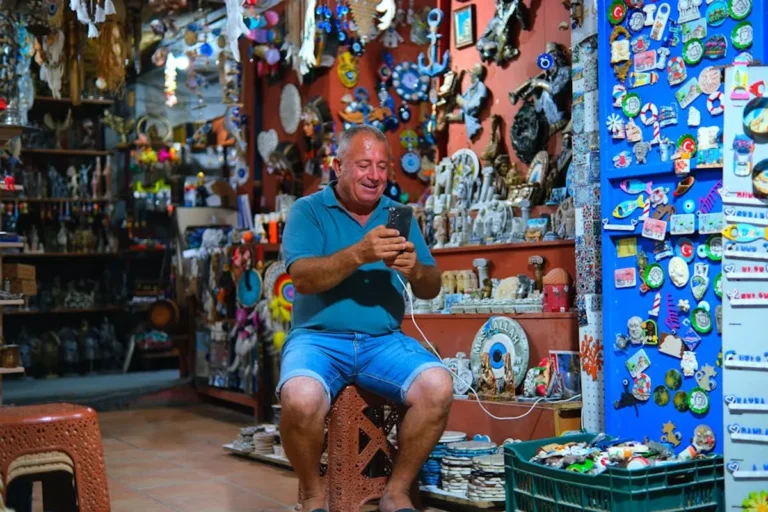

Developing a high-performing city break guide requires more than just listing attractions; it demands a strategic approach to content that anticipates traveler intent and provides actionable value. For publishers, marketers, and site owners, these guides represent a significant opportunity to capture organic search traffic at various stages of the travel planning funnel. The goal is to create content that not only informs but also inspires and facilitates actual travel experiences, ensuring both user engagement and commercial viability. This involves meticulous research, structured presentation, and a keen understanding of local nuances across culinary, navigational, and experiential categories.
Developing the Culinary Segment
The "eat" component of any city break guide is often a primary driver for traveler interest. Effective culinary content moves beyond generic restaurant lists, focusing instead on specific recommendations that align with diverse traveler profiles and budgets. This means identifying establishments that offer unique local flavor, represent emerging food trends, or provide exceptional value.
Researching Local Eateries
Begin by segmenting culinary options. Consider categories like fine dining, casual local favorites, street food, vegan/vegetarian, and late-night spots. Research should extend beyond popular review sites to include local food blogs, community forums, and direct interviews with residents or local experts. Focus on places known for specific dishes, unique ambiance, or historical significance. Verifying operational details like hours, reservation policies, and seasonal menus is critical for accuracy.
Structuring Food Recommendations
Presenting culinary information effectively involves more than just a name and address. Each recommendation should include a concise description highlighting its unique selling proposition. Incorporate practical details such as typical price range, signature dishes, and atmosphere. Consider using inline labels for quick user scanning:
- Best for: Authentic local experience, budget-conscious travelers, family-friendly dining, romantic evenings.
- Must-try: Specific local delicacies, chef's specials, unique beverage pairings.
- Proximity to: Nearby landmarks or popular areas, aiding itinerary planning.
Pro Tip: Always cross-reference opening hours, holiday closures, and reservation requirements directly with the establishment's official website or recent social media updates. Traveler frustration from outdated information directly impacts content credibility and user experience.
Designing Walkable Itineraries
The "walk" aspect of a city break guide focuses on practical navigation and experiential exploration on foot. This section should provide clear, actionable routes that connect points of interest logically, rather than simply listing isolated locations. The aim is to create a seamless journey through the city's highlights.
Mapping Engaging Routes
Develop themed walking tours (e.g., historical landmarks, architectural gems, street art, hidden courtyards). Each route should have a clear start and end point, estimated duration, and level of difficulty. Integrate clear, turn-by-turn directions or a visual map overlay to assist navigation. Highlight accessible options where relevant. For example, a "literary walk" might connect famous authors' homes, significant libraries, and cafes where they wrote, complete with short historical anecdotes at each stop.
Integrating Points of Interest
Beyond the main attractions, weave in smaller, less obvious points of interest along each route. This could include unique storefronts, public art installations, scenic viewpoints, or local markets. Provide brief, compelling descriptions for each stop, explaining its significance or what makes it worth a visit. This enriches the walking experience and encourages deeper engagement with the city's character. Consider adding details like "Photo Opportunity: The view from X bridge at sunset" to enhance the guide's utility.
Unearthing Unique Exploration
The "explore" dimension moves beyond standard tourist sites, offering insights into the city's distinct character and providing opportunities for more immersive experiences. This is where a guide differentiates itself by revealing the less obvious, yet equally compelling, facets of a destination.
Identifying Niche Activities
Research activities that cater to specific interests beyond general sightseeing. This might include specialized workshops (e.g., cooking classes focusing on local cuisine, artisan craft sessions), unique cultural performances, local sports events, or opportunities for urban nature exploration (e.g., botanical gardens, city parks with specific features). These niche suggestions appeal to travelers seeking deeper engagement and personalized experiences.
Crafting Immersive Experiences
For each unique exploration idea, provide context that helps travelers understand its value. Explain why a particular market is significant, what makes a certain neighborhood distinct, or the historical background of a lesser-known museum. Suggest how travelers can interact with these experiences, such as "Engage with: Local vendors at the X market to learn about traditional crafts" or "Discover: The vibrant street art scene in the Y district with a self-guided tour." The goal is to move beyond passive observation to active participation.
Optimizing for Discoverability and Engagement
A well-crafted city break guide must also be discoverable by its target audience and structured for optimal user experience. This involves strategic keyword integration and thoughtful content organization.
Keyword Strategy for Local Search
Conduct thorough keyword research focusing on long-tail queries related to city breaks, specific activities ("best ramen in [city name]"), and geographical modifiers ("walking tours [city name] historic district"). Integrate these keywords naturally within headings, subheadings, and body text. Consider intent-based keywords: informational (e.g., "what to do in [city]"), navigational (e.g., "map of [city] attractions"), and transactional (e.g., "book [city] food tour").
Enhancing User Experience with Visuals and Structure
Visual content is paramount. High-quality, original photography of food, landmarks, and street scenes significantly enhances engagement. Embed interactive maps for walking routes. Utilize clear headings, bullet points, and short paragraphs to break up text, making the content easily scannable on various devices. Implement internal linking to related content (e.g., linking a restaurant review within a walking tour description) to improve site navigation and SEO.
Sustaining and Scaling Your Guides
City break guides are not static assets; they require ongoing maintenance and strategic expansion to remain relevant and valuable. A plan for updates and scalability ensures long-term utility.
Update Cadence and Content Refresh
Establish a regular review schedule for each guide, ideally quarterly or semi-annually. Verify all factual information: opening hours, prices, contact details, and seasonal availability. Update recommendations to reflect new establishments, closures, or changes in local trends. Refreshing content with new insights or recent events keeps the guide current and signals to search engines that the content is actively maintained.
Leveraging User-Generated Content
Encourage readers to share their own experiences, tips, and photos. While direct integration into the main guide might be complex, consider dedicated comment sections, social media prompts, or even user-submitted content features. This not only builds community but also provides a pipeline for fresh perspectives and potential updates, enhancing the guide's perceived authenticity and breadth of knowledge.
Building Your Next City Break Content Asset
Creating a truly effective city break guide involves a blend of meticulous research, strategic content organization, and a deep understanding of traveler needs. By focusing on distinct culinary experiences, practical walking routes, and unique exploration opportunities, content creators can develop highly valuable assets. Prioritize accuracy, visual appeal, and user-centric design to ensure your guides not only rank well but also genuinely assist and inspire travelers, driving sustained engagement and commercial success.
Frequently Asked Questions
How frequently should a city break guide be updated?
Aim for a comprehensive review and update every 6-12 months. However, critical information like opening hours or seasonal events should be verified closer to peak travel times or as changes occur.
What are the best ways to incorporate local insights?
Integrate quotes from local residents, highlight hidden gems known primarily to locals, and reference local traditions or customs. Direct interviews or collaborations with local experts can provide unique, authentic perspectives.
How can these guides be monetized?
Monetization can occur through affiliate links for hotels, tours, or booking platforms; sponsored content from local businesses (clearly disclosed); display advertising; or by driving traffic to premium content or services.
What role do visuals play in a city break guide?
Visuals are crucial for engagement. High-quality, original photos and videos of food, attractions, and cityscapes enhance the user experience significantly. Maps, infographics, and virtual tours can also provide practical value and immersion.