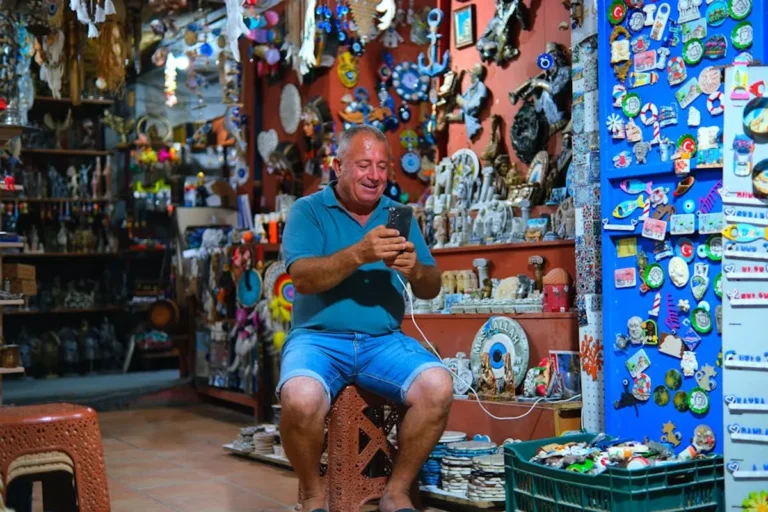
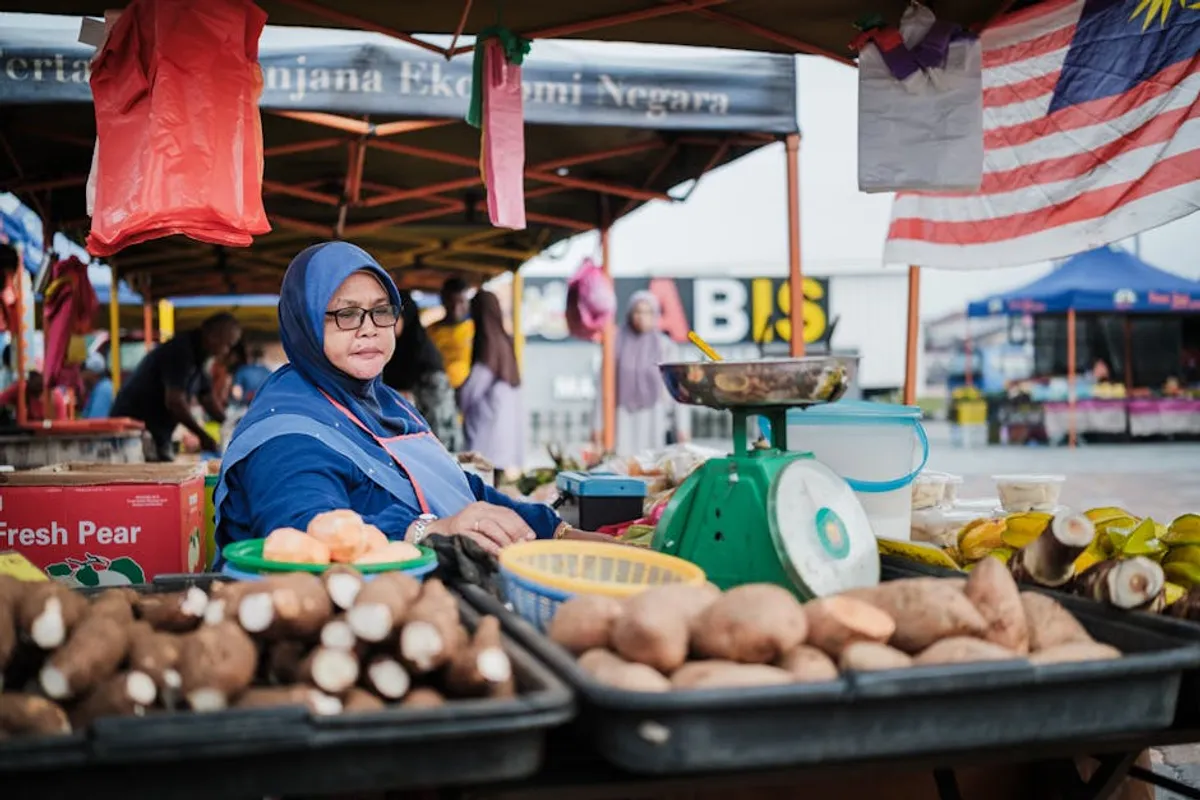
The contemporary traveler prioritizes immersion and authenticity over conventional sightseeing. This shift creates a significant opportunity for SEO professionals, marketers, and publishers to capture high-intent search traffic and drive commercial outcomes. Local market experiences, in particular, represent a rich vein of unique cultural interaction, culinary discovery, and artisanal craft that resonates deeply with this audience segment. Understanding the specific characteristics that define compelling market experiences abroad allows for targeted content creation, optimized search visibility, and the development of high-converting travel products or affiliate partnerships. Focusing on these distinct market types enables a strategic approach to content development, moving beyond generic travel guides to provide specific, valuable insights that meet evolving traveler expectations and search queries. Understanding the specific characteristics that define compelling market experiences abroad allows for targeted content creation, optimized search visibility, and ultimately, the success of finding local food experiences.
Identifying High-Value Local Market Experiences for Content Strategy
When evaluating local market experiences for inclusion in content or product offerings, prioritize elements that offer distinct commercial and SEO advantages. Authenticity is paramount; experiences that feel genuinely local, rather than staged for tourists, generate more engagement and authority. Look for markets rich in unique products, whether that’s regional produce, traditional crafts, or specialized goods not found elsewhere. Visual appeal is critical for social media and image-led content, making markets with vibrant displays, bustling activity, and photogenic vendors particularly valuable. Consider the potential for interactive elements, such as cooking demonstrations, craft workshops, or direct engagement with local artisans. Finally, assess the potential for commercial integration: can these experiences be packaged into tours, provide unique affiliate product opportunities, or serve as a basis for long-form content that drives conversions for related travel services?
1. Traditional Food Markets
Traditional food markets are epicenters of local culinary culture, offering an unvarnished glimpse into daily life and gastronomic heritage. These markets are characterized by a diverse array of fresh produce, meats, seafood, spices, and prepared foods, often sourced directly from local producers. The experience extends beyond mere shopping; it's an interactive environment where visitors can observe food preparation, sample regional delicacies, and interact with vendors who often have generations of knowledge about their products. They represent a fundamental aspect of cultural immersion, providing a sensory-rich environment that appeals to a broad travel audience.
Best for: Food tourism content, culinary tour operators, recipe developers, travel bloggers focusing on authentic experiences, and affiliate marketers promoting local food products or cooking classes.
Pros: High search volume for "street food," "local cuisine," and "food tours." Strong visual content potential for photography and video. Opportunities for direct affiliate partnerships with local vendors or tour providers. Provides a foundation for educational content on regional ingredients and cooking techniques. High potential for user-generated content.
Cons: Can be overwhelming for first-time visitors, requiring detailed guidance. Hygiene concerns might deter some travelers, necessitating careful vetting for tour operators. Seasonality affects produce availability, requiring content updates.
Verdict: Essential for any travel content strategy targeting authentic cultural and culinary experiences. Their inherent dynamism and sensory appeal make them highly engaging, driving both organic traffic and conversion opportunities through diverse content formats.
2. Artisan Craft Markets
Artisan craft markets showcase the handmade goods and traditional artistry of a region, ranging from textiles and pottery to jewelry and wood carvings. These markets often feature direct sales from the makers themselves, allowing visitors to learn about the production process, materials, and cultural significance behind each piece. The products are typically unique, often reflecting indigenous techniques or local folklore, making them desirable souvenirs or gifts. The atmosphere is generally more relaxed than food markets, focusing on discovery and appreciation of craftsmanship.
Best for: Cultural tourism, ethical shopping guides, luxury travel brands seeking unique product sourcing, content creators focused on sustainable travel, and affiliate partnerships with craft cooperatives.
Pros: High-value products for affiliate marketing. Strong narrative potential around individual artisans and traditional techniques. Appeals to travelers seeking unique, high-quality souvenirs. Excellent for visual content that highlights craftsmanship and cultural heritage. Supports local economies, enhancing brand reputation for responsible tourism.
Cons: Products can be expensive, limiting broad appeal. Authenticity can be difficult to verify without local knowledge, risking promotion of mass-produced items. Markets may be less frequent or seasonal, impacting content evergreen potential.
Verdict: A powerful niche for content creators and travel brands focused on cultural depth and ethical consumption. The storytelling potential around unique crafts and artisans offers a distinct advantage in building authority and engaging a discerning audience.
3. Flea Markets and Antiques Fairs
Flea markets and antiques fairs are treasure troves of vintage items, collectibles, pre-owned goods, and unique curiosities. These markets offer a sense of discovery and the thrill of finding a hidden gem, from antique furniture and retro clothing to rare books and quirky memorabilia. They often reflect historical trends and local tastes, providing a tangible connection to a destination's past. The experience is about browsing, haggling, and uncovering unexpected finds, appealing to those who enjoy a slower, more exploratory shopping pace.
Best for: Vintage fashion blogs, interior design content, history enthusiasts, budget travelers, and content creators focusing on sustainable shopping or upcycling.
Pros: Strong appeal for niche audiences interested in vintage, antiques, and sustainable consumption. Opportunities for unique product finds that can be featured in content. High potential for engaging visual content showcasing eclectic collections. Can generate content around local history and cultural artifacts. Often free or low-cost to enter, appealing to a wider audience.
Cons: Quality and authenticity of goods can vary significantly. Requires patience and a keen eye to find valuable items. Can be crowded and disorganized. Limited commercial integration beyond direct product features or general travel guides.
Verdict: Offers a distinct content angle for audiences seeking unique finds and historical connections. While direct monetization might be more challenging, the engagement potential from showcasing rare items and the thrill of discovery is high, driving organic traffic through specific search queries.
4. Farmers' Markets (with Unique Local Produce)
While common globally, farmers' markets abroad often feature produce, herbs, and specialty items unique to the local climate and agricultural practices. These markets connect visitors directly with growers, offering insights into regional farming methods and food traditions. Beyond fresh produce, many include local cheeses, baked goods, preserves, and artisanal products that highlight the distinct flavors of the area. The emphasis is on freshness, seasonality, and supporting local agriculture, providing an authentic taste of the region.
Best for: Culinary travel, health and wellness content, sustainable tourism, farm-to-table dining guides, and content promoting regional food specialties.
Pros: High relevance for foodies and health-conscious travelers. Excellent source for unique ingredients and regional recipes in content. Strong visual appeal with colorful displays of fresh produce. Opportunities for content on sustainable agriculture and local food systems. Can be integrated into cooking class tours or culinary workshops.
Cons: Highly seasonal, limiting year-round content opportunities for specific produce. Availability of truly unique items can vary by region. Less "exotic" than other market types for some travelers, requiring a strong narrative angle.
Verdict: A solid choice for content focused on authentic food experiences and sustainable travel. The direct connection to local agriculture and unique regional ingredients provides a compelling narrative that resonates with increasingly conscious travelers.
5. Night Markets
Night markets are vibrant, often sprawling affairs that come alive after dusk, typically found in Asia but growing in popularity elsewhere. They are characterized by an energetic atmosphere, a vast array of street food stalls, inexpensive goods, clothing, and entertainment. The experience is highly social, offering a different sensory dimension compared to daytime markets, with unique lighting, sounds, and aromas. They serve as cultural hubs where locals and tourists alike gather to eat, shop, and socialize.
Best for: Budget travel guides, street food reviews, cultural immersion content, nightlife recommendations, and visual storytelling through photography and video.
Pros: Extremely high visual appeal, particularly for video content and social media. Strong search interest for "night markets [city]" and "street food [destination]". Offers a wide range of affordable food and goods, appealing to a broad audience. Creates a unique and memorable cultural experience. Potential for affiliate links to local tours that include night market visits.
Cons: Can be very crowded, potentially overwhelming for some visitors. Quality of goods can be inconsistent. May pose challenges for clear photography due to low light. Hygiene concerns can be more pronounced for street food, requiring careful selection.
Verdict: A high-impact content opportunity due to their inherent vibrancy and popularity. Night markets offer a rich source of engaging visuals and authentic local experiences that drive significant organic traffic and user engagement, especially for food and cultural exploration content.
6. Floating Markets
Floating markets, predominantly found in Southeast Asia, are unique marketplaces where vendors sell goods from boats along rivers or canals. These markets offer a picturesque and culturally distinct shopping experience, often dating back centuries. Goods range from fresh produce and cooked meals to handicrafts and souvenirs, all exchanged from boat to boat. The experience is inherently scenic and provides a stark contrast to land-based markets, emphasizing a unique way of life tied to waterways.
Best for: Unique travel experiences, cultural heritage content, photography and videography, tour operators specializing in regional exploration, and content focused on specific Asian destinations.
Pros: Exceptionally high visual appeal, making them ideal for image-heavy content and video. Strong search interest for "floating markets [country/city]". Offers a truly unique cultural experience distinct from typical land markets. Can be easily integrated into boat tours, creating direct commercial opportunities. Provides rich historical and cultural narratives.
Cons: Geographically limited to specific regions, reducing broad applicability. Many have become heavily touristed, potentially diluting authenticity. Accessibility can be a challenge, requiring boat transport. Seasonality (e.g., rainy season) can impact the experience.
Verdict: While geographically specific, floating markets are a powerful draw for content seeking to highlight truly unique and visually stunning cultural experiences. Their distinctiveness drives high engagement and provides clear commercial avenues through tour promotion.
7. Spice and Herb Markets
Spice and herb markets are sensory wonders, characterized by vibrant colors, intoxicating aromas, and a vast array of exotic spices, dried herbs, teas, and medicinal plants. These markets often reflect ancient trade routes and culinary traditions, offering insights into the historical and cultural significance of spices in a region. Vendors are often knowledgeable, sharing information about origins, uses, and traditional remedies. The experience is about discovery, education, and engaging the senses.
Best for: Culinary tourism, health and wellness content, historical travel, content focused on specific regions (e.g., North Africa, Middle East, India), and affiliate sales of specialty spices.
Pros: High sensory appeal, making for engaging descriptive content. Strong narrative potential around historical trade, traditional medicine, and regional cuisine. Offers unique products for affiliate marketing (e.g., rare spices, tea blends). Appeals to audiences interested in cooking, wellness, and cultural history. Excellent for visual content showcasing colorful displays.
Cons: Products may be difficult to import due to customs regulations. Authenticity and quality can vary, requiring expertise to identify genuine items. Less broad appeal than food markets for general travelers. Can be crowded and intense.
Verdict: A niche but highly engaging market type for content focused on culinary depth, historical context, and wellness. The unique products and rich narratives provide strong SEO potential for specific, high-intent keywords.
8. Textile and Fabric Markets
Textile and fabric markets are a kaleidoscope of colors, patterns, and textures, showcasing the rich weaving, dyeing, and embroidery traditions of a region. These markets offer everything from raw fabrics and threads to ready-made garments, traditional costumes, and home decor items. Visitors can often observe artisans at work, learn about traditional techniques, and commission custom pieces. They provide deep insight into a culture's artistic expression, social customs, and economic life.
Best for: Fashion bloggers, cultural travel, ethical shopping, content focused on traditional crafts, and affiliate partnerships with local designers or fabric suppliers.
Pros: Exceptionally high visual appeal, perfect for fashion, design, and cultural content. Strong narrative potential around traditional craftsmanship and cultural identity. Opportunities for unique product sourcing and affiliate sales of textiles, clothing, or custom items. Appeals to audiences interested in fashion, art, and cultural heritage. Can be integrated into craft workshops or cultural tours.
Cons: Quality and pricing can vary widely, requiring careful navigation. Products may not appeal to all travelers. Can be overwhelming due to the sheer volume of choices. Authenticity of "handmade" claims needs verification.
Verdict: A visually compelling and culturally rich market type that offers significant content opportunities for fashion, design, and cultural travel. The potential for unique product features and storytelling around traditional crafts drives strong engagement and niche commercial value.
9. Flower Markets
Flower markets are vibrant, fragrant spectacles, brimming with fresh blooms, potted plants, and floral arrangements. These markets are often integral to local celebrations, religious ceremonies, and daily life, reflecting the cultural significance of flowers in a society. Beyond their aesthetic appeal, they offer insights into local horticulture, seasonal cycles, and the artistry of floristry. The atmosphere is typically serene and visually stunning, providing a peaceful contrast to more bustling market types.
Best for: Photography and visual content, romantic travel, gardening enthusiasts, cultural insights into local customs, and content focused on specific cities known for their flower markets.
Pros: Exceptionally high visual appeal, ideal for stunning photography and video content. Appeals to a broad audience interested in beauty, nature, and cultural aesthetics. Opportunities for content on local traditions, symbolism of flowers, and horticulture. Can be integrated into walking tours or photography workshops. Offers a serene and pleasant visitor experience.
Cons: Highly seasonal, impacting availability and variety. Limited direct commercial integration beyond general travel promotion. Less "active" or interactive than food or craft markets. Can be very early morning affairs, requiring specific planning.
Verdict: While offering fewer direct commercial pathways than other market types, flower markets are invaluable for their immense visual appeal and cultural significance. They provide stunning content that drives engagement and enhances the overall aesthetic of travel guides and destination features.
10. Fish Markets
Fish markets are dynamic, often boisterous environments where the day's fresh catch is sold directly from fishermen to consumers and restaurants. They offer a raw, authentic glimpse into coastal life and the local seafood industry. The sights, sounds, and smells are distinct, providing a powerful sensory experience. Visitors can observe a wide variety of local marine life, understand traditional fishing practices, and often find stalls preparing fresh seafood for immediate consumption. These markets are a key component of coastal culinary identity.
Best for: Seafood lovers, culinary travel, content focused on coastal destinations, sustainable fishing practices, and tour operators offering seafood tasting experiences.
Pros: Strong appeal for foodies and those interested in fresh seafood. Offers unique visual content showcasing diverse marine life and bustling activity. Provides insights into local economy and traditional livelihoods. Opportunities for content on sustainable fishing or regional seafood recipes. Can be integrated into cooking classes or seafood tours.
Cons: Can be very early morning affairs, requiring specific planning. Strong odors may deter some visitors. Hygiene concerns can be more pronounced. Less broad appeal than general food markets for some travelers.
Verdict: A compelling niche for content focused on coastal culture and seafood. The authenticity and sensory richness provide strong material for engaging content, particularly for culinary and experiential travel segments, driving traffic for specific food-related searches.
11. Book Markets
Book markets, whether permanent establishments or temporary fairs, are havens for bibliophiles, offering a vast selection of new, used, rare, and antique books. They often reflect a city's intellectual and literary heritage, with stalls specializing in local authors, historical texts, or specific genres. The experience is about discovery, browsing, and connecting with local literary culture. These markets provide a quieter, more contemplative atmosphere compared to other market types, appealing to a specific, engaged audience.
Best for: Literary travel, cultural tourism, content focused on intellectual pursuits, and specific city guides highlighting unique cultural institutions.
Pros: Appeals to a highly engaged niche audience of book lovers and academics. Opportunities for unique content on local authors, literary history, and rare finds. Provides a quieter, more reflective travel experience. Can be integrated into literary walking tours. Potential for affiliate links to online bookstores or rare book dealers.
Cons: Less visual dynamism compared to food or craft markets. Niche appeal limits broad commercial integration. Language barriers can be a significant challenge for non-native speakers. Products (books) can be heavy for travelers to transport.
Verdict: A valuable content opportunity for targeting a passionate, niche audience. While not as universally appealing as food markets, book markets offer deep cultural insights and strong engagement potential for literary and intellectual travel segments.
12. Christmas Markets
Christmas markets are festive, seasonal events, predominantly found in Europe, that transform town squares into magical winter wonderlands. They are characterized by charming wooden stalls selling handcrafted ornaments, seasonal treats, mulled wine, and traditional gifts. The atmosphere is celebratory, with twinkling lights, carols, and often ice skating or other winter activities. These markets are a significant cultural tradition, offering a unique blend of shopping, dining, and festive entertainment.
Best for: Winter travel guides, holiday season content, romantic getaways, family travel, and tour operators specializing in European winter itineraries.
Pros: Exceptionally high search volume and interest during the holiday season. Immense visual appeal, ideal for photography and video content. Strong emotional connection and festive atmosphere. Opportunities for affiliate sales of unique gifts and seasonal products. Can be easily integrated into multi-city European itineraries, creating high-value tour packages. High potential for user-generated content.
Cons: Highly seasonal, limiting year-round content. Can be extremely crowded, impacting the visitor experience. Prices for goods and food can be inflated. Requires specific winter travel planning and logistics.
Verdict: A commercially powerful seasonal market type with immense appeal and high search demand. Christmas markets offer a rich array of content opportunities, from gift guides to travel itineraries, driving significant traffic and conversion during a key travel period.
Leveraging Local Market Experiences in Your Content and Product Offerings
Successfully integrating local market experiences into your commercial strategy requires a multi-faceted approach. For content creation, focus on deep-dive articles, photo essays, and video tours that capture the market's unique atmosphere and offerings. Interview vendors to uncover compelling stories about their crafts or culinary traditions. Optimize content for long-tail keywords such as "authentic street food [city name]" or "handmade crafts [country region]," and utilize local SEO tactics, including location-specific schema markup. For product development, consider packaging market visits into curated tours that offer unique access or experiences, like cooking classes with market ingredients or craft workshops with local artisans. Monetization can come from affiliate links to specific local products (if available online), booking commissions for tours, or sponsored content partnerships with local tourism boards or market associations. Regularly analyze engagement metrics and conversion rates to refine your content and product offerings, ensuring they align with traveler interests and commercial goals.
Frequently Asked Questions About Local Market Experiences Abroad
How can I identify truly authentic local markets?
Look for markets primarily frequented by locals, often outside the main tourist zones. Observe the products being sold; if they cater predominantly to tourist souvenirs rather than daily needs, they may be less authentic. Engage with local guides or residents for recommendations, as they can point you to genuine community hubs.
What kind of content performs best for market experiences?
Visual content, such as high-quality photography and video tours, performs exceptionally well due to the sensory richness of markets. Story-driven content featuring individual vendors, traditional techniques, or the cultural significance of certain products also generates high engagement. Practical guides on "what to eat," "what to buy," and "how to navigate" are also highly valued by travelers.
Are local markets safe for travelers?
Generally, local markets are safe, vibrant community spaces. However, like any crowded area, it's wise to be aware of your surroundings and guard against petty theft. Research specific market reputations and follow local advice. Avoid flashing expensive belongings and keep valuables secure.
How can I monetize content about local markets?
Monetization strategies include affiliate marketing for unique local products (if available online), commissions from booking local tours or cooking classes that include market visits, display advertising on high-traffic content, and sponsored content partnerships with tourism boards, local businesses, or travel brands.
What are common challenges when featuring local markets?
Challenges can include seasonality affecting product availability, language barriers with vendors, varying levels of hygiene (especially for street food), and the potential for markets to become overly touristy, diminishing their authenticity. Addressing these challenges in content through practical tips and honest assessments