
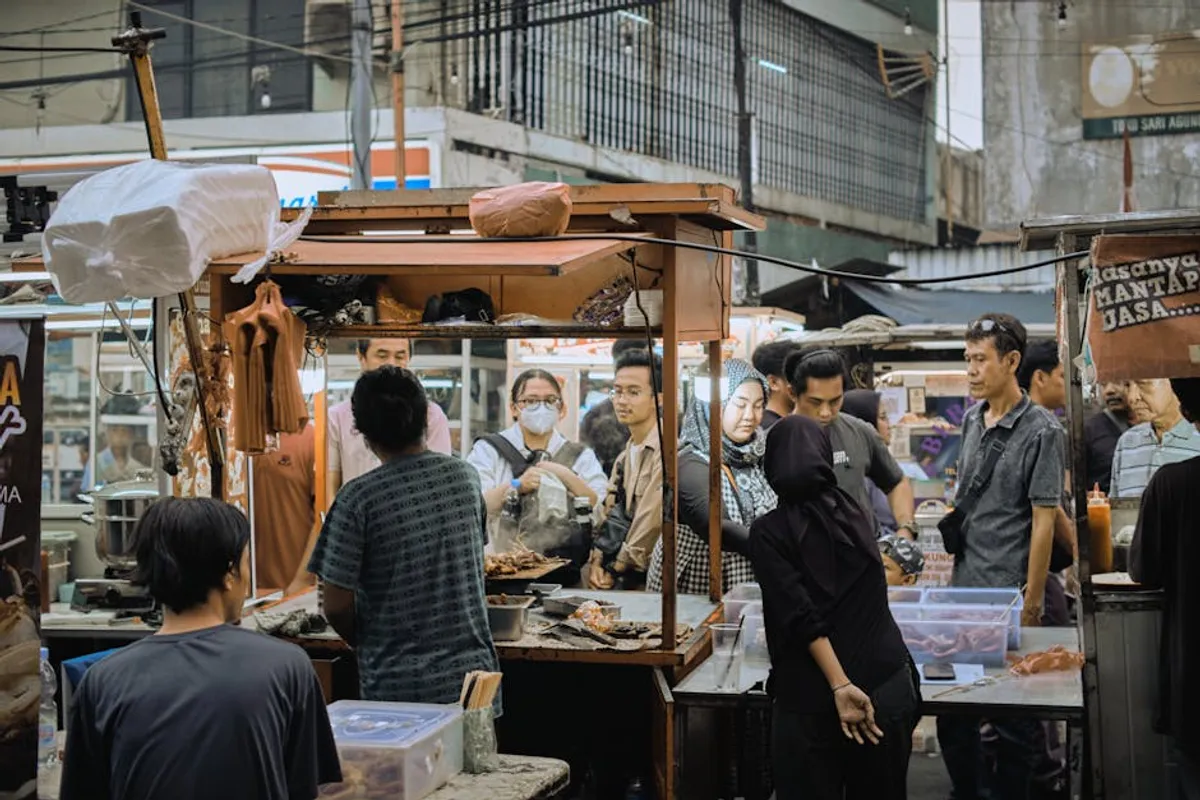
Planning a weekend getaway often involves more than just sightseeing; for many, the destination's culinary landscape is a primary draw. The ideal food city for a short trip combines accessibility, a distinct gastronomic identity, and enough diverse options to satisfy varying palates without requiring extensive travel within the city itself. This selection focuses on destinations that excel in offering unique, memorable dining experiences within a compact timeframe, ensuring that every meal contributes meaningfully to the trip's overall enjoyment. We prioritize cities where the food scene is not merely an afterthought but a central pillar of the local culture, providing authentic flavors, innovative concepts, and a tangible sense of place through its cuisine. If you're looking for the best street food cities, consider destinations that offer diverse and accessible options for quick, flavorful meals.
What to Look For in a Food City Weekend Trip
When selecting a food city for a weekend, several factors contribute to a successful and satisfying experience. Consider the culinary diversity: does the city offer a range of cuisines, or is it highly specialized? While a strong focus on a particular type of food can be a draw, a broader spectrum ensures more options for different meals. Accessibility is key for a short trip; cities with walkable downtowns or efficient public transportation minimize travel time between dining spots. Look for destinations where unique local specialties are easily found and celebrated, offering a taste of the region's heritage. Budget considerations are also important; some cities cater more to high-end dining, while others excel in affordable street food or mid-range options. Finally, the overall atmosphere—whether bustling, charming, or laid-back—should align with your preferred travel style, as it significantly impacts the dining environment.
1. New Orleans
New Orleans offers a distinct culinary identity rooted in Creole and Cajun traditions, making it an unparalleled destination for food-focused weekend trips. The city's food scene extends beyond iconic dishes like gumbo and jambalaya, encompassing vibrant street food, historic fine dining establishments, and a lively cocktail culture. Its compact, walkable French Quarter and Garden District allow for easy exploration of diverse eateries, from casual beignet stands to white-tablecloth institutions, often accompanied by live jazz. The emphasis on fresh, local ingredients and generations-old recipes provides an authentic gastronomic journey unlike any other U.S. city, appealing to those seeking both flavor and cultural immersion.
Best for: Travelers seeking a unique, culturally rich culinary experience with a focus on Southern, Creole, and Cajun flavors, alongside a vibrant nightlife.
Pros: Deeply ingrained culinary heritage; exceptional seafood; walkable historic districts; distinctive cocktail culture; diverse price points from street food to upscale.
Cons: Can be very humid and hot, especially in summer; popular areas can be crowded; some areas require caution after dark.
Verdict: New Orleans delivers an intense, memorable food weekend, best suited for those who appreciate robust flavors, historical ambiance, and a lively, festive atmosphere.
2. New York City
New York City presents an overwhelming breadth of culinary options, making it an ideal destination for food enthusiasts seeking unparalleled diversity within a single weekend. From Michelin-starred fine dining to authentic ethnic enclaves and innovative street food, the city caters to every palate and budget. Neighborhoods like Flushing for authentic Chinese, Jackson Heights for South Asian and Latin American, and the Lower East Side for classic Jewish delis offer concentrated culinary experiences. While vast, its efficient subway system allows for targeted exploration of specific food scenes, ensuring that even a short trip can yield a broad spectrum of dining adventures. The sheer volume of choices guarantees discovery, whether seeking a specific cuisine or an unexpected culinary gem.
Best for: Visitors prioritizing extreme culinary diversity, high-end dining experiences, and access to global cuisines in a dynamic urban setting.
Pros: Unrivaled variety of cuisines and price points; world-class fine dining; vibrant street food scenes; excellent public transportation for navigating food neighborhoods.
Cons: Can be expensive; requires careful planning to avoid decision fatigue; popular spots often require reservations well in advance; can feel overwhelming.
Verdict: New York City is the ultimate choice for those who desire an expansive culinary adventure, offering endless possibilities for discovery, provided they are prepared for the city's pace and cost.
3. Chicago
Chicago's food scene is characterized by its blend of iconic American comfort food and a sophisticated, innovative fine dining landscape. Beyond its famous deep-dish pizza and Chicago-style hot dogs, the city boasts a robust collection of Michelin-starred restaurants, particularly in neighborhoods like West Loop and River North. Its diverse ethnic communities contribute authentic flavors, from Polish sausages to Mexican taquerias. The city's grid layout and efficient public transit make navigating between distinct culinary districts relatively straightforward. Chicago offers a compelling balance of high-brow culinary artistry and approachable, hearty fare, making it suitable for a weekend trip that can encompass both gourmet experiences and classic American eats.
Best for: Those who appreciate a balance of classic American comfort food, innovative fine dining, and diverse ethnic eats, with a manageable urban footprint.
Pros: Excellent fine dining scene; iconic local specialties; diverse neighborhood dining; accessible public transportation; vibrant food festivals during warmer months.
Cons: Weather can be extreme, impacting walkability; some popular areas can be touristy; reservations are often essential for top restaurants.
Verdict: Chicago offers a substantial and satisfying food weekend, appealing to those who enjoy both culinary tradition and contemporary gastronomic trends within a dynamic city.
4. San Francisco
San Francisco stands out for its commitment to fresh, seasonal, and locally sourced ingredients, largely influenced by its proximity to fertile agricultural regions and the Pacific Ocean. The city is a hub for farm-to-table dining, innovative Californian cuisine, and exceptional seafood. Its diverse cultural fabric is reflected in vibrant enclaves like Chinatown, the Mission District (known for its burritos and Latin American food), and North Beach (Italian). While hilly, many key food areas are walkable, and public transport connects the rest. San Francisco provides a sophisticated yet approachable culinary experience, perfect for a weekend trip focused on quality ingredients, diverse flavors, and a health-conscious approach to dining.
Best for: Visitors seeking high-quality, seasonal, and sustainable dining, with a strong emphasis on seafood, Californian cuisine, and diverse ethnic influences.
Pros: Exceptional ingredient quality; strong farm-to-table movement; vibrant Asian and Latin American food scenes; beautiful scenic dining options.
Cons: High cost of living translates to expensive dining; hilly terrain can be challenging for walking; parking is difficult and costly.
Verdict: San Francisco delivers a refined and ingredient-focused food weekend, ideal for those who prioritize fresh, innovative cuisine and are prepared for premium pricing.
5. Portland, Oregon
Portland has cultivated a reputation as a haven for independent, innovative, and often quirky food establishments, making it an excellent choice for a weekend food trip focused on unique experiences. The city is particularly renowned for its extensive and diverse food truck scene, offering a global array of cuisines at accessible price points. Beyond the carts, Portland excels in craft beer, coffee, and a strong emphasis on local, seasonal Pacific Northwest ingredients in its restaurants. Its compact, bike-friendly layout and distinct neighborhoods like the Pearl District and Hawthorne make exploration easy. Portland offers a relaxed, unpretentious, yet highly creative culinary environment, perfect for those who enjoy discovering hidden gems and supporting local artisans.
Best for: Travelers seeking innovative, independent, and often casual dining experiences, with a strong emphasis on food trucks, craft beverages, and Pacific Northwest flavors.
Pros: Extensive and diverse food truck scene; strong craft beer and coffee culture; innovative independent restaurants; emphasis on local ingredients; generally more affordable than larger coastal cities.
Cons: Can be rainy and overcast, especially outside of summer; fine dining options are less prevalent than in other major cities; some areas lack robust public transportation.
Verdict: Portland offers a distinctly laid-back and creative food weekend, ideal for those who value culinary innovation and a vibrant, unpretentious local scene.
6. Austin, Texas
Austin has evolved into a dynamic food destination, largely driven by its world-class barbecue, vibrant Tex-Mex scene, and burgeoning array of food trucks. The city's culinary identity is deeply intertwined with its casual, live-music-infused culture, making for a relaxed yet flavorful experience. Beyond the iconic brisket and breakfast tacos, Austin's food scene also encompasses innovative New American restaurants and a growing interest in global cuisines. Its layout, while sprawling in some areas, features concentrated food districts like South Congress and East Austin that are easily navigable. Austin delivers a distinctly Texan food weekend, characterized by bold flavors, a lively atmosphere, and a strong sense of local pride in its culinary offerings.
Best for: Visitors prioritizing exceptional barbecue, authentic Tex-Mex, and a lively, casual food scene with a strong independent spirit and live music backdrop.
Pros: Unrivaled barbecue scene; excellent Tex-Mex and breakfast tacos; vibrant food truck culture; lively atmosphere; generally good value for money.
Cons: Can get very hot, particularly in summer; popular BBQ spots often require long waits; traffic can be an issue; fine dining is less prominent than casual options.
Verdict: Austin provides a robust and flavorful food weekend, perfect for those who appreciate hearty, iconic regional cuisine and a vibrant, energetic urban environment.
7. Miami
Miami's food scene is a vibrant reflection of its rich Latin American and Caribbean influences, making it a unique destination for a weekend culinary exploration. The city excels in Cuban cuisine, with iconic dishes like Cuban sandwiches, empanadas, and cafecitos found throughout Little Havana. Beyond Cuban, Miami offers a broad spectrum of Latin American flavors, fresh seafood, and an increasingly sophisticated fine dining scene, particularly in areas like South Beach and Wynwood. The tropical climate allows for outdoor dining year-round, adding to the city's appeal. Miami provides a colorful, energetic, and distinctly international food experience, ideal for those seeking bold flavors and a lively atmosphere.
Best for: Travelers seeking vibrant Latin American and Caribbean flavors, fresh seafood, and a lively, energetic dining scene with a tropical ambiance.
Pros: Exceptional Cuban and Latin American cuisine; abundant fresh seafood; vibrant nightlife and dining scene; year-round outdoor dining; diverse neighborhoods for culinary exploration.
Cons: Can be expensive, especially in tourist-heavy areas; traffic can be challenging; summer months are very hot and humid; some areas are less walkable.
Verdict: Miami offers an exciting and flavorful food weekend, particularly for those who enjoy tropical vibes, bold international flavors, and a dynamic social scene.
8. Charleston, South Carolina
Charleston offers a refined take on Southern cuisine, deeply rooted in its Lowcountry heritage and coastal location. The city's food scene is characterized by its emphasis on fresh seafood, locally sourced ingredients, and a blend of traditional recipes with contemporary culinary techniques. Dishes like shrimp and grits, she-crab soup, and oyster roasts are staples. Charleston's historic downtown is highly walkable, allowing visitors to easily explore its charming streets and discover a range of dining options, from casual oyster bars to elegant fine dining establishments. The city provides a sophisticated yet comforting culinary experience, perfect for a weekend trip focused on gracious hospitality and authentic regional flavors.
Best for: Visitors seeking refined Southern and Lowcountry cuisine, fresh seafood, and a charming, historic ambiance with a focus on hospitality.
Pros: Excellent Lowcountry cuisine and fresh seafood; charming, walkable historic district; strong emphasis on local ingredients; gracious hospitality; diverse dining options from casual to upscale.
Cons: Can be hot and humid, especially in summer; popular restaurants often require reservations; less culinary diversity compared to larger metropolitan areas; can be pricey.
Verdict: Charleston delivers an elegant and deeply satisfying food weekend, ideal for those who appreciate Southern charm, refined regional dishes, and a relaxed pace.
9. Montreal, Quebec
Montreal's food scene offers a distinct European flair combined with robust Canadian traditions, making it an accessible international food destination for a weekend trip. The city is famous for its poutine, smoked meat sandwiches, and bagels, but also boasts a sophisticated fine dining landscape influenced by French culinary techniques. Its vibrant neighborhoods, such as the Plateau Mont-Royal, Mile End, and Old Montreal, are highly walkable and packed with diverse eateries, from cozy bistros to bustling markets. The bilingual culture adds to the unique dining experience. Montreal provides a charming and flavorful food weekend, perfect for those seeking a taste of European gastronomy without the transatlantic flight.
Best for: Travelers seeking a blend of French-inspired fine dining, iconic local specialties (poutine, smoked meat), and a distinct European atmosphere within North America.
Pros: Unique blend of French and Canadian cuisine; excellent bagels and poutine; vibrant, walkable neighborhoods; strong fine dining scene; accessible international destination.
Cons: Winters can be very cold; language barrier can be a minor issue in some areas; popular spots can be crowded; some areas are less accessible by public transport.
Verdict: Montreal offers a charming and culturally rich food weekend, ideal for those who appreciate European culinary influences and a lively, distinct urban environment.
10. Mexico City, Mexico
Mexico City is a sprawling metropolis that offers an incredibly rich and diverse culinary landscape, making it an exhilarating choice for a weekend food trip for the adventurous palate. The city is a global capital for street food, with countless taquerias, tamale vendors, and esquite stands providing authentic and affordable flavors. Beyond street food, Mexico City boasts a burgeoning fine dining scene that reinterprets traditional Mexican ingredients and techniques. Neighborhoods like Roma Norte and Condesa offer trendy cafes and upscale restaurants, while areas like Coyoacán retain a more traditional, vibrant market feel. Its efficient metro system allows for exploration across its vast culinary offerings. Mexico City provides an immersive, intense, and deeply authentic food experience.
Best for: Adventurous eaters seeking authentic, diverse, and often affordable Mexican cuisine, from world-class street food to innovative fine dining, in a vibrant cultural setting.
Pros: Unrivaled street food scene; exceptional authentic Mexican cuisine; burgeoning fine dining; vibrant markets; generally affordable; rich cultural experience.
Cons: Very large city, can be overwhelming; traffic can be significant; altitude sickness can affect some visitors; food safety concerns for some street vendors.
Verdict: Mexico City delivers an unparalleled and deeply authentic food weekend, best suited for those who embrace culinary exploration and a bustling, culturally rich urban environment.
11. Seattle, Washington
Seattle's food scene leverages its Pacific Northwest location, offering exceptional seafood, a strong coffee culture, and a growing influence from Asian cuisines. Pike Place Market serves as an iconic hub for fresh produce, fish, and artisanal goods, providing a tangible sense of the region's bounty. The city excels in salmon, oysters, and other local catches, complemented by innovative Pacific Rim and Asian fusion restaurants, particularly in areas like the International District. Seattle's compact downtown and efficient public transport (including light rail) make it easy to navigate its culinary offerings. It presents a sophisticated yet approachable food weekend, ideal for those who appreciate fresh, high-quality ingredients and a relaxed urban atmosphere.
Best for: Visitors seeking fresh seafood, a strong coffee culture, and diverse Asian-influenced cuisine, with a focus on local ingredients and a relaxed Pacific Northwest vibe.
Pros: Exceptional fresh seafood; world-renowned coffee scene; strong Asian culinary influence; beautiful waterfront dining; walkable downtown core.
Cons: Can be rainy for much of the year; dining can be expensive; hills can be challenging for walking; traffic can be heavy during peak hours.
Verdict: Seattle offers a fresh and refined food weekend, best for those who enjoy seafood, artisanal coffee, and a blend of Pacific Northwest and Asian flavors.
12. Nashville, Tennessee
Nashville's culinary identity is synonymous with its vibrant music scene, offering a distinctive blend of Southern comfort food, particularly its famous hot chicken, and a burgeoning array of modern American restaurants. Beyond the iconic fried chicken, the city excels in barbecue, meat-and-three establishments, and classic Southern dishes. Neighborhoods like The Gulch and 12 South feature trendy eateries and cafes, while areas closer to downtown offer more traditional fare. Nashville provides a lively, energetic food weekend that combines hearty, flavorful regional cuisine with a thriving cultural backdrop. It's an ideal destination for those who appreciate robust flavors and a festive atmosphere.
Best for: Travelers seeking hearty Southern comfort food, particularly hot chicken and barbecue, in a city with a lively music and cultural scene.
Pros: Iconic hot chicken and barbecue; excellent Southern comfort food; vibrant live music and nightlife; growing modern American dining scene; generally good value.
Cons: Can be very hot and humid in summer; popular spots can have long waits; fine dining options are less prevalent than casual; traffic can be significant.
Verdict: Nashville delivers a robust and entertaining food weekend, perfect for those who enjoy bold Southern flavors, a