
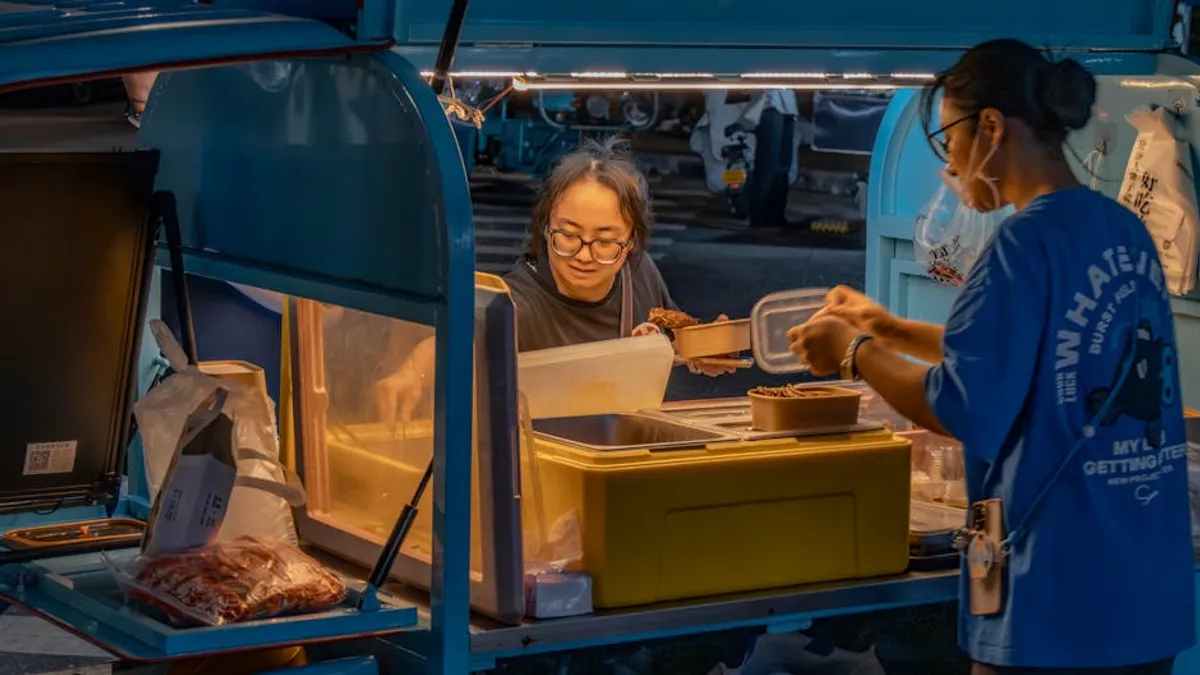
For any traveler, the pursuit of authentic local cuisine often leads directly to street food. It represents a city's culinary soul, offering immediate insights into culture, ingredients, and local life. For content creators and publishers, understanding what makes a street food destination truly exceptional is critical for targeting specific travel segments and delivering high-value information. This analysis focuses on cities that consistently deliver a superior street food experience, considering factors beyond mere taste: accessibility, diversity, authenticity, value, and the overall immersive experience for hungry travelers.
What Defines a Premier Street Food City
Identifying a top-tier street food destination involves evaluating several key criteria that collectively shape the traveler's experience. First, diversity and depth are paramount; a city should offer a wide array of dishes representing various regional specialties and culinary traditions, not just a few popular staples. This indicates a vibrant, evolving food scene. Second, authenticity and local integration are crucial; the food should be prepared and consumed by locals, reflecting genuine cultural practices rather than being solely a tourist attraction. This often correlates with traditional preparation methods and generational recipes. Third, accessibility and prevalence mean street food is readily available across different neighborhoods, at various times, and often at competitive price points. This eases discovery and encourages frequent engagement. Fourth, hygiene standards, while often perceived as variable in street food, are a significant differentiator. Cities with generally cleaner practices or designated food zones enhance traveler confidence. Finally, the overall atmosphere and cultural immersion contribute significantly; the buzz of a night market, the communal experience of sharing a meal on a plastic stool, or the sensory overload of spices and sounds all elevate the experience beyond just eating.
1. Bangkok, Thailand
Bangkok's street food scene is characterized by its pervasive accessibility and dynamic vendor ecosystem, offering an unparalleled diversity of regional Thai specialties from morning to late night. Its commercial appeal lies in the sheer volume and competitive pricing, making it a high-volume, low-cost culinary adventure. From the bustling lanes of Chinatown (Yaowarat) to the localized stalls of Sukhumvit and the boat noodles of Victory Monument, the city functions as a sprawling, open-air restaurant. Vendors specialize in a narrow range of dishes, achieving mastery through repetition and fresh, daily ingredients.
Best for: Authenticity seekers, budget-conscious gourmands, and those desiring continuous culinary exploration.
Pros: Exceptional variety spanning sweet, sour, spicy, and savory; high density of vendors ensures constant availability; unparalleled value for money; deep cultural immersion through communal dining experiences.
Cons: Hygiene standards can vary significantly between stalls; navigation can be challenging for first-time visitors due to sheer scale; language barriers may complicate ordering specific dish modifications.
Verdict: Bangkok remains the benchmark for street food, offering an overwhelming, yet rewarding, experience that defines the genre. Its sheer scale and authenticity are unmatched.
2. Mexico City, Mexico
Mexico City presents a street food landscape rich in pre-Hispanic culinary traditions blended with colonial influences, resulting in an intricate tapestry of flavors. Tacos al pastor, quesadillas, tlacoyos, and esquites are staples, each prepared with regional variations and often served from mobile carts or fixed stands known as "puestos." The scene thrives on fresh, often handmade ingredients and a deep reverence for traditional recipes. The city's vastness means distinct culinary micro-regions exist, each with its own specialties, encouraging deep exploration.
Best for: Culinary historians, taco aficionados, and travelers seeking vibrant, savory flavors with a strong cultural narrative.
Pros: Profound depth of traditional dishes; high quality of fresh, local ingredients, especially corn-based products; strong sense of community around popular stalls; excellent value for the quality provided.
Cons: Some areas may present hygiene challenges for sensitive stomachs; navigating the vast array of options can be daunting without local guidance; limited vegetarian options at some traditional stalls.
Verdict: Mexico City offers an endlessly rewarding street food journey, prioritizing flavor and tradition. It's a destination that demands multiple visits to truly appreciate its breadth.
3. Singapore
Singapore's street food, primarily found in its meticulously organized hawker centers, represents a unique blend of Chinese, Malay, Indian, and Peranakan culinary traditions. These centers are government-regulated, ensuring high hygiene standards while preserving the affordability and communal spirit of street dining. Dishes like Hainanese chicken rice, laksa, char kway teow, and satay are elevated to an art form, with many stalls achieving Michelin recognition. The structured environment offers a comfortable entry point for travelers less accustomed to traditional street settings.
Best for: Travelers prioritizing hygiene and variety in a structured environment; those interested in diverse Asian culinary influences.
Pros: Exceptionally high hygiene standards across all hawker centers; unparalleled diversity of Asian cuisines in one location; air-conditioned comfort in many centers; clear pricing and English menus widely available.
Cons: Lacks the spontaneous, chaotic charm of traditional street food markets; can feel less "authentic" to some due to the regulated environment; peak hours can lead to long queues at popular stalls.
Verdict: Singapore delivers a polished, accessible, and high-quality street food experience, making it an ideal entry point for discerning travelers. It redefines the concept of street food with its organized efficiency.
4. Marrakech, Morocco
The street food scene in Marrakech centers primarily around Djemaa el-Fna square, which transforms nightly into an expansive open-air restaurant. Here, vendors set up temporary stalls offering a sensory overload of tagines, harira soup, grilled meats, snail soup, and various pastries. The experience is as much about the theatrical presentation and communal dining as it is about the food itself. Beyond the square, smaller, more local stalls offer specialties like tangia (slow-cooked lamb) and various msemen (flatbreads).
Best for: Experiential travelers, those seeking atmospheric dining, and lovers of North African flavors.
Pros: Highly immersive and atmospheric dining experience, especially in Djemaa el-Fna; unique cultural interaction with vendors and fellow diners; strong emphasis on traditional Moroccan flavors and cooking methods.
Cons: Can be overwhelming for some travelers due to the crowds and persistent hawkers; hygiene can be a concern in some areas; limited variety outside of traditional Moroccan fare.
Verdict: Marrakech offers a street food experience deeply intertwined with its cultural identity, providing an unforgettable, albeit intense, culinary adventure. It's a must for those who prioritize atmosphere.
5. Ho Chi Minh City, Vietnam
Ho Chi Minh City's street food is characterized by its freshness, aromatic herbs, and the pervasive presence of vendors on nearly every street corner. From the iconic pho and banh mi to lesser-known regional dishes like banh xeo (sizzling pancake) and com tam (broken rice), the city offers a continuous culinary journey. The French colonial influence is evident in items like banh mi, while the use of fresh herbs and dipping sauces defines the vibrant Vietnamese palate. Dining on low plastic stools directly on the pavement is a quintessential experience.
Best for: Fresh ingredient enthusiasts, lovers of aromatic and herbaceous flavors, and those seeking a bustling urban street food environment.
Pros: Exceptionally fresh ingredients and vibrant flavors; very affordable pricing across the board; high density of vendors making food easily accessible; strong emphasis on local culinary traditions.
Cons: Traffic and noise can be intense, impacting the dining experience; hygiene standards vary significantly; limited seating often means dining directly on pavements.
Verdict: Ho Chi Minh City delivers a dynamic, flavorful, and incredibly authentic street food experience that is both affordable and deeply engaging. It's a city where every meal is an adventure.
6. Palermo, Italy
Palermo's street food scene is a robust reflection of its diverse historical influences, from Arab to Norman, resulting in unique and hearty offerings. The city's markets, such as Ballarò and Vucciria, are the epicenters, where vendors serve staples like arancine (fried rice balls), panelle (chickpea fritters), sfincione (thick-crust pizza), and the more adventurous pane ca' meusa (spleen sandwich). The focus is on robust flavors, local ingredients, and dishes that have sustained Sicilians for centuries. It's a less polished, more visceral experience than other European cities.
Best for: Adventurous eaters, lovers of rich, fried foods, and those interested in a distinct regional Italian culinary identity.
Pros: Deeply rooted in Sicilian history and culture; unique dishes not commonly found elsewhere in Italy; vibrant market atmospheres; excellent value for substantial portions.
Cons: Some dishes are highly specific and may not appeal to all palates (e.g., organ meats); hygiene can be variable, particularly in busy market areas; limited options for light, fresh fare.
Verdict: Palermo offers a raw, authentic, and historically rich street food journey that challenges and delights in equal measure. It's essential for those seeking a truly unique Italian experience.
7. Tokyo, Japan
While Tokyo is renowned for its Michelin-starred restaurants, its street food scene, particularly around festivals (matsuri) and specific market areas like Tsukiji Outer Market and Ameya-Yokocho, offers a different, equally compelling culinary narrative. Specialties include takoyaki (octopus balls), yakitori (grilled skewers), taiyaki (fish-shaped cakes), and various ramen stalls. The emphasis is on precision, high-quality ingredients, and often, a surprising level of refinement even in casual settings. Hygiene standards are consistently high across the board.
Best for: Quality-conscious travelers, those interested in precise culinary execution, and fans of Japanese comfort food.
Pros: Exceptionally high hygiene standards; focus on quality ingredients and meticulous preparation; wide array of savory and sweet options; efficient and polite service.
Cons: Street food is less pervasive than in other Asian cities, often concentrated in specific areas or during events; can be more expensive than typical street food elsewhere; limited seating options are common.
Verdict: Tokyo's street food offers a refined, high-quality experience, though it requires more deliberate seeking. It showcases Japan's culinary precision in an accessible format.
8. Seoul, South Korea
Seoul's street food is characterized by its bold flavors, often spicy and savory, and its role as a social experience. Popular spots like Myeongdong and Gwangjang Market overflow with vendors offering tteokbokki (spicy rice cakes), kimbap (seaweed rice rolls), odeng (fish cakes), and various fried snacks (twigim). The scene is dynamic, with new trends emerging constantly, alongside deeply traditional items. It's particularly vibrant in the evenings, serving as a popular post-work or late-night snack option.
Best for: Enthusiasts of spicy and savory flavors, social diners, and those interested in a dynamic, trend-aware food scene.
Pros: Wide variety of distinctive, bold flavors; strong social aspect to dining; generally good hygiene standards, especially in popular markets; excellent for late-night snacking.
Cons: Can be very spicy for unaccustomed palates; some areas are heavily geared towards tourists, impacting authenticity; limited seating is common, requiring standing or eating on the go.
Verdict: Seoul offers a lively and flavorful street food experience that is both socially engaging and gastronomically exciting. It's a must for those who appreciate bold, comforting flavors.
9. Istanbul, Turkey
Istanbul's street food reflects its position at the crossroads of Europe and Asia, blending Ottoman, Middle Eastern, and Mediterranean influences. Simit (sesame bread rings), balik ekmek (fish sandwich), midye dolma (stuffed mussels), and kokoreç (spiced lamb intestines) are ubiquitous. The city's street food is integral to daily life, offering quick, affordable, and deeply satisfying meals. Vendors are often specialized, focusing on perfecting one or two items, ensuring consistent quality and flavor.
Best for: Explorers of fusion cuisines, lovers of savory breads and grilled meats, and those seeking historical culinary connections.
Pros: Rich historical and cultural context for its cuisine; highly affordable and widely available; distinct and comforting flavors; strong sense of authenticity and local patronage.
Cons: Some dishes, like kokoreç, are adventurous and may not appeal to all; hygiene can be inconsistent outside of established, high-traffic areas; limited vegetarian options in traditional stalls.
Verdict: Istanbul delivers a robust, flavorful, and historically significant street food experience that is deeply embedded in the city's fabric. It's a journey through centuries of culinary exchange.
10. Lima, Peru
Lima's street food scene is a testament to Peru's status as a global culinary powerhouse, offering a more refined and often fusion-oriented approach to street dining. While not as overtly pervasive as in some Asian cities, specialties like anticuchos (grilled beef heart skewers), salchipapas (fries with hot dogs), and various empanadas are popular. The emphasis is on fresh, high-quality ingredients and often unique flavor combinations, reflecting Peru's diverse ecosystems and immigrant populations. Ceviche, while often found in dedicated restaurants, sometimes appears in more casual, street-side settings.
Best for: Culinary adventurers, those seeking unique South American flavors, and travelers interested in emerging street food trends.
Pros: High quality of ingredients, particularly fresh produce and seafood; unique flavor profiles due to diverse culinary influences; often a more gourmet take on street food; relatively good hygiene in established areas.
Cons: Less ubiquitous and spontaneous than in other top street food cities; can be slightly more expensive than typical street food; some dishes might be an acquired taste for international palates.
Verdict: Lima offers a sophisticated and evolving street food experience that showcases Peru's innovative culinary spirit. It's a destination for those who appreciate quality and unique flavor combinations.
11. New Orleans, USA
New Orleans boasts a street food culture deeply rooted in its Creole and Cajun heritage, distinct from other American cities. While not as focused on mobile vendors as in Asia, its "street food" manifests in casual, walk-up establishments and festivals. Po'boys (sandwiches), beignets (fried dough), gumbo, jambalaya, and oysters on the half shell are iconic. The food is rich, flavorful, and often incorporates seafood, reflecting the city's proximity to the Gulf of Mexico. The emphasis is on comfort, tradition, and bold seasoning.
Best for: Lovers of rich, soulful comfort food, seafood enthusiasts, and those seeking a distinct regional American culinary identity.
Pros: Unique and deeply flavorful regional cuisine; strong cultural connection to the food; vibrant atmosphere, especially during festivals; readily available and generally affordable.
Cons: Less emphasis on true mobile street vendors; portions can be very large and rich, potentially overwhelming; limited options for lighter, healthier fare.
Verdict: New Orleans offers a distinctive and deeply satisfying street food experience, defined by its rich history and unique flavors. It's a destination for those who crave hearty, soulful dishes.
12. Rome, Italy
Rome's street food scene, while perhaps less globally recognized than its sit-down restaurants, is robust and deeply integrated into daily life. Pizza al taglio (pizza by the slice), supplì (fried rice balls), trapizzino (pizza pocket sandwiches), and porchetta (roasted pork sandwich) are widely available. The focus is on simple, high-quality ingredients and traditional Roman preparations. It offers a convenient and affordable way to experience authentic Roman flavors, particularly for those on the go. The food is comforting, familiar, and consistently satisfying.
Best for: Casual diners, lovers of Italian classics in a convenient format, and those seeking quick, authentic Roman bites.
Pros: High quality of essential ingredients; incredibly convenient and affordable for quick meals; deep connection to traditional Roman cuisine; easy to find across the city.
Cons: Less variety compared to other top street food cities; can be less adventurous for some palates; often lacks dedicated seating, requiring eating on the go.
Verdict: Rome provides a reliable and delicious street food experience, perfect for those who want to savor authentic Italian flavors without the formality of a restaurant. It's a testament to the enduring appeal of simple, well-made food.
Evaluating Street Food Destinations for Your Audience
When considering which street food destinations resonate most with a particular audience, a granular approach is essential. Beyond general appeal, analyze specific demographic and psychographic segments. For example, budget travelers prioritize destinations like Bangkok or Ho Chi Minh City due to their exceptional value proposition. Luxury travelers might seek the refined offerings of Singapore or Tokyo, where hygiene and quality are paramount. Adventure seekers might gravitate towards Palermo or Marrakech for unique culinary challenges and immersive cultural experiences. Consider the ease of navigation, language barriers, and dietary restrictions relevant to your target group. Highlighting specific dishes, market atmospheres, and practical travel tips (e.g., best times to visit, payment methods) adds tangible value. The commercial utility lies in understanding these nuances to create targeted content that addresses specific traveler needs and expectations, driving engagement and conversion for travel-related services.
Frequently Asked Questions About Street Food Travel
How can I ensure food safety when eating street food?
Prioritize stalls with high turnover, indicating fresh ingredients. Observe cleanliness of the stall and utensils. Look for vendors who cook food to order and ensure it's served hot. Bottled water is always advisable. In cities like Singapore, hawker centers offer regulated environments for higher confidence.
What is the best way to pay for street food?
Cash, particularly small denominations of local currency, is almost universally accepted. Some larger or more modern stalls, especially in cities like Singapore or Seoul, may accept mobile payments or cards, but cash remains king for most street vendors.
Are there vegetarian or vegan options available?
Availability varies significantly by city and cuisine. Indian street food (e.g., Mumbai) is often rich in vegetarian options. In Southeast Asia, asking for "no meat" or "no fish sauce" can yield results, though cross-contamination is possible. Researching specific dishes beforehand or learning key phrases in the local language can be helpful.
How do I find the best street food stalls?
Look for queues of locals – this is often the strongest indicator of quality and authenticity. Online food blogs, local guides, and food tours can also provide excellent recommendations. Don't be afraid to wander and explore, as some of the best finds are unexpected.
Is street food suitable for families with children?
Many street food scenes are family-friendly, offering a wide array of flavors and experiences. Cities with cleaner, more organized environments like Singapore are often ideal. For younger children, look for milder dishes and ensure proper hygiene. The lively atmosphere can be an exciting experience for kids.