Navigating a destination like Tulum requires more than just a list of attractions; it demands a strategic approach to planning, budgeting, and experience curation. This guide offers a framework for understanding Tulum's unique appeal, from its ancient Mayan ruins to its eco-chic beach scene, ensuring visitors can tailor a trip that aligns with their specific interests and expectations. The goal is to provide actionable insights that move beyond superficial recommendations, focusing instead on practical considerations that shape a memorable and efficient travel experience.
Strategic Planning for Your Tulum Experience
Effective travel planning for Tulum begins with a clear understanding of what you seek from the destination. Tulum is not a monolithic experience; it offers distinct facets catering to different traveler profiles. Identifying your priorities early on will streamline decisions regarding accommodation, activities, and budget.
Defining Your Travel Persona
Before booking, consider your primary motivations. Are you seeking historical immersion, beachfront luxury, ecological adventure, or a vibrant culinary scene? Tulum offers a spectrum:
- Cultural Explorer: Focus on the Tulum ruins, Coba, and nearby cenotes with historical significance. Consider staying in Tulum Pueblo for easier access to local life and traditional cuisine.
- Eco-Conscious Adventurer: Prioritize cenote tours, Sian Ka'an Biosphere Reserve excursions, and stays in eco-friendly cabanas. Look for operators emphasizing sustainable practices.
- Relaxation Seeker: The Hotel Zone's beachfront properties offer direct beach access, wellness retreats, and upscale dining. Expect a higher price point and a more curated, tranquil experience.
- Social & Culinary Enthusiast: Explore the diverse restaurants and bars in both the Pueblo and Hotel Zone. Many establishments host events, DJ sets, and tasting menus.
Understanding this distinction helps in filtering the overwhelming amount of information and aligning expectations with reality.
Budgeting and Logistics: Beyond the Instagram Feed
Tulum's reputation as a high-end destination is well-earned, particularly in the beach zone. However, strategic budgeting can make the experience accessible across different price points. Accommodation is often the largest variable. Beachfront hotels command premium rates, while options in Tulum Pueblo or more inland offer significant savings without sacrificing quality or access.
Transportation costs also vary. Renting a car provides maximum flexibility for exploring ruins and cenotes outside the immediate town, but taxis and colectivos (shared vans) are viable for shorter distances. Factor in daily activity costs, which can range from modest cenote entrance fees to higher-priced guided tours or private excursions. Dining also presents a spectrum, from affordable local eateries in the Pueblo to high-concept restaurants in the Hotel Zone, where prices rival major international cities.
Pro Tip: Book accommodations and popular tours well in advance, especially during peak season (December to April). Many sought-after eco-lodges and cenote experiences have limited capacity, and last-minute bookings often mean higher prices or unavailability. This is particularly true for unique stays or private cenote access.
Navigating Tulum's Core Attractions and Experiences
Tulum's appeal lies in its blend of natural beauty, ancient history, and modern amenities. A balanced itinerary incorporates elements from each category.
Cenotes and Mayan Ruins: Cultural Immersion
The region is dotted with thousands of cenotes, natural sinkholes filled with clear freshwater. Each offers a distinct experience. Gran Cenote is popular for snorkeling due to its open-air sections and cave formations. Cenote Dos Ojos provides an extensive cave diving and snorkeling experience, often requiring a guide for deeper exploration. For a less crowded option, consider Cenote Azul or Cenote Cristal, which are more open and offer opportunities for cliff jumping or simply relaxing by the water. Researching specific cenotes based on desired activity (swimming, snorkeling, diving) and crowd levels is crucial.
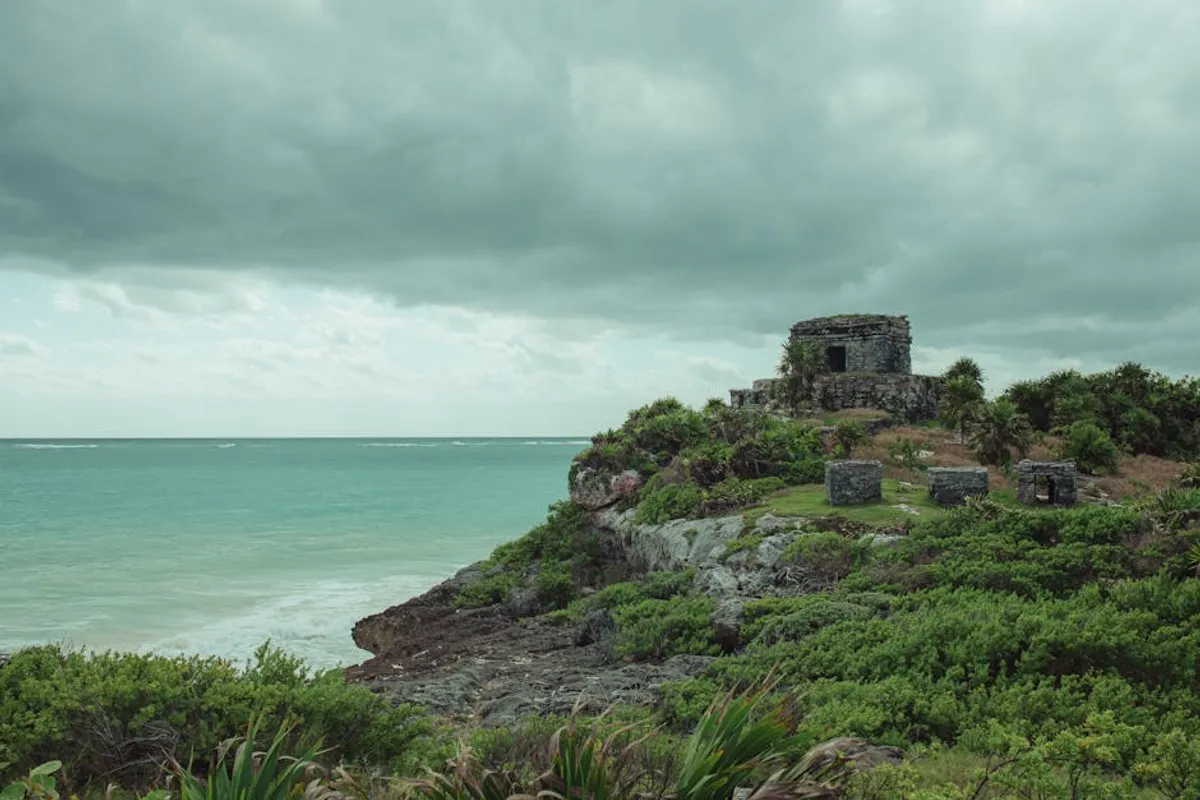
The Tulum Mayan Ruins, perched on a cliff overlooking the Caribbean Sea, offer a unique historical perspective. Arrive early to avoid crowds and the intense midday sun. Beyond Tulum, the Coba ruins provide a different experience, allowing visitors to rent bikes and explore a larger, jungle-shrouded site, including the opportunity to climb the Nohoch Mul pyramid (check current regulations as access can change). These sites connect visitors directly to the region's rich pre-Columbian heritage.
Beach Zones and Culinary Exploration
Tulum's beach is segmented, with public access points and private stretches owned by hotels. The Hotel Zone, running along the coastline, is characterized by its boutique hotels, wellness centers, and high-end restaurants. Public beaches like Playa Paraíso offer stunning views and a more relaxed atmosphere, often with local vendors and beach clubs. Access to the beach in the Hotel Zone can sometimes be restricted to hotel guests or patrons of beach clubs, requiring a minimum spend.
The culinary scene in Tulum has evolved significantly. In Tulum Pueblo, you'll find authentic Mexican street food, casual taquerias, and family-run restaurants offering traditional dishes at accessible prices. The Hotel Zone, conversely, hosts a range of internationally acclaimed restaurants, many focusing on farm-to-table concepts, fresh seafood, and innovative cocktails. Reservations are highly recommended for popular establishments, especially during dinner hours.
Practical Considerations for a Seamless Visit
Attention to practical details can significantly enhance your Tulum trip, minimizing unforeseen issues and maximizing enjoyment.
Transportation and Accommodation Insights
Transportation:
- Rental Car: Best for exploring beyond Tulum, offering flexibility for day trips to Coba, Sian Ka'an, or other cenotes. Book in advance, and ensure full insurance coverage.
- Taxis: Readily available but prices can be high, especially between the Pueblo and the Hotel Zone. Always confirm the fare before departing.
- Colectivos: Affordable shared vans operating along Highway 307, ideal for short trips to nearby towns like Akumal or Playa del Carmen.
- Bicycles: A popular and eco-friendly way to get around Tulum Pueblo and the northern end of the Hotel Zone. Many accommodations offer rentals.
Accommodation:
Consider your priorities. The Hotel Zone offers direct beach access and a more exclusive atmosphere, but often at a premium. Tulum Pueblo provides a more local experience, with a wider range of budget-friendly hotels, hostels, and Airbnb options, plus easier access to local restaurants and shops. Many opt for a split stay, experiencing both environments.
Safety and Responsible Tourism
While generally safe for tourists, standard travel precautions apply. Be aware of your surroundings, especially at night, and avoid displaying large sums of cash or expensive electronics. Use reputable transportation services. Regarding responsible tourism, Tulum's ecosystem is fragile. Support businesses committed to sustainability, minimize plastic use, and respect local wildlife and natural habitats, particularly in cenotes and the Sian Ka'an Biosphere. Adhere to guidelines provided at ecological sites to preserve their integrity for future visitors.
Maximizing Value from Your Tulum Itinerary
To truly maximize the value of your Tulum trip, integrate flexibility into your plans. While a structured itinerary is helpful, allow for spontaneous discoveries. Engage with local vendors, try new culinary experiences, and don't shy away from exploring areas slightly off the main tourist path. Prioritize experiences that align with your initial travel persona, ensuring each day contributes to your desired outcome, whether that's deep relaxation, cultural enlightenment, or thrilling adventure. Remember that Tulum's charm lies in its contrasts, offering both serene escapes and vibrant cultural immersion.
Frequently Asked Questions About Tulum Travel
What is the best time of year to visit Tulum?
The dry season, from December to April, offers pleasant temperatures, low humidity, and minimal rainfall, making it ideal for outdoor activities. However, this is also peak season, so expect higher prices and larger crowds.
Do I need to speak Spanish in Tulum?
While many locals in the tourist areas speak English, especially in the Hotel Zone, knowing some basic Spanish phrases will enhance your experience, particularly in Tulum Pueblo, and is always appreciated.
Is Tulum expensive?
Tulum can range from moderately expensive to very high-end, depending on your choices. The Hotel Zone and its associated restaurants are generally pricey, while Tulum Pueblo offers more budget-friendly options for accommodation, dining, and shopping.
What currency is used in Tulum, and should I bring cash?
The official currency is the Mexican Peso (MXN). While credit cards are accepted at many establishments, especially in the Hotel Zone, it's advisable to carry cash for smaller purchases, street food, cenote entrance fees, and tips, particularly in more remote areas or local shops.