Tulum, Mexico, presents a distinctive blend of ancient history, natural beauty, and a burgeoning wellness culture. For travelers evaluating destinations that offer both cultural immersion and active relaxation, Tulum provides a diverse array of experiences. Understanding the specific appeal of its various attractions allows for a more focused itinerary, whether the priority is exploring historical sites, engaging with the natural environment, or experiencing the local culinary and social scene.
Exploring Ancient Mayan Ruins
Tulum’s historical significance is anchored by its well-preserved Mayan archaeological sites. These sites offer insights into the region’s pre-Columbian past and provide unique photographic opportunities.
Tulum Archaeological Zone
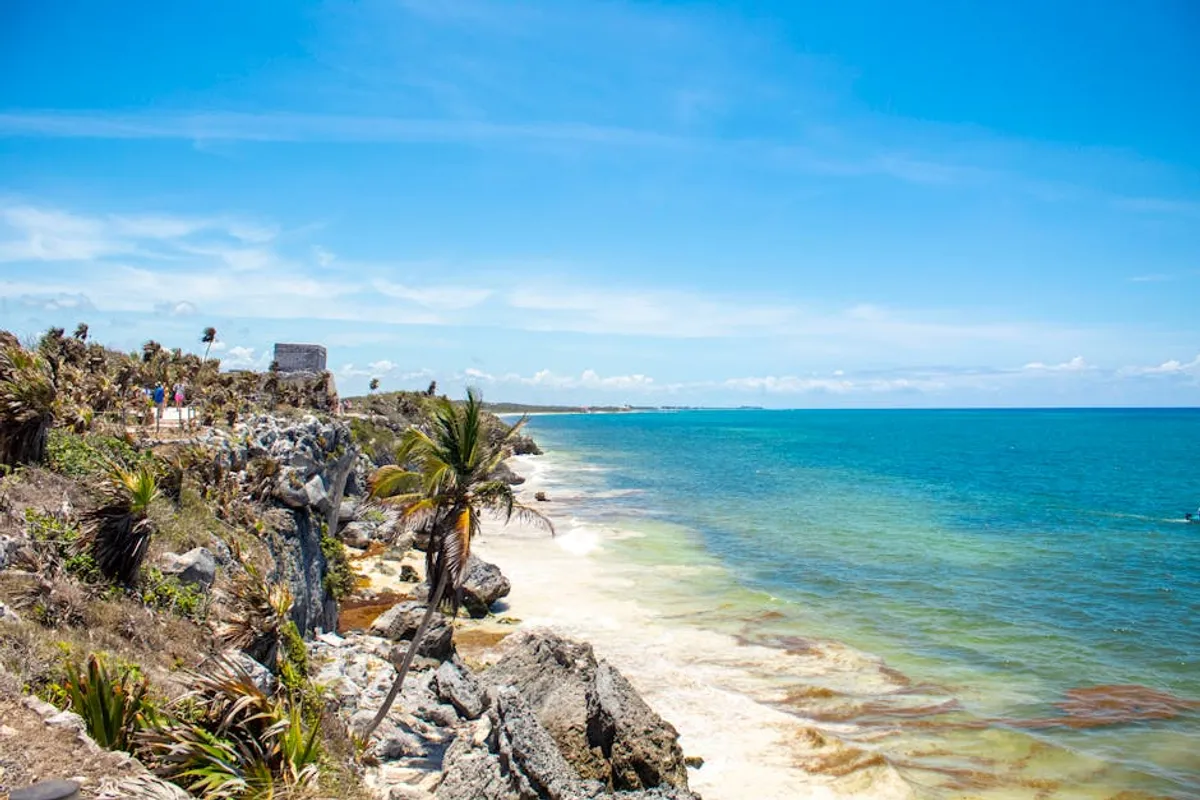
The Tulum Archaeological Zone stands as the only known Mayan city built directly on the coast. Its cliffside location offers panoramic views of the Caribbean Sea, distinguishing it from inland sites. Key structures include El Castillo, the Temple of the Frescoes, and the Temple of the Descending God. Visitors benefit from early morning arrivals to mitigate crowds and heat, maximizing the experience of the ruins against the sunrise backdrop. Engaging a certified local guide provides historical context regarding Mayan trade routes, astronomical observations, and daily life within the walled city.
Coba Ruins
Located approximately 45 minutes inland from Tulum, the Coba Archaeological Site offers a contrasting experience. Set within a dense jungle, Coba features a network of sacbes (ancient Mayan roads) connecting various structures. The Nohoch Mul pyramid, one of the tallest Mayan structures in the Yucatán Peninsula, was historically climbable, offering expansive jungle views. While current access policies may vary, the site’s scale and jungle environment provide a sense of discovery distinct from Tulum’s coastal ruins. Bicycle rentals are available on-site for navigating the extensive grounds efficiently.
Cenote Adventures
The Yucatán Peninsula is characterized by its cenotes, natural sinkholes formed by the collapse of limestone bedrock, revealing freshwater pools. These geological formations are central to the region’s appeal for swimming, snorkeling, and diving.
Gran Cenote
Gran Cenote is a popular choice known for its clear, cool waters, extensive cave systems, and resident turtles. It features both open-air sections and cavernous areas accessible for snorkeling and free diving. The cenote is equipped with wooden walkways and platforms, facilitating easy entry and exit. Its accessibility and diverse aquatic environment make it suitable for families and first-time cenote visitors.
Dos Ojos Cenote
Meaning "Two Eyes," Dos Ojos is renowned for its two interconnected cenotes that resemble a pair of eyes looking into the underworld. This site is particularly favored by certified cavern and cave divers due to its intricate underwater passages and impressive stalactite and stalagmite formations. Snorkelers can explore the shallower, well-lit sections, observing the unique geological features from the surface.
Cenote Calavera
Cenote Calavera, also known as the "Temple of Doom," offers a more rustic and adventurous experience. Its name derives from three openings in the ground—a large main opening and two smaller ones—which resemble a skull. Entry often involves a jump into the main pool, appealing to those seeking a thrill. The cenote is less developed than others, providing a quieter, more natural setting for swimming and photography, often with fewer crowds.
Beach and Water Activities
Tulum’s coastline is defined by its white sand beaches and turquoise waters, providing a range of options from public access to exclusive beach clubs and ecological reserves.
Public Beaches and Beach Clubs
Public access points, such as Playa Paraiso and Santa Fe, offer wide stretches of sand for relaxation and swimming without the amenities of private establishments. Along the hotel zone, numerous beach clubs provide loungers, food and beverage service, and often music, catering to different preferences for ambiance and service levels. Some require a minimum consumption fee for day use.
Sian Ka'an Biosphere Reserve
South of Tulum, the Sian Ka'an Biosphere Reserve is a UNESCO World Heritage Site dedicated to conservation. This protected area encompasses tropical forests, mangroves, and a section of the Mesoamerican Barrier Reef. Guided tours typically involve boat trips through lagoons and canals, offering opportunities for birdwatching, observing manatees, and snorkeling in pristine waters. Visitors choose Sian Ka'an for its focus on eco-tourism and untouched natural landscapes.
Snorkeling and Diving in Akumal
Akumal, a short drive north of Tulum, is historically known for its bay where sea turtles frequently feed on seagrass. While regulations regarding swimming with turtles have become stricter to protect the wildlife, snorkeling and diving tours in Akumal still offer opportunities to observe marine life in designated areas. Booking with authorized operators ensures adherence to conservation guidelines and access to the best viewing spots.
Culinary Experiences and Nightlife
Tulum’s culinary scene has evolved to include both traditional Mexican flavors and international influences, complemented by a distinctive nightlife.
Local Eateries and Street Food
For authentic flavors, exploring establishments in Tulum Pueblo (downtown) is recommended. Taquerias, family-run restaurants, and street food vendors offer regional specialties such as cochinita pibil, panuchos, and fresh ceviche at accessible price points. These venues provide a genuine taste of Yucatecan cuisine and local culture.
Upscale Dining and Beachfront Restaurants
The hotel zone features a concentration of upscale restaurants, many offering farm-to-table concepts, fusion cuisine, and sophisticated ambiance. These establishments often emphasize locally sourced ingredients and unique presentation, with some providing beachfront seating for a distinct dining experience. Reservations are often necessary, especially during peak season.
Tulum's Nightlife Scene
Tulum’s nightlife is characterized by a blend of relaxed beach bars, jungle parties, and live music venues. Events often feature international DJs and a bohemian atmosphere. Many establishments are open-air, integrating with the natural surroundings. Specific venues host themed nights, and information on current events is typically available through local listings or social media.
Wellness and Relaxation
Tulum has cultivated a reputation as a global hub for wellness and holistic practices.
Yoga and Meditation Retreats
Numerous studios and retreat centers offer daily yoga classes, workshops, and multi-day retreats focusing on various styles, from Vinyasa to restorative practices. The serene jungle and beach settings provide an environment conducive to meditation and mindfulness, attracting individuals seeking personal rejuvenation.
Spa Treatments and Temazcal Ceremonies
A range of spa services, including traditional massages, body wraps, and facials, are available in hotels and dedicated wellness centers. Additionally, Temazcal ceremonies, an ancient Mayan sweat lodge ritual, offer a unique cultural and spiritual cleansing experience guided by a shaman. These ceremonies are often conducted in natural, outdoor settings.
Pro Tip: When planning activities in Tulum, consider booking popular tours and cenote visits for early mornings. This strategy helps avoid peak crowds, provides cooler temperatures for exploration, and enhances the overall experience of these often-photographed locations. Verify entrance fees and operating hours in advance, as these can change seasonally.
Maximizing Your Tulum Experience
Tulum offers a spectrum of activities catering to diverse interests, from historical exploration and natural immersion to culinary adventures and wellness pursuits. Effective planning involves prioritizing activities based on individual preferences and allocating sufficient time for each. Utilizing local transportation options like colectivos for budget-friendly travel between the pueblo and beach zone, or renting a scooter for greater flexibility, can enhance mobility. Engaging with local vendors and guides often provides richer cultural insights and supports the local economy. Balancing popular attractions with quieter, lesser-known spots can create a more nuanced and personal travel experience.
Frequently Asked Questions About Tulum Activities
- What is the best time of year to visit Tulum for activities?
The dry season, from November to April, generally offers the most pleasant weather with less humidity and rain, ideal for outdoor activities and beach days. - Are the cenotes suitable for children?
Many cenotes, particularly those with open areas and shallow sections like Gran Cenote, are suitable for children. Always check specific cenote rules and ensure children are supervised and wear life vests. - Do I need to book tours in advance for popular attractions?
For popular tours like those to Sian Ka'an or specialized diving excursions, booking in advance, especially during peak season, is highly recommended to secure availability and preferred time slots. - Is it safe to explore Tulum's ruins and cenotes independently?
Exploring independently is generally safe, particularly during daylight hours and at well-established sites. However, for more remote cenotes or detailed historical context, a local guide can enhance both safety and understanding.