
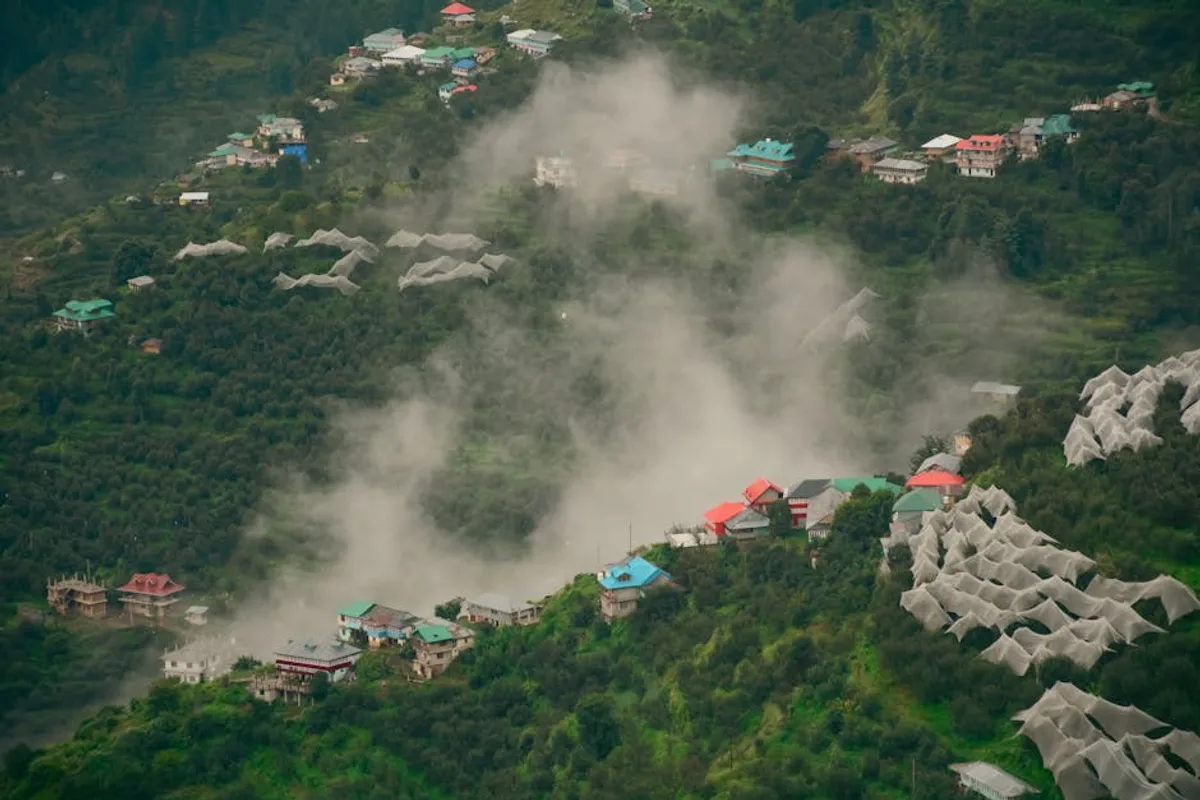
Jibhi, nestled in the Tirthan Valley of Himachal Pradesh, offers a distinct alternative for travelers seeking tranquility and an escape from more commercialized hill stations. This guide outlines Jibhi's core appeal, essential activities, and practical travel considerations, allowing you to determine if it aligns with your preferences for an authentic mountain retreat. The focus here is on informed decision-making, providing the necessary details to plan a visit that matches expectations for natural beauty, local culture, and a relaxed pace.
Understanding Jibhi's Appeal
Jibhi is characterized by its untouched natural landscape and traditional Himachali charm. Located at approximately 5,300 feet, the village is surrounded by dense pine and deodar forests, with the gurgling Tirthan River nearby. Unlike bustling tourist hubs, Jibhi maintains a quiet, rustic atmosphere, making it particularly attractive to those prioritizing peace and a connection with nature. Its appeal lies in its simplicity, offering a glimpse into rural mountain life rather than extensive commercial amenities.
Best for: Travelers seeking quietude, nature immersion, trekking, and an authentic cultural experience away from crowds.
Key Attractions and Activities
While Jibhi is primarily about relaxation, several specific points of interest and activities offer engagement with the local environment and history.
Jibhi Waterfalls
A short, accessible trek from the main village leads to the Jibhi Waterfalls. This multi-tiered cascade is surrounded by lush greenery, providing a serene spot for photography and quiet contemplation. The path is well-maintained, making it suitable for most fitness levels. The falls are a natural focal point, offering a refreshing break and a visual anchor for the village's natural beauty.
Serolsar Lake and Budhi Nagini Temple
A moderate trek from Jalori Pass (approximately 5-6 km one way) leads to Serolsar Lake. This high-altitude lake is revered locally, believed to have medicinal properties. Adjacent to the lake is the Budhi Nagini Temple, dedicated to the serpent goddess. The trek itself offers panoramic views of the surrounding mountains and forests, culminating in a tranquil lakeside experience. The journey is as significant as the destination, providing a tangible sense of achievement and immersion in the landscape.
Pro Tip: The trek to Serolsar Lake is best undertaken during clear weather. Carry sufficient water and snacks, as facilities along the trail are limited.
Chehni Kothi
Located near the village of Chehni, a short drive and subsequent trek from Jibhi, Chehni Kothi is a medieval tower-temple. Standing impressively at over 150 feet, this structure showcases traditional Himachali architecture, built with alternating layers of wood and stone. Historically, it served as a fort and a temple, providing insight into the region's defensive and religious heritage. The climb to the Kothi offers commanding views of the valley, making the effort worthwhile for its cultural and scenic rewards.
Jalori Pass
Situated at an elevation of 10,800 feet, Jalori Pass is a significant mountain pass connecting the Kullu and Shimla districts. It serves as a gateway to several treks, including Serolsar Lake and Raghupur Fort. The drive to Jalori Pass itself is scenic, offering dramatic vistas. During winter, the pass often receives heavy snowfall, leading to temporary closures. Its strategic location makes it a crucial point for accessing higher altitude trails and experiencing the region's rugged topography.
Tirthan River Activities
The Tirthan River, a pristine glacial river, is central to the valley's ecosystem. Activities include riverside walks, bird watching, and trout fishing. Fishing in the Tirthan River requires a permit, which can often be arranged through local guesthouses. The river's clear waters and surrounding forests create an ideal environment for nature observation and peaceful recreation.
Planning Your Trip: Essential Travel Tips
Effective planning ensures a smoother and more enjoyable visit to Jibhi.
Best Time to Visit
- Spring (March to May): Pleasant weather, temperatures ranging from 10°C to 25°C, ideal for trekking and outdoor activities. Rhododendrons bloom during this period.
- Autumn (September to November): Clear skies, comfortable temperatures (5°C to 20°C), and vibrant foliage, offering excellent visibility for mountain views.
- Winter (December to February): Cold, with temperatures dropping below freezing and significant snowfall. While picturesque, many roads, including Jalori Pass, may be closed. Fewer tourist facilities are open.
- Monsoon (July to August): Heavy rainfall can lead to landslides and road blockages, making travel challenging and potentially unsafe. Visibility is also often poor.
Accommodation
Jibhi offers a range of accommodation options, primarily consisting of homestays, guesthouses, and a few eco-lodges. These often provide a more personal experience, with hosts frequently offering local meals. Booking in advance, especially during peak seasons (Spring and Autumn), is advisable due to limited availability.
Getting There
The most common approach to Jibhi involves a combination of air, rail, and road travel:
By Air: The nearest airport is Kullu-Manali Airport (Bhuntar) (KUU), approximately 60 km away. From Bhuntar, taxis are available to Jibhi.
By Rail: The nearest major railway stations are Ambala Cantt (UMB) or Kiratpur Sahib (KPTM). From there, travelers typically take a bus or taxi to Aut, then connect to Jibhi. This is a longer journey.
By Road: Jibhi is accessible by road from major cities like Delhi and Chandigarh. The route typically involves driving or taking a bus to Aut, then turning off for Banjar and Jibhi. HRTC (Himachal Road Transport Corporation) buses operate to Banjar, from where local taxis or buses can be taken to Jibhi. Private taxis are also available directly from Aut.
Local Transport
Within Jibhi and its immediate surroundings, walking is the primary mode of transport for exploring the village and nearby attractions. For longer distances or accessing trailheads like Jalori Pass, local taxis are the most convenient option. Limited local bus services connect Jibhi with Banjar and other larger towns.
Essentials to Pack
Consider the season when packing. Generally, include layered clothing, comfortable walking or trekking shoes, a rain jacket or umbrella, basic first-aid supplies, personal medications, a power bank for electronics (due to potential power outages), and a reusable water bottle.
Responsible Tourism
Jibhi's pristine environment benefits from responsible tourism practices. This includes proper waste disposal (carrying out what you carry in), respecting local customs and traditions, and supporting local businesses and artisans to contribute positively to the community's economy.
Warning: Mobile network connectivity in Jibhi can be intermittent, particularly for certain providers. Jio and BSNL generally offer better coverage, but expect limited or no service in some areas. Plan essential communications accordingly.
Maximizing Your Jibhi Experience
To fully appreciate Jibhi, embrace its slower pace. Engage with local villagers, sample Himachali cuisine, and allow ample time for unhurried walks and nature observation. The value of a Jibhi visit often lies not in a packed itinerary, but in the opportunity to disconnect and immerse oneself in the serene mountain environment. Focus on experiences that foster a connection with the natural surroundings and local culture, rather than seeking extensive commercial entertainment.
Frequently Asked Questions
Is Jibhi suitable for families with children?
Yes, Jibhi is suitable for families, especially those who enjoy nature and outdoor activities. Many homestays are family-friendly, and short treks to the waterfall or riverside walks are manageable for children. The peaceful environment offers a safe and engaging setting.
What are the food options available in Jibhi?
Food options in Jibhi are primarily local Himachali cuisine and basic Indian dishes. Many homestays offer home-cooked meals, providing an authentic taste of the region. There are also a few small cafes and eateries serving simple, fresh food. Expect fresh, locally sourced ingredients.
Do I need to book accommodation in advance for Jibhi?
Booking accommodation in advance is highly recommended, particularly during peak travel seasons (March-May and September-November). Jibhi has a limited number of guesthouses and homestays, and securing your stay beforehand ensures availability and preferred options.
What is the typical duration recommended for a Jibhi trip?
A typical trip duration of 3 to 5 days allows visitors to explore the main attractions, undertake a couple of treks, and experience the village's tranquility without feeling rushed. This timeframe provides a good balance between exploration and relaxation.