For travelers exploring Honduras, understanding the local cuisine is as vital as knowing the currency or key phrases. Honduran food offers a distinct flavor profile, often characterized by fresh ingredients, corn, beans, and seafood, differing significantly from its Central American neighbors. This guide details essential dishes, dining customs, and practical advice to ensure a rich culinary experience, enhancing your journey beyond typical tourist routes and connecting you directly with the country's cultural heart.
Staple Dishes to Seek Out
Honduran cuisine relies on foundational ingredients like corn, beans, rice, and plantains, often prepared with a blend of indigenous, Spanish, and African influences. These dishes are not merely sustenance; they are integral to daily life and celebrations.
Baleadas: The Honduran Classic
Baleadas are arguably Honduras' most iconic dish. They consist of a thick, handmade flour tortilla, folded and filled with refried red beans, crumbled dry cheese (queso seco), and cream (mantequilla). The simplicity allows for customization: add scrambled eggs, avocado, grilled meat (carne asada), or pickled onions.
Best for: A versatile meal, suitable for breakfast, lunch, or a late-night snack. They are widely available from street vendors and small eateries (comedores).
Sopa de Caracol: Coastal Delicacy
Originating from the Caribbean coast, Sopa de Caracol (conch soup) is a rich, flavorful broth made with conch meat, green plantains, yuca, carrots, and sometimes potatoes, simmered in coconut milk and spices. It's a hearty and unique dish, often considered a celebratory meal.
Best for: An authentic taste of the Garifuna culture, especially in coastal cities like La Ceiba or Tela. Expect a thick, creamy texture and a distinct seafood flavor.
Plato Típico: A Full Experience
The "Plato Típico" or "Comida Típica" is not a single dish but a generous platter showcasing various Honduran staples. It typically includes grilled meat (beef or chicken), refried beans, rice, fried plantains (tajadas), a small salad, and sometimes a slice of avocado or a fried egg. It’s a comprehensive introduction to the country’s flavors.
Best for: A substantial meal that provides a broad sampling of traditional Honduran components, ideal for lunch or dinner.
Street Food Essentials
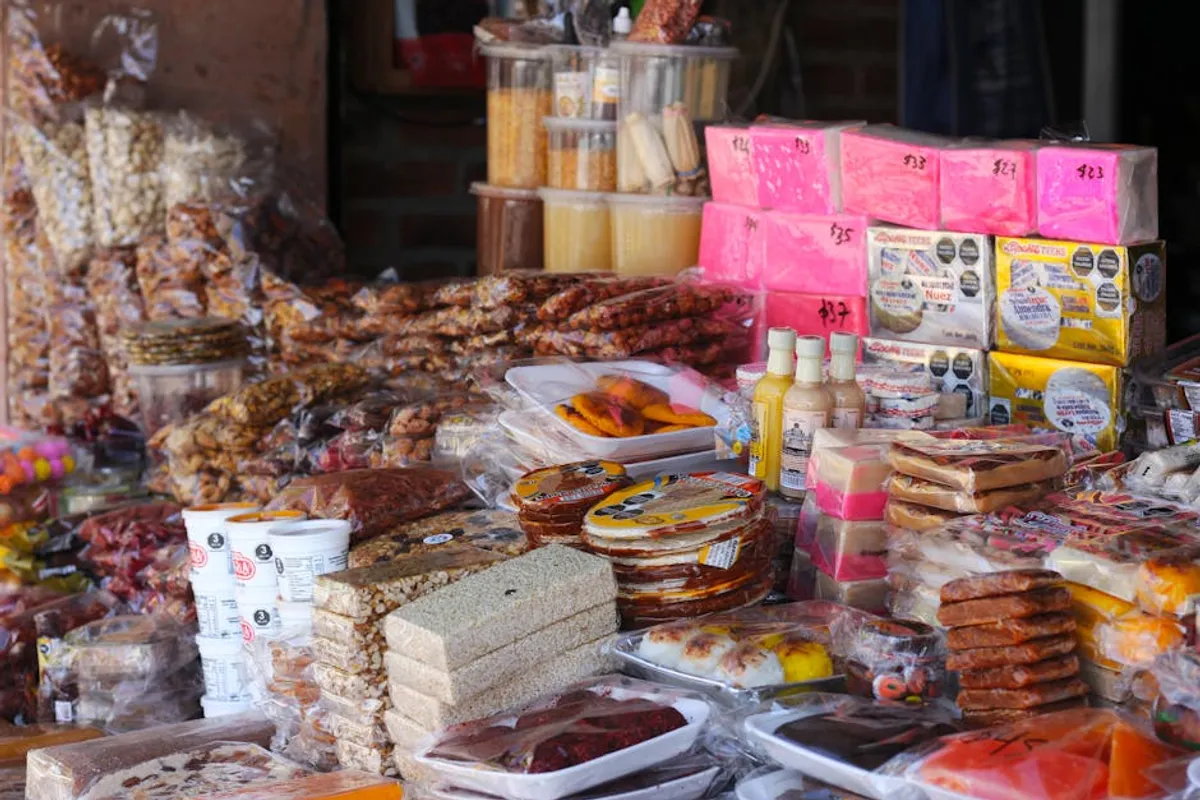
Street food in Honduras offers convenience, affordability, and often the most authentic flavors. It's a direct way to engage with local life and culinary traditions.
- Pastelitos: Small, fried corn masa turnovers filled with seasoned ground meat or potatoes, often served with a cabbage salad and hot sauce.
- Pupusas: While Salvadoran in origin, pupusas are popular in Honduras. They are thick corn tortillas filled with cheese, beans, or chicharrón (pork cracklings), grilled and served with curtido (fermented cabbage slaw) and salsa.
- Elotes Locos: Grilled corn on the cob, slathered with mayonnaise, ketchup, mustard, and sprinkled with cheese. A vibrant and savory snack.
Pro Tip: When trying street food, observe where locals are eating. A busy stall with a high turnover usually indicates fresh ingredients and popular, well-prepared food. Always look for vendors who prepare food fresh and maintain clean surfaces.
Beverages and Desserts
To complement your meals, explore local drinks and sweet treats.
Fresco de Horchata
A refreshing, non-alcoholic drink made from rice, cinnamon, and sometimes nuts, blended with milk and sugar. It's creamy, sweet, and a perfect counterpoint to spicier dishes.
Licuados and Jugos Naturales
Fresh fruit smoothies (licuados) or juices (jugos naturales) are widely available. Common fruits include mango, passion fruit (maracuyá), papaya, and guanabana (soursop). They are often blended with water or milk.
Rosquillas and Torrejas
Rosquillas are ring-shaped corn cookies, often slightly savory or plain, perfect for dipping in coffee. Torrejas are a sweet, bread-based dessert similar to French toast, typically soaked in a cinnamon-infused syrup, especially popular during holidays.
Navigating Dining Etiquette
Dining in Honduras is generally informal, but a few considerations can enhance your experience:
- Table Manners: Eating with your hands is common for many street foods like baleadas. For plated meals, standard cutlery is provided.
- Tipping: Tipping is appreciated but not always expected in smaller, local eateries. In more formal restaurants, a 10-15% tip is customary if a service charge hasn't already been added.
- "Buen Provecho": It's polite to say "Buen Provecho" (enjoy your meal) to others dining around you, even strangers.
Dietary Considerations and Safety
Travelers with dietary restrictions or concerns about food safety should take proactive steps.
- Vegetarian Options: While meat is central to many dishes, baleadas (without meat), rice and beans, and plantains are often available. Clearly communicate your needs using Spanish phrases like "Soy vegetariano/a" (I am vegetarian) or "sin carne" (without meat).
- Water Safety: Always drink bottled or purified water. Avoid tap water and ice made from unpurified water.
- Fresh Produce: Enjoy fresh fruits and vegetables, but ensure they are washed with purified water or peeled before consumption.
Embracing Honduran Flavors
Exploring Honduran cuisine is an immersive cultural activity. Engage with local vendors, ask questions about ingredients, and be open to trying new flavors. Each dish tells a story of the region, its history, and its people. From the simplicity of a baleada to the complexity of a seafood soup, the food offers a direct connection to the country's vibrant identity. Approach dining with an adventurous spirit and a respect for local traditions, and you will unlock a deeper appreciation for Honduras.
Frequently Asked Questions
Is Honduran food generally spicy?
No, Honduran food is typically not very spicy. While hot sauces (salsa picante) are often available on the side, dishes themselves are usually mildly seasoned, relying more on herbs, garlic, and onions for flavor rather than chili heat.
Can I find vegetarian or vegan options easily?
Finding strictly vegan options can be challenging, but vegetarian options are more accessible. Baleadas without meat, rice and beans, fried plantains, and fresh fruit are common staples. It's advisable to learn a few Spanish phrases to communicate your dietary needs clearly.
What are common meal times in Honduras?
Breakfast is typically eaten between 7:00 AM and 9:00 AM. Lunch, often the largest meal of the day, is usually between 12:00 PM and 2:00 PM. Dinner is generally lighter and served later, from 7:00 PM onwards.
Is it safe to eat street food in Honduras?
Eating street food can be safe and delicious if you choose wisely. Look for popular stalls with high customer turnover, ensuring food is cooked fresh and served hot. Observe hygiene practices and avoid foods that have been sitting out for extended periods.