
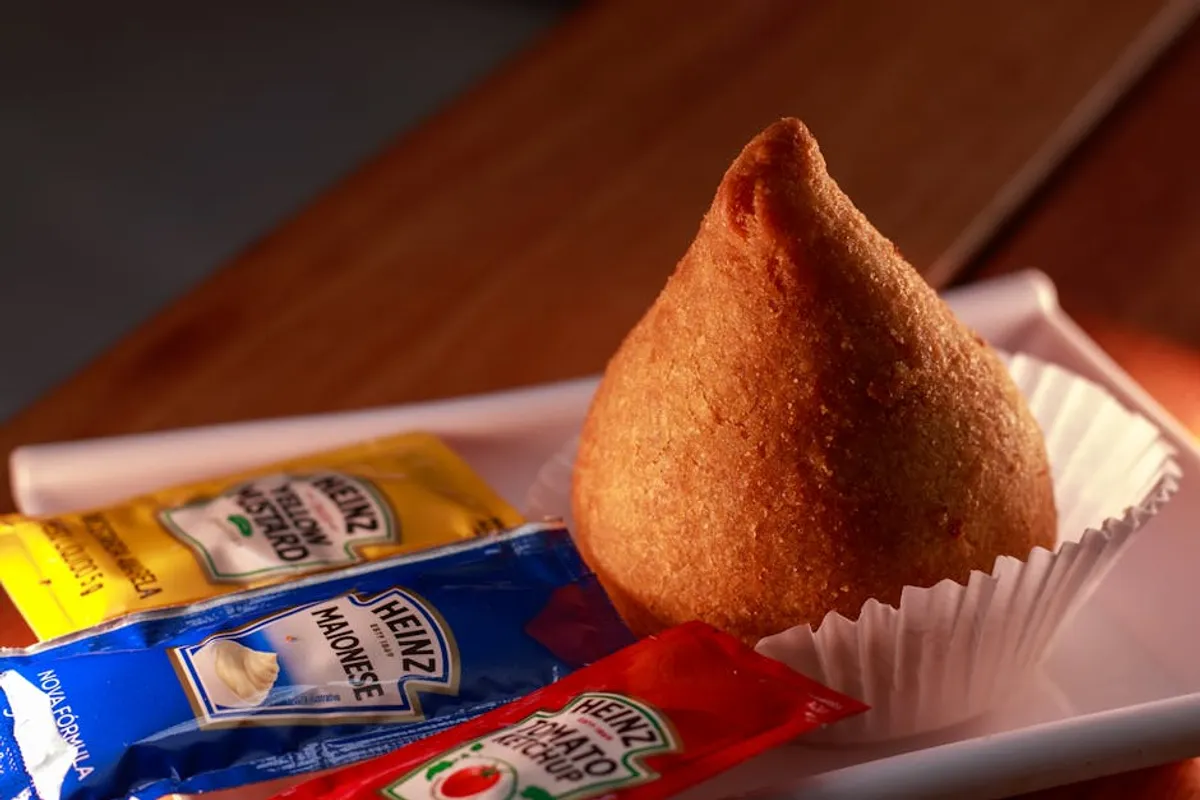
Brazil offers a culinary landscape as vast and varied as its geography, presenting travelers with a spectrum of flavors that reflect its indigenous, African, and European influences. Understanding Brazilian food, along with practical travel insights, enhances any visit, transforming it from a mere trip into a rich, immersive cultural experience. This guide provides a framework for exploring Brazil's gastronomic heart and navigating the country effectively.
Exploring Brazil's Culinary Tapestry
Brazilian cuisine is a mosaic, with each region contributing distinct ingredients and cooking methods. From the hearty stews of the Southeast to the vibrant seafood of the Northeast, the diversity is a key characteristic. Eating locally means engaging directly with the culture and history of each area.
Essential Brazilian Dishes to Sample
Certain dishes form the backbone of Brazilian gastronomy, offering a foundational understanding of its flavors. These are often available nationwide but may feature regional variations.
- Feijoada Completa: A rich, slow-cooked stew of black beans with various cuts of pork and beef, typically served with rice, collard greens, farofa (toasted cassava flour), and orange slices. Traditionally a Saturday lunch, it's a national dish reflecting Portuguese and African influences.
- Churrasco: Brazilian barbecue, where various cuts of meat (picanha, alcatra, costela) are grilled over open flames, often served rodízio style in churrascarias, meaning waiters continuously bring skewers of meat to your table.
- Pão de Queijo: Small, chewy cheese breads made from tapioca flour, making them naturally gluten-free. A ubiquitous snack or breakfast item, available in bakeries and cafes across the country.
- Moqueca: A seafood stew, with two main versions. Moqueca Capixaba (from Espírito Santo) uses olive oil, tomatoes, onions, and annatto. Moqueca Baiana (from Bahia) adds palm oil (dendê) and coconut milk, giving it a richer, orange hue and distinct flavor.
- Acarajé: A specialty from Bahia, these are deep-fried balls of mashed black-eyed peas, often split and filled with vatapá (shrimp and bread paste), caruru (okra stew), and dried shrimp. A street food staple.
- Brigadeiro: A popular, simple dessert made from condensed milk, cocoa powder, and butter, rolled into balls and covered in chocolate sprinkles. Found at every celebration.
Key Beverages and Sweet Treats
Beyond main courses, Brazil offers a range of refreshing drinks and indulgent desserts.
- Caipirinha: Brazil's national cocktail, made with cachaça (sugarcane liquor), sugar, and lime. Variations include passion fruit or strawberry.
- Guaraná: A carbonated soft drink made from the guaraná fruit, offering a unique, slightly berry-like flavor.
- Açaí na Tigela: A thick, frozen purée of açaí palm fruit, often topped with granola, banana, and honey. Popular as a breakfast or post-workout snack, especially in warmer regions.
Engaging with Brazilian Culture: Things to Do
Beyond tasting, immerse yourself in the activities that define the Brazilian experience, many of which are linked to its vibrant culinary scene.
Culinary Exploration and Markets
Visiting local markets offers direct insight into regional ingredients and culinary traditions.
- Mercado Municipal de São Paulo: An iconic market known for its stained-glass windows and vast array of fresh produce, spices, and prepared foods. Try the famous mortadella sandwich or a pastel de bacalhau (cod pastry).
- Ver-o-Peso Market in Belém: Located on the banks of the Guamá River, this Amazonian market is a sensory overload with exotic fruits, herbs, fish, and local remedies. It's a prime spot to experience the unique flavors of the Amazon.
- Food Tours and Cooking Classes: Many cities offer guided food tours that delve into specific neighborhoods or culinary themes. Cooking classes provide hands-on experience with preparing traditional dishes like moqueca or pão de queijo.
Experiencing Local Life
Participate in everyday Brazilian activities to understand the rhythm of life.
- Visit a Churrascaria: Beyond just eating, the experience of a Brazilian churrascaria, with its continuous service and lively atmosphere, is a cultural event.
- Beach Culture: In coastal cities like Rio de Janeiro, beach kiosks serve fresh coconut water, pastéis, and grilled cheese on a stick, reflecting the casual, communal aspect of Brazilian life.
- Samba and Music: Seek out live samba clubs (gafieiras) or choro bars, often serving petiscos (small snacks) alongside drinks, providing a complete cultural evening.
Pro Tip: When exploring street food or local markets, observe where locals eat. High turnover at a stall often indicates freshness and quality. While trying new foods is encouraged, prioritize vendors who maintain visible hygiene standards, especially for raw or lightly cooked items.
Practical Travel Tips for Brazil
Navigating Brazil requires some practical considerations to ensure a smooth and enjoyable trip, from understanding currency to health precautions.
Logistics and Planning
Effective planning addresses key aspects of travel within Brazil.
- Best Time to Visit: Brazil's vastness means climate varies. The dry season (May to September) is generally preferred for most regions, offering pleasant temperatures. For Carnival, plan for late February or early March. The Amazon is best visited during the dry season (June to November) for lower water levels and easier wildlife spotting.
- Currency: The Brazilian Real (BRL) is the official currency. Credit cards are widely accepted in urban areas, but always carry some cash for smaller vendors or remote locations. ATMs are common in cities.
- Language: Portuguese is the official language. While English is spoken in major tourist areas and hotels, learning a few basic Portuguese phrases (e.g., "Olá," "Obrigado/a," "Por favor," "Quanto custa?") significantly enhances interactions.
- Transportation: Domestic flights are efficient for covering long distances between major cities. Long-distance buses are a cost-effective and comfortable alternative, especially for inter-state travel. Within cities, ride-sharing apps and taxis are readily available.
Health and Safety Considerations
Prioritize personal well-being and security during your travels.
- Hydration and Sun Protection: Brazil's tropical climate necessitates constant hydration. Drink bottled water and use high-SPF sunscreen, especially when spending time outdoors.
- Health Precautions: Consult a doctor regarding recommended vaccinations (e.g., Yellow Fever, Hepatitis A/B) before your trip. Mosquito repellent is crucial, particularly in rural or Amazonian regions, due to dengue fever and other mosquito-borne illnesses.
- Personal Safety: Be aware of your surroundings, especially in crowded tourist areas or at night. Avoid displaying expensive electronics or jewelry. Use reputable transportation services and secure your belongings. Keep copies of important documents separate from originals.
Planning Your Brazilian Culinary Journey
Embracing Brazil's culinary landscape and diverse activities requires an open mind and a willingness to explore. From the communal joy of a feijoada to the vibrant energy of a street market, the country offers experiences that engage all senses. By combining gastronomic exploration with practical travel strategies, visitors can craft a memorable journey that delves deep into the heart of Brazilian culture.
Frequently Asked Questions About Brazilian Travel and Food
What are the must-try dishes for a first-time visitor to Brazil?
For a comprehensive introduction, prioritize Feijoada, Churrasco (Brazilian barbecue), Pão de Queijo, and Moqueca. Don't forget to try a Caipirinha and Açaí na Tigela for drinks and snacks.
Is it safe to eat street food in Brazil?
Street food offers authentic flavors, but caution is advisable. Choose vendors with high customer turnover, visible hygiene, and freshly prepared items. Avoid anything that looks like it has been sitting out for too long.
What is the best way to experience local culture through food?
Visit local markets like Mercado Municipal in São Paulo or Ver-o-Peso in Belém. Consider booking a food tour or cooking class, and dine at smaller, family-run restaurants (botecos) away from major tourist hubs.
Do I need to speak Portuguese to travel in Brazil?
While not strictly necessary in major tourist areas where some English is spoken, knowing basic Portuguese phrases significantly enhances your experience. It helps with ordering food, navigating, and interacting with locals, who appreciate the effort.