
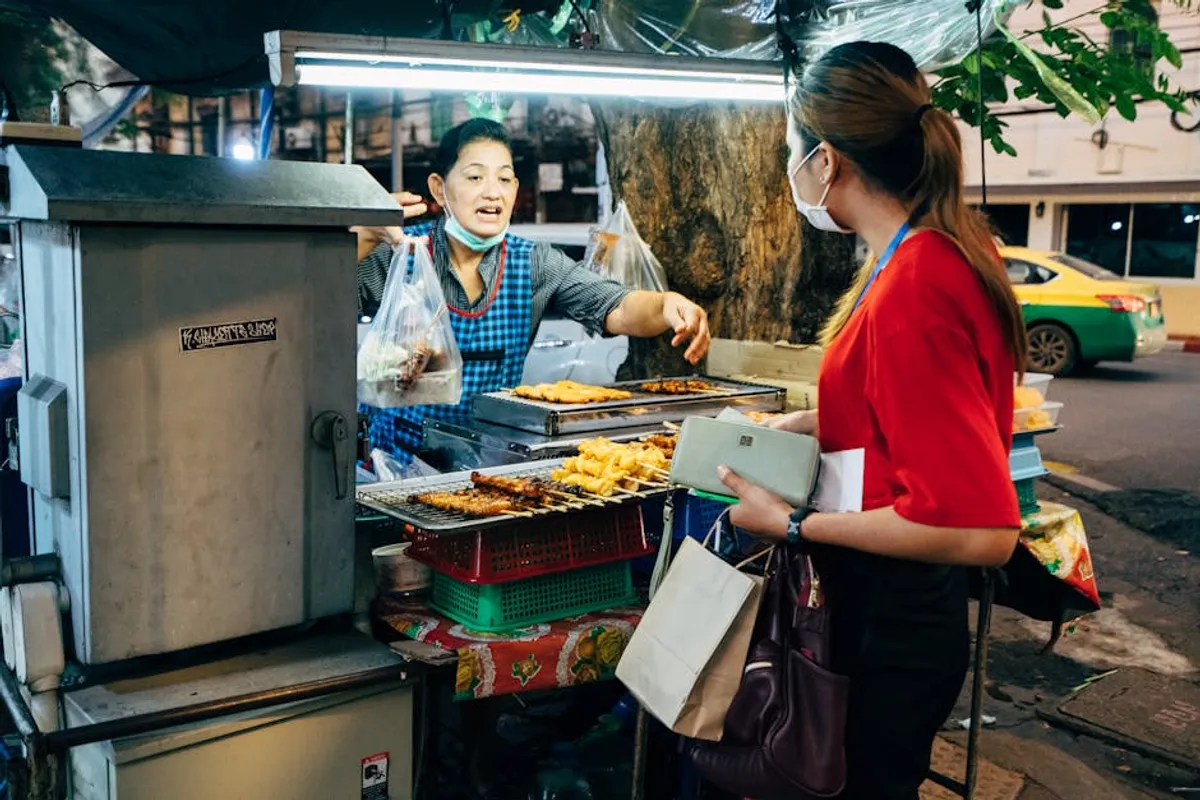
Venturing into a new destination often begins with its culinary landscape. For many travelers, the most authentic and immediate immersion into local culture occurs not in Michelin-starred restaurants, but on bustling street corners, in vibrant markets, and from roadside carts. Street food offers a direct, unvarnished taste of a region’s traditions, ingredients, and everyday life, often at a fraction of the cost of sit-down dining. The decision to embrace street food is a commitment to exploration, flavor, and an unfiltered connection with the place you’re visiting.
This guide highlights essential street food experiences from around the globe, each selected for its cultural significance, distinctive flavors, and widespread appeal among locals and adventurous eaters alike. Understanding these dishes provides a framework for planning culinary itineraries that extend beyond tourist traps, ensuring you encounter the genuine taste of a destination.
What to Look For in Great Street Food
Identifying quality street food involves observing a few key indicators. Prioritize stalls with a steady stream of local patrons; this signals both popularity and consistent quality. Freshness is paramount, so look for vendors who prepare food to order, especially with ingredients like seafood or fresh vegetables. Observe hygiene practices: clean surfaces, proper food handling (e.g., using gloves, separate utensils for raw and cooked items), and adequate cooking temperatures are crucial. A visible cooking process often indicates transparency and confidence in preparation. Finally, seek out regional specialties – the dishes that locals queue for and which define the area's gastronomic identity. These are often the most rewarding finds.
1. Pad Thai (Thailand)
Pad Thai is a stir-fried rice noodle dish that stands as an undisputed icon of Thai street cuisine. It typically combines thin, flat rice noodles with eggs, tofu, shrimp or chicken, bean sprouts, peanuts, and a distinctive sauce made from tamarind paste, fish sauce, palm sugar, and chili. The dish is known for its complex balance of sweet, sour, salty, and spicy flavors, often garnished with fresh lime and chives. It’s a staple found on nearly every street corner and in every night market across Thailand.
Best For: First-time visitors to Thailand, those seeking a balanced, savory-sweet-sour flavor profile, and quick, customizable meals. It serves as an accessible entry point to Thai cuisine.
Pros: Widely available and consistently prepared across various vendors. Highly customizable with additional protein, spice levels, and fresh garnishes. Offers a dynamic and complex flavor experience. Generally inexpensive.
Cons: Can be overly sweet or oily depending on the vendor's preparation style. Peanut allergies are a significant concern due to the common use of crushed peanuts. Often prepared in large woks with shared utensils, which might be a consideration for some.
Verdict: An essential culinary experience for anyone traveling to Thailand, offering a foundational taste of the country’s vibrant street food culture. Its widespread availability makes it an easy dish to seek out and compare among different vendors.
2. Tacos al Pastor (Mexico)
Tacos al Pastor are a quintessential Mexican street food, originating from Lebanese immigrants who brought spit-roasted meat techniques to Mexico. Thinly sliced pork is marinated in a blend of chilies, spices, and achiote, then stacked onto a vertical spit (trompo) and slow-cooked as it rotates. As the outer layers crisp, meat is shaved off directly into small corn tortillas, often topped with pineapple, onion, cilantro, and a squeeze of lime. The combination of savory, spicy pork with the sweet acidity of pineapple creates a distinctive flavor profile.
Best For: Meat lovers, those seeking a fusion of cultural culinary traditions, and travelers looking for an authentic taste of Mexico City's vibrant street food scene.
Pros: Unique cooking method results in tender, flavorful meat with crispy edges. The marinade provides a rich, complex spice blend. Highly satisfying and typically very affordable. Widely available in central and southern Mexico.
Cons: Can be very spicy depending on the marinade and salsa. Availability outside of Mexico, particularly with the authentic trompo preparation, is limited. Pork-based, so not suitable for non-pork eaters.
Verdict: A must-try for its historical fusion and the unparalleled flavor derived from its unique preparation. It represents a significant part of Mexico’s culinary identity, especially in its capital.
3. Banh Mi (Vietnam)
Banh Mi is a Vietnamese sandwich, a culinary legacy of French colonialism. It features a crisp, airy baguette filled with a diverse array of ingredients, typically including various cold cuts (like pork belly, Vietnamese ham, or pâté), grilled meats, or tofu. These are complemented by pickled carrots and daikon, fresh cilantro, cucumber, and a smear of mayonnaise or chili sauce. The contrast of textures—crisp bread, tender fillings, crunchy vegetables—and the blend of savory, tangy, and fresh flavors make it a highly satisfying and portable meal.
Best For: Travelers looking for a quick, complete, and flavorful meal on the go. Ideal for those who appreciate a blend of fresh, pickled, and savory elements within a single dish.
Pros: Highly portable and convenient for travel. Offers a remarkable combination of textures and flavors. Extremely versatile with numerous filling options, catering to different dietary preferences. Generally very inexpensive.
Cons: Can be messy to eat due to the generous fillings and flaky baguette. Quality varies significantly between vendors; some may use less fresh ingredients. Allergy concerns for specific meats or sauces may arise.
Verdict: A perfect example of culinary fusion done right, offering a complex and satisfying meal that is both refreshing and substantial. It is an essential taste of Vietnam’s street food ingenuity.
4. Currywurst (Germany)
Currywurst is a fast-food staple in Germany, particularly popular in Berlin. It consists of steamed, then fried pork sausage (often bratwurst or bockwurst), cut into bite-sized pieces, and generously doused in a distinctive sauce made from tomato paste or ketchup, Worcestershire sauce, and curry powder. It's typically served with a side of French fries or a bread roll. The dish offers a comforting combination of savory sausage, tangy-sweet sauce, and a subtle spice kick from the curry powder.
Best For: Those seeking a hearty, comforting snack or meal, particularly in urban German settings. Ideal for experiencing a unique local fast-food tradition.
Pros: Widely available throughout Germany, especially in major cities. Quick to prepare and serve, making it an efficient street food option. Offers a unique flavor profile distinct from other sausage preparations. Affordable and satisfying.
Cons: Can be heavy and oily due to the fried sausage and rich sauce. The quality of the sausage and sauce can vary significantly between vendors. Not suitable for vegetarians or those avoiding pork.
Verdict: A quintessential German street food experience, offering a simple yet deeply satisfying taste of local culture. It’s more than just a sausage; it’s a cultural touchstone.
5. Arepas (Colombia/Venezuela)
Arepas are a fundamental cornmeal patty, a staple in Colombian and Venezuelan cuisine. Made from ground maize dough, these flat, round patties are grilled, baked, or fried until golden brown and slightly crispy on the outside, soft and fluffy on the inside. They serve as a versatile base for an endless array of fillings, from cheese, ham, and shredded beef or chicken to black beans, avocado, and plantains. The arepa itself has a subtle, earthy corn flavor, acting as a perfect canvas for savory fillings.
Best For: Travelers exploring South American cuisine, those who appreciate customizable meals, and individuals seeking gluten-free options (as they are naturally gluten-free).
Pros: Extremely versatile with a wide variety of filling options to suit different tastes and dietary needs. Naturally gluten-free. Provides a comforting and substantial meal. Widely available in their respective regions.
Cons: Can be quite filling, making it a heavy snack for some. Quality of fillings varies significantly by vendor. Some preparations can be greasy if fried.
Verdict: A foundational South American street food that offers both simplicity and immense versatility. Trying arepas is essential for understanding the culinary heart of Colombia and Venezuela.
6. Jianbing (China)
Jianbing is a popular Chinese savory crepe, a common breakfast and street food item across China. It’s made by spreading a thin batter (often wheat and grain flour) onto a hot griddle, then cracking an egg directly onto it. The crepe is flipped, brushed with various sauces (hoisin, chili), and filled with ingredients like crispy fried wontons (baocui), scallions, cilantro, and sometimes sausage or pickled vegetables. It’s folded into a rectangular parcel, offering a satisfying crunch and a complex flavor profile of savory, spicy, and fresh notes.
Best For: Early risers seeking an authentic Chinese breakfast experience, those who enjoy a combination of textures, and travelers looking for a quick, customizable, and filling morning meal.
Pros: Freshly made to order, ensuring warmth and crispness. Highly customizable with various sauces and fillings. Offers a unique combination of soft crepe, crispy wonton, and fresh herbs. Extremely affordable.
Cons: Can be messy to eat due to the sauces and fillings. Availability is primarily limited to China and Chinese communities abroad. Some fillings might be unfamiliar to Western palates.
Verdict: An essential Chinese street food that provides a delicious and textural breakfast or snack. It's a prime example of culinary efficiency and flavor layering.
7. Samosas (India)
Samosas are a popular fried or baked pastry with a savory filling, ubiquitous across India and much of South Asia. The triangular or cone-shaped pastry is typically filled with spiced potatoes, peas, onions, and sometimes minced meat (keema). The outer crust is crisp and flaky, contrasting with the soft, aromatic filling. They are often served hot with chutneys, such as mint, tamarind, or chili, adding layers of sweet, sour, or spicy notes.
Best For: Those seeking a flavorful and satisfying snack, vegetarians (with potato/pea filling), and travelers looking for an accessible introduction to Indian spices.
Pros: Widely available and consistently popular, making them easy to find. Offers a comforting combination of textures and warm, aromatic spices. Vegetarian options are common and delicious. Highly affordable.
Cons: Can be oily if deep-fried. Quality of filling and freshness varies by vendor. Meat versions may not be universally available. Often served very hot, requiring caution.
Verdict: A quintessential Indian snack that delivers a burst of traditional flavors in a convenient, portable package. Essential for experiencing the everyday culinary rhythm of India.
8. Churros (Spain)
Churros are a fried-dough pastry, a popular sweet treat originating from Spain and Portugal, now enjoyed globally. Made from a simple dough of flour, water, and salt, they are extruded through a star-shaped nozzle, deep-fried until golden and crispy, then often dusted with sugar. In Spain, they are traditionally served with a thick, rich hot chocolate for dipping, especially for breakfast or as an afternoon snack. The contrast between the crisp exterior and soft interior is a key appeal.
Best For: Those with a sweet tooth, travelers seeking a comforting and iconic European dessert, and an ideal accompaniment to coffee or hot chocolate.
Pros: Simple yet satisfying sweet treat. Freshly fried churros offer a delightful crispness. The dipping chocolate provides a rich, indulgent experience. Widely available in Spain and Latin America.
Cons: Can be greasy if not properly drained after frying. Primarily a sweet item, so not suitable for those preferring savory. Quality can vary, with some being overly doughy or stale.
Verdict: An iconic Spanish street food that provides a simple, comforting, and indulgent sweet experience. Dipping them in thick hot chocolate is a non-negotiable part of the experience.
9. Souvlaki (Greece)
Souvlaki is a popular Greek fast food consisting of small pieces of meat (traditionally pork, but also chicken or lamb) grilled on a skewer. It's often served either on the skewer itself or wrapped in a warm pita bread with various accompaniments like tzatziki (yogurt-cucumber-garlic sauce), tomatoes, onions, and sometimes French fries. The meat is typically marinated, giving it a tender texture and savory flavor, complemented by the fresh vegetables and creamy sauce.
Best For: Meat lovers, those seeking a fresh and flavorful Mediterranean meal, and travelers looking for a quick and satisfying lunch or dinner option.
Pros: Freshly grilled meat offers a smoky, tender flavor. The combination with fresh vegetables and tzatziki provides a balanced and refreshing profile. Relatively healthy depending on preparation. Widely available across Greece.
Cons: Quality of meat and freshness of ingredients can vary. Some vendors might use less flavorful marinades. Can be messy to eat if wrapped in pita.
Verdict: A staple of Greek street food, offering a delicious and relatively healthy option that perfectly captures the fresh, savory flavors of the Mediterranean.
10. Poutine (Canada)
Poutine is a Canadian dish originating from Quebec, consisting of French fries and cheese curds topped with a rich brown gravy. The key to authentic poutine lies in the freshness of the cheese curds, which should "squeak" when bitten, and the hot gravy, which melts the curds slightly but not completely, creating a textural contrast. It's a hearty, comforting, and indulgent dish that has become a national symbol.
Best For: Those seeking a hearty, comforting, and indulgent meal, especially in colder climates. Ideal for experiencing a unique Canadian culinary tradition.
Pros: Extremely satisfying and filling. Offers a unique combination of textures (crispy fries, squeaky curds, smooth gravy). Widely available across Canada, with many regional variations. Affordable comfort food.
Cons: Very high in calories and fat, making it an occasional treat for most. Quality heavily depends on fresh cheese curds and good gravy, which can vary. Not suitable for vegetarians unless a specific vegetarian gravy is used.
Verdict: An iconic Canadian comfort food that delivers a unique textural and flavor experience. Essential for understanding the casual, hearty side of Canadian cuisine.
11. Kebab/Doner (Turkey/Europe)
Kebab, particularly the Doner Kebab, is a widely popular street food originating from Turkey and now a staple across Europe. It features seasoned meat (lamb, beef, chicken, or a mix) cooked on a vertical rotisserie. Thin shavings of the cooked meat are then served in a pita, flatbread, or wrap, often accompanied by fresh salad (lettuce, tomato, onion, cabbage) and a variety of sauces (yogurt-garlic, chili, herb). The slow roasting imparts a distinct savory flavor and tender texture to the meat.
Best For: Meat lovers, individuals seeking a substantial and customizable meal, and those looking for a widely available and satisfying late-night snack in many European cities.
Pros: Widely available and culturally integrated across many European cities. Highly customizable with choice of meat, vegetables, and sauces. Offers a hearty and flavorful meal. Generally affordable.
Cons: Quality of meat and hygiene standards can vary significantly between vendors. Can be greasy and heavy. Not suitable for vegetarians unless a specific falafel or halloumi option is available.
Verdict: A global street food phenomenon that offers a convenient, flavorful, and filling meal. It’s a testament to Turkish culinary influence and adaptability.
12. Arancini (Italy)
Arancini are fried rice balls, a classic street food from Sicily, Italy. They typically consist of a core of risotto rice, often flavored with saffron, which is then filled with various ingredients such as ragù (meat sauce), mozzarella, peas, or ham. The rice ball is breaded and deep-fried until golden brown and crispy. The result is a warm, savory, and satisfying snack or light meal, offering a delightful contrast between the crunchy exterior and the soft, flavorful interior.
Best For: Those seeking a hearty, savory Italian snack, travelers exploring Sicilian cuisine, and individuals looking for a comforting, portable meal.
Pros: Offers a rich, comforting flavor profile. Provides a satisfying combination of textures (crispy exterior, soft interior). Highly portable and convenient. Various filling options cater to different tastes.
Cons: Can be quite heavy and oily due to deep-frying. Availability is primarily limited to Italy, especially Sicily. Quality of fillings and freshness can vary by vendor.
Verdict: A delicious and substantial Italian street food that showcases the ingenuity of Sicilian cuisine. It's a must-try for a true taste of Italian comfort food on the go.
Choosing Your Next Culinary Adventure
Selecting which street foods to try involves a blend of research and on-the-ground observation. Before traveling, consult local food blogs, reputable travel guides, and social media for highly-rated street food vendors and specific dishes. Once at your destination, prioritize stalls with visible queues of locals, as this is a strong indicator of quality and freshness. Don't hesitate to ask hotel staff or tour guides for their personal recommendations. Be adventurous with new flavors, but also trust your instincts regarding hygiene. Starting with well-known, foundational dishes can build confidence, allowing you to gradually explore more unique or regional specialties. Engaging with vendors, even with a language barrier, can enhance the experience, often leading to insights about ingredients or preparation methods.
Frequently Asked Questions
Is street food safe to eat?
Street food can be very safe if you follow a few guidelines. Look for stalls with high customer turnover, ensuring ingredients are fresh and not sitting out for long. Observe hygiene practices: vendors wearing gloves, using clean utensils, and cooking food to order at high temperatures are good signs. Avoid raw or undercooked items, and opt for bottled water or drinks.
How do I find the best street food?
The best street food is often found where locals eat. Seek out busy stalls in markets, near transport hubs, or in popular evening areas. Online reviews, local food blogs, and recommendations from hotel staff or taxi drivers can also point you to highly-regarded vendors. Food tours can be an excellent way to safely sample a variety of dishes with expert guidance.
What if I have dietary restrictions or allergies?
Navigating dietary restrictions requires preparation. Learn key phrases in the local language for common allergies (e.g., "no peanuts," "vegetarian"). Observe ingredients being used, and if in doubt, choose simpler dishes where components are easily identifiable. Opting for freshly prepared items can also help, as you can often see the ingredients being added.
How much does street food typically cost?
Street food is generally very affordable, often significantly cheaper than restaurant meals. Prices vary widely by country and dish, but you can typically expect to pay anywhere from $1 to $10 for a satisfying portion. This affordability makes it an excellent way to sample a wide array of local flavors without a large budget.