
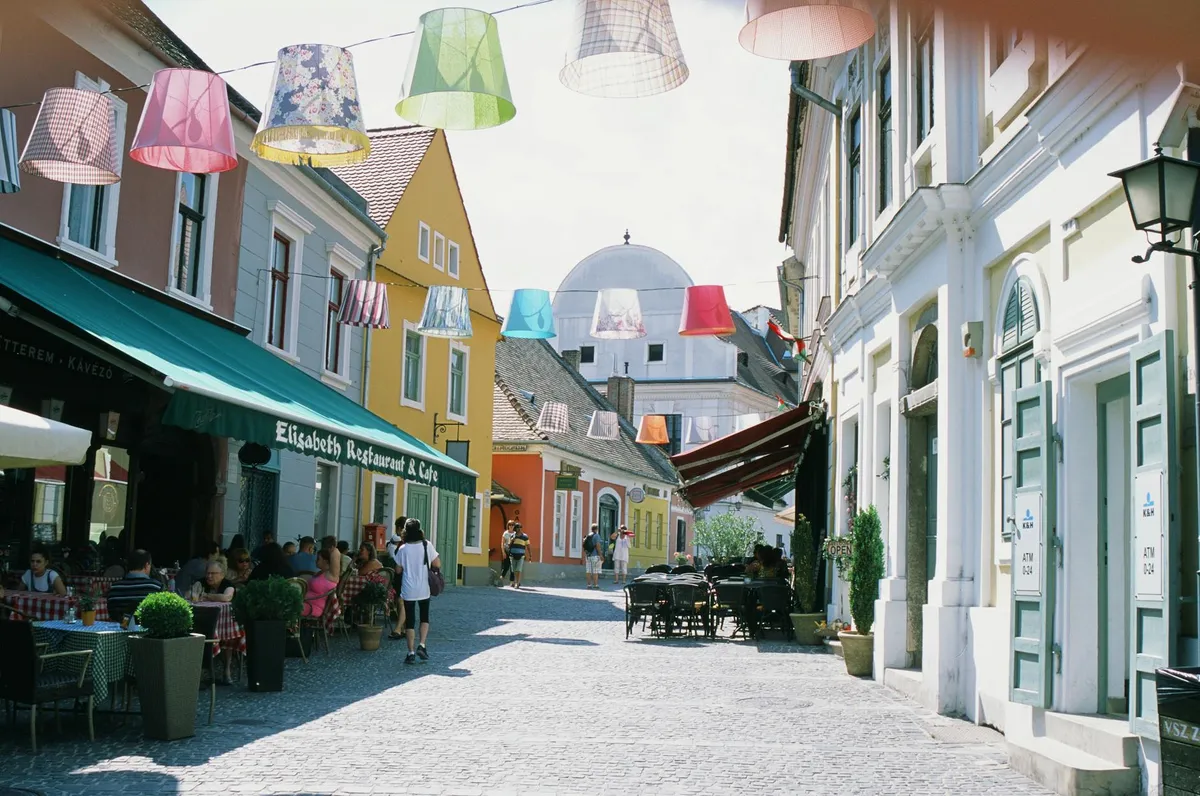
I had been traveling fast for years. The typical itinerary: 3 days in this city, 4 days in another, train to the next one, repeat. A 30-day trip would hit 8-12 cities. Lots of photos. Many "stamps." Surprisingly little actual experience of any of the places.
For 30 days I tried the opposite. One city. Slow. Tracked everything. Here is what changed.
The setup
Rules:
- 30 days in one city (chose Lisbon)
- Apartment rental, not hotel
- No "must-see" itinerary; let interests develop
- Track: places visited, locals interacted with, costs, mood, energy
Comparison baseline: typical 30-day fast trip in past, hitting 8-10 cities.
Week 1: tourist mode (still)
The first week I behaved like a fast traveler in a slow trip. Hit the famous things. Took the photos. Walked the famous neighborhoods.
I had crossed off most of the "must-do" Lisbon list by day 5. Then I had the slightly disorienting realization that I had 3 weeks left and no agenda.
Week 2: drifting
By the second week, I started settling into something like a routine. Same cafe most mornings. Specific neighborhood I liked walking through in the evening. Started recognizing the same people in the cafe and at the local market.
I went to the same museum twice. Hated this notion when I was a fast traveler — why see something twice when there are 50 other museums? Discovered that the second visit was completely different from the first. I noticed things I had missed. Spent more time with specific pieces.
Weeks 3-4: actual presence
The second half of the trip was where the experiment justified itself. By week 3 I was no longer experiencing the city as "things to see" but as a place I was temporarily living in.
What that meant practically:
- Daily routines that involved real choices, not itineraries
- Conversations with shopkeepers and cafe staff that became actual recognition
- Discovery of local Portuguese rhythms (long lunches, late dinners, evening walks)
- Time to actually read books, write, think
- Energy to take longer walks without an agenda
- Slow accumulation of local knowledge that no guidebook contains
What I noticed about my fast-travel style by comparison
The slow trip made the costs of fast travel much more visible.
Fast travel produces shallow experience. 3 days in a city is enough to see the famous things. It is not enough to actually understand the place. You leave with photos, not understanding.
Fast travel is exhausting. The constant logistics — packing, transport, finding new accommodation, learning new transportation — eat substantial energy. By day 25 of fast travel I was running on fumes.
Fast travel produces less actual memory. The cities blur together. The specific moments I remember from past fast trips are surprisingly few given the volume of stops.
Fast travel produces no relationships. 3 days is not enough to talk to the same person twice. The trip is essentially solo regardless of who you travel with.
What slow travel produced
By contrast, the slow Lisbon trip produced:
- Genuine memory of the city as a place rather than a collection of attractions
- Recognition (and being recognized) by local cafe staff and shopkeepers
- One actual friendship with a Portuguese person who became an ongoing contact
- Substantial reading and writing that I would not have done while fast-traveling
- Better physical condition (the constant exercise of walking the city)
- Genuine sense that I had been somewhere rather than just visited it
The cost comparison
Counterintuitively, the slow trip was cheaper than the equivalent fast trip would have been.
Slow trip: 30 days in Lisbon
- Apartment rental: €1,200
- Food (mostly cooking + occasional restaurants): €600
- Local transport: €40 (monthly pass)
- Activities: €200
- Total: €2,040
Equivalent fast trip: 30 days, 8 cities
- Hotels (8 cities x average 3-4 nights): €1,800
- Food (mostly restaurants): €1,200
- Transport between cities: €600
- Local transport at each city: €240
- Activities and admissions: €400
- Total: €4,240
The slow trip was about half the cost of the fast trip would have been. And the experience was substantially deeper.
What I learned about travel itself
1. The "see as much as possible" framing is wrong for actual experience. Volume of cities does not produce volume of experience.
2. Travel exhaustion is a real thing produced primarily by logistics, not actual sightseeing. Slow travel eliminates most of the logistics.
3. Local knowledge develops on a different timeline than tourist information. Days 1-5 produce surface info. Days 15-30 produce real local knowledge.
4. Routine is part of presence. Having a "regular cafe" in a city you are visiting is the difference between visiting and being there.
5. Slow travel costs less, not more. Apartment rentals beat hotels at scale. Cooking beats restaurants. Transport between cities adds up.
What I changed after this experiment
I no longer do fast travel. The default for any trip over 2 weeks is slow travel — one city, apartment, weeks not days.
For shorter trips, I have shifted to fewer cities even on shorter trips. A 10-day trip that used to be 4 cities is now 2. The trade-off has been worth it every time.
The "list of countries visited" thing is less interesting to me than it used to be. The "depth of relationship with specific places" thing is more interesting.
The honest difficulties
Things that were hard:
- The first week, my fast-travel brain wanted to be checking off a list
- Some friends asked "is that all you saw?" when I returned, as if the city count was the point
- The "wasting time" feeling on slow days was uncomfortable initially
- The trip required more advance planning (apartment vs hotel logistics)
This is not advice
Some people genuinely love fast travel. Some people prefer it. The point is not to copy my approach but to consider whether your default travel style is producing the experience you actually want.
Most fast travelers I know have not actually tried slow travel. They assume they would not like it. Some would not. Some would discover it changes their relationship to travel entirely.
The takeaway
The standard fast-travel format produces a particular kind of experience that may or may not match what you actually want from travel. It is also more expensive and exhausting than slow travel for most trips over 2 weeks.
If you have a long trip coming up, consider trying one city for the whole trip. You will know within 10 days whether it works for you. If it does, the way you travel will probably change permanently.